


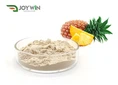


Fructooligosaccharides powder and psyllium husk are two popular dietary supplements that are often used to promote digestive health. While both have been shown to have beneficial effects on the gut, there are key differences between the two that can impact their effectiveness. In this comprehensive comparison, we will explore the benefits, side effects, and mechanisms of action of fructooligosaccharides and psyllium husk in improving digestive health. Whether you are looking to alleviate digestive issues or simply maintain a healthy gut, this article will provide you with the information you need to make an informed decision.
What are fructooligosaccharides (FOS) and psyllium husk?
Fructooligosaccharides (FOS) are a type of carbohydrate that occurs naturally in plants such as bananas, onions, and garlic. They belong to a group of compounds known as oligosaccharides, which are made up of short chains of fructose molecules. FOS are considered prebiotics because they stimulate the growth and activity of beneficial bacteria in the digestive system, such as bifidobacteria and lactobacilli. They are often added to foods or taken as supplements to support digestive health and overall well-being.
Psyllium husk, on the other hand, is a soluble fiber derived from the seeds of the Plantago ovata plant. It's commonly used as a dietary supplement and is known for its ability to improve digestion and promote regular bowel movements. When mixed with water, psyllium husk forms a gel-like substance that can help soften stool and ease constipation. It's also used to help manage cholesterol levels and improve heart health by lowering LDL cholesterol levels. Understanding the unique properties and mechanisms of action of FOS and psyllium husk is essential in determining which supplement may best suit your digestive health needs.

Which is better for digestive health: FOS or psyllium husk?
When comparing fructooligosaccharides (FOS) and psyllium husk for digestive health, several factors come into play:
● Mechanism of Action:
FOS: FOS act as prebiotics, meaning they support the growth of beneficial gut bacteria. This can enhance overall gut health by promoting a balanced microbiome and improving digestion.
Psyllium Husk: Psyllium husk is a soluble fiber that adds bulk to stool and promotes regular bowel movements. It helps alleviate constipation and maintains bowel regularity.
● Effectiveness in Digestive Issues:
FOS: Particularly beneficial for individuals looking to support gut flora diversity and improve nutrient absorption. It may alleviate symptoms of irritable bowel syndrome (IBS) by modulating ● gut microbiota.
Psyllium Husk: Effective in managing constipation and diarrhea by regulating bowel movements and promoting softer stools. It also aids in managing symptoms of diverticular disease and hemorrhoids.
● Impact on Gut Health:
FOS: Supports a healthier gut environment by selectively feeding beneficial bacteria, which can strengthen immune function and reduce inflammation in the digestive tract.
Psyllium Husk: Contributes to improved overall bowel health and may help reduce the risk of colorectal cancer by keeping the digestive system functioning optimally.
● Additional Health Benefits:
FOS: Beyond digestive benefits, FOS may enhance mineral absorption (e.g., calcium and magnesium) and support immune function through improved gut integrity.
Psyllium Husk: Known for its ability to lower LDL cholesterol levels and improve heart health markers, such as blood pressure and triglycerides.
● Usage Considerations:
FOS: Often included in probiotic supplements or added to food products. It's suitable for those aiming to improve overall gut health and support immune function.
Psyllium Husk: Typically consumed as a dietary supplement or added to foods and beverages. It's favored by individuals looking to manage constipation, improve bowel regularity, or support heart health.
Potential side effects and precautions of Fructooligosaccharides powder and psyllium husk
Potential side effects and precautions are significant considerations when incorporating FOS and psyllium husk into your diet. While FOS can cause bloating and flatulence in some individuals due to its fermentation process in the gut, psyllium husk may lead to gastrointestinal issues like gas or bloating if not consumed with sufficient water. It's crucial to start with small doses and gradually increase intake to allow your body to adjust. Moreover, individuals with specific health conditions, such as irritable bowel syndrome, should consult a healthcare provider before using these supplements. Understanding the potential side effects and taking necessary precautions can help you reap the benefits of FOS and psyllium husk without any adverse effects on your digestive health.
Conclusion: FOS are preferable for those focusing on gut microbiome support and immune enhancement through prebiotic action. Psyllium husk is ideal for individuals needing relief from constipation, regulation of bowel movements, and management of cholesterol levels.Both components offer unique advantages, and incorporating a combination of both into your diet may provide a comprehensive approach to digestive wellness. Consulting with a healthcare provider or a registered dietitian can help tailor a plan that best suits your digestive health goals. Make informed choices based on your specific requirements for optimal digestive well-being.
JOYWIN founded in 2013 is an innovation-driven biotechnology company. We provide the manufacture of plant extracts, plant proteases, and customized products. If you want to know more about Fructooligosaccharides powder or are interested in purchasing it, you can email at contact@joywinworld.com. We will reply as soon as possible after we see the message.