

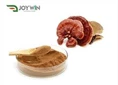
For thousands of years, two natural substances have occupied places of extraordinary reverence in traditional Asian medicine. One is a glossy, lacquered mushroom revered in Chinese culture as the "Herb of Immortality" - Ganoderma lucidum, known as Lingzhi in China and Reishi in Japan. The other is the world's most consumed beverage after water - green tea (Camellia sinensis) - whose concentrated extract has become one of the most commercially successful supplement ingredients on the planet.
Both have now been subjected to rigorous modern scientific investigation. Both have generated hundreds of peer-reviewed clinical and preclinical studies. Both are available as standardized extract powders used by supplement manufacturers, nutraceutical brands, and functional food companies worldwide.
But they are profoundly different in their chemistry, their mechanisms of action, their primary health applications, and their ideal user profiles. Choosing between Ganoderma extract powder and green tea extract - or understanding how to combine them - requires a clear, evidence-based comparison that goes beyond marketing claims.
That is exactly what this guide delivers. Drawing on the latest peer-reviewed research published in indexed journals, we compare these two powerhouse extracts across every dimension that matters: bioactive compounds, mechanisms of action, clinical evidence, dosage, safety, and formulation applications. Let's begin.
Part 1: The Science of Ganoderma Extract Powder - What Makes It Unique
A 2,000-Year Legacy Meets Modern Biochemistry
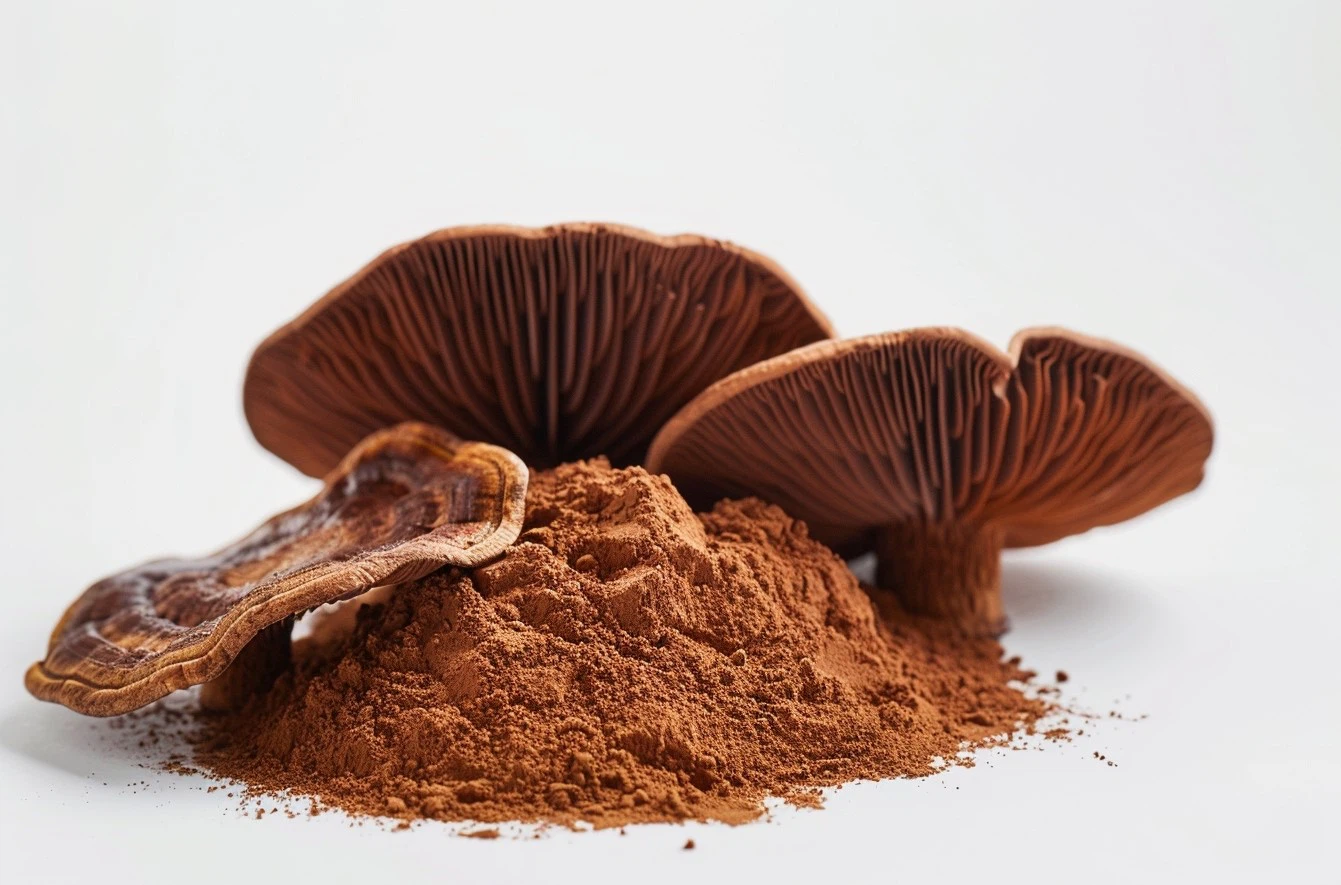
Ganoderma lucidum is a polypore bracket fungus that grows on decaying hardwood trees across Asia, Europe, and North America. Unlike culinary mushrooms, it is woody and bitter - not eaten as food, but consumed as medicine in the form of decoctions, tinctures, and increasingly, standardized Ganoderma extract .
What makes Ganoderma scientifically extraordinary is the sheer diversity and complexity of its bioactive compound profile. A 2023 review published in Foods (PMC10094145) by Ekiz et al. documented Ganoderma's broad medicinal properties spanning metabolic disorders, immune dysfunction, and even antiviral applications.
A comprehensive 2023 review in Antioxidants (PMC10669212) by Cadar et al. systematically catalogued Ganoderma's primary bioactive classes: polysaccharides, triterpenoids, sterols, proteins, nucleotides, fatty acids, vitamins, and minerals - a phytochemical complexity that no single plant extract can match.
The Two Master Compound Classes in Ganoderma Extract Powder
Class 1: Beta-Glucan Polysaccharides (Especially Lentinan & GLP)
Ganoderma polysaccharides - primarily beta-1,3/1,6-glucans - are the most extensively studied immunomodulatory compounds in the entire mushroom kingdom.
Key characteristics:
* Molecular weight: Range from 4,000 to over 1,000,000 Da depending on extraction method
* Water solubility: Highly water-soluble - extracted efficiently with hot water
* Primary activity: Immunomodulation through direct binding to immune cell receptors (Dectin-1, TLR-2, TLR-4, CR3)
* Standardization: High-quality Ganoderma extract is standardized to ≥30% polysaccharides by UV spectrophotometry
* As Cadar et al. (2023) noted: "Ganoderma polysaccharides exhibit significant immunostimulatory activity by activating macrophages, natural killer cells, T-lymphocytes, and B-lymphocytes, making them among the most potent natural immunomodulators known."
Class 2: Triterpenoids (Ganoderic Acids)
Ganoderma triterpenoids - collectively known as ganoderic acids (GA-A through GA-Z and beyond, with over 140 individual compounds identified) - are unique to the Ganoderma genus and represent its most pharmacologically diverse compound class.
Key characteristics:
* Solubility: Alcohol-soluble (ethanol extraction required)
* Molecular structure: Lanostane-type triterpenes with a characteristic 30-carbon skeleton
* Primary activities: Anti-tumor, hepatoprotective, anti-inflammatory, antiviral, cholesterol-lowering
* Standardization: Premium Ganoderma extract is standardized to ≥2% triterpenoids by HPLC
The bitter taste of Ganoderma is entirely due to its triterpenoid content - a useful quality indicator, as bitterness correlates with triterpenoid concentration.
The Full Bioactive Profile of Ganoderma Extract Powder
|
Compound Class |
Key Compounds |
Primary Biological Activity |
|
Polysaccharides |
Beta-1,3/1,6-glucans, GLP |
Immunomodulation, anti-tumor, gut microbiome support |
|
Triterpenoids |
Ganoderic acids A–Z |
Anti-tumor, hepatoprotective, anti-inflammatory, antiviral |
|
Sterols |
Ergosterol, lanosterol |
Anti-inflammatory, cholesterol modulation |
|
Proteins/Peptides |
LZ-8, immunomodulatory proteins |
T-cell regulation, immune activation |
|
Nucleosides |
Adenosine, uridine |
Cardiovascular protection, platelet aggregation inhibition |
|
Polyphenols |
Phenolic acids, flavonoids |
Antioxidant, antimicrobial |
|
Minerals |
Germanium, selenium, zinc |
Trace element support, antioxidant enzyme cofactors |
Part 2: The Science of Green Tea Extract - EGCG and the Catechin Family
From Ancient Beverage to Precision Supplement
Green tea (Camellia sinensis) leaves contain one of the most studied families of plant polyphenols: catechins. When green tea leaves are processed into a standardized extract, the result is a highly concentrated source of these bioactive compounds - particularly epigallocatechin-3-gallate (EGCG), the most abundant and most pharmacologically potent catechin in the green tea plant.
A landmark 2022 review published in the International Journal of Molecular Sciences (PMC9820274) by Mokra, Joskova & Mokry comprehensively documented EGCG's molecular mechanisms: "Thanks to multiple interactions with cell surface receptors, intracellular signaling pathways, and nuclear transcription factors, EGCG possesses a wide variety of anti-inflammatory, antioxidant, antifibrotic, anti-remodelation, and tissue-protective properties."
The Catechin Profile of Green Tea Extract
Green tea extract contains four primary catechins in descending abundance:
|
Catechin |
Abbreviation |
% of Total Catechins |
Key Activity |
|
Epigallocatechin-3-gallate |
EGCG |
~59% |
Master antioxidant, anti-cancer, metabolic |
|
Epigallocatechin |
EGC |
~19% |
Antioxidant, antimicrobial |
|
Epicatechin-3-gallate |
ECG |
~14% |
Antioxidant, anti-inflammatory |
|
Epicatechin |
EC |
~6% |
Cardiovascular, neuroprotective |
EGCG is the undisputed star - accounting for the majority of green tea extract's health benefits and the primary compound used for standardization. High-quality green tea extract powder is standardized to ≥45–98% EGCG by HPLC.
EGCG's Molecular Mechanisms
What makes EGCG so pharmacologically versatile is its ability to interact with an extraordinary range of molecular targets:
* Antioxidant activity: EGCG directly scavenges reactive oxygen species (ROS) and reactive nitrogen species (RNS) through its multiple phenolic hydroxyl groups - with antioxidant capacity exceeding vitamins C and E on a molar basis
* NF-κB inhibition: EGCG blocks the master pro-inflammatory transcription factor NF-κB, reducing production of TNF-α, IL-1β, IL-6, and COX-2
* Nrf2 activation: EGCG activates the Nrf2 antioxidant pathway, upregulating endogenous antioxidant enzymes (SOD, catalase, glutathione peroxidase)
* AMPK activation: EGCG activates AMP-activated protein kinase - the cellular energy sensor - promoting fat oxidation and glucose uptake
* EGFR and VEGFR inhibition: EGCG inhibits growth factor receptors involved in cancer cell proliferation and tumor angiogenesis
Proteasome inhibition: EGCG inhibits the 26S proteasome in cancer cells, triggering apoptosis
Part 3: Head-to-Head Comparison - Ganoderma Extract Powder vs. Green Tea Extract
Now that we understand the chemistry of each extract, let's compare them directly across the health domains that matter most to consumers and formulators.
1. Immune System Support
Winner: Ganoderma Extract - by a significant margin for deep immunomodulation.
Ganoderma: The beta-glucan polysaccharides in Ganoderma extract are among the most potent natural immunomodulators documented in scientific literature. They directly bind to pattern recognition receptors on immune cells (Dectin-1, TLR-2, TLR-4) - activating macrophages, natural killer (NK) cells, dendritic cells, T-lymphocytes, and B-lymphocytes in a coordinated, multi-arm immune response.
Critically, Ganoderma's immunomodulation is bidirectional - it can both stimulate a suppressed immune system AND calm an overactive one (as in autoimmune conditions). This adaptogenic immune regulation is one of Ganoderma's most clinically valuable properties and has no equivalent in green tea extract.
The 2024 study published in Heliyon (PMC10865332) by Ahmad et al. confirmed that "G. lucidum extracts and their bioactive compounds have been used as alternative antioxidants and antimicrobial agents" with significant immune-activating properties.
Green Tea Extract: EGCG supports immune function primarily through its anti-inflammatory and antioxidant mechanisms - reducing oxidative damage to immune cells and modulating cytokine production. However, it does not directly activate immune effector cells in the way Ganoderma polysaccharides do.
Verdict: For immune support - especially in immunocompromised individuals, cancer patients, or those seeking adaptogenic immune regulation - Ganoderma extract is the clear choice.
2. Metabolic Health: Weight Management & Blood Sugar
Winner: Green Tea Extract (EGCG) - with the strongest clinical evidence for metabolic applications.
Green Tea Extract: EGCG's metabolic benefits are among the most extensively documented in clinical research. A 2025 review published in Biomedicines (PMC11762999) by Yan & Cao comprehensively analyzed clinical studies on EGCG for obesity and non-alcoholic fatty liver disease (NAFLD):
* Body weight reduction: Multiple clinical studies demonstrate that EGCG supplementation (300–800 mg/day) produces statistically significant reductions in body weight, BMI, and waist circumference
* Fat oxidation: EGCG increases fat oxidation by activating AMPK and inhibiting catechol-O-methyltransferase (COMT), which breaks down norepinephrine - resulting in prolonged thermogenic signaling
* Blood glucose regulation: EGCG inhibits intestinal glucose transporters (SGLT1, GLUT2), reducing postprandial glucose spikes
* NAFLD improvement: Clinical studies show EGCG reduces liver fat, ALT, AST, and markers of hepatic inflammation in NAFLD patients
Ganoderma: Ganoderma polysaccharides and triterpenoids do support metabolic health - improving insulin sensitivity, reducing blood glucose, and modulating lipid metabolism. The 2023 Foods review (PMC10094145) documented Ganoderma's benefits across metabolic disorders. However, the volume and quality of clinical evidence for metabolic outcomes is substantially stronger for EGCG.
Verdict: For weight management, fat loss, blood sugar control, and NAFLD - Green Tea Extract (EGCG) is the evidence-based choice.
3. Neuroprotection & Cognitive Health
Winner: Green Tea Extract (EGCG) - with strong mechanistic and clinical evidence.
Green Tea Extract: EGCG crosses the blood-brain barrier and exerts direct neuroprotective effects through multiple mechanisms documented in the International Journal of Molecular Sciences review (PMC9820274):
* Inhibits beta-amyloid aggregation (Alzheimer's disease pathology)
* Reduces alpha-synuclein aggregation (Parkinson's disease pathology)
* Activates BDNF (Brain-Derived Neurotrophic Factor) - supporting neuronal survival and synaptic plasticity
* Reduces neuroinflammation through NF-κB and NLRP3 inflammasome inhibition
* Protects dopaminergic neurons from oxidative damage
Ganoderma: Ganoderma triterpenoids and polysaccharides also show neuroprotective properties - reducing neuroinflammation and supporting nerve growth factor (NGF) synthesis. However, EGCG's blood-brain barrier penetration and direct neuronal protective mechanisms give green tea extract a meaningful edge in this domain.
Verdict: For cognitive health and neuroprotection - Green Tea Extract (EGCG) has the stronger direct evidence.
4. Cardiovascular Protection
Winner: Tie - with complementary and distinct mechanisms.
Green Tea Extract: EGCG's cardiovascular benefits are well-established:
* Reduces LDL oxidation (a primary driver of atherosclerosis)
* Improves endothelial function and nitric oxide bioavailability
* Reduces blood pressure in hypertensive individuals
* Lowers total cholesterol and LDL-C in clinical studies
* Reduces platelet aggregation and thrombosis risk
Ganoderma: Ganoderma's cardiovascular benefits operate through different but equally important mechanisms:
* Adenosine content inhibits platelet aggregation
* Triterpenoids inhibit cholesterol synthesis (similar mechanism to statins - HMG-CoA reductase inhibition)
* Polysaccharides reduce triglycerides and improve lipid profiles
* Anti-inflammatory effects protect vascular endothelium
Verdict: Both extracts offer meaningful cardiovascular protection through complementary pathways. Combining them in a cardiovascular support formula provides broader coverage than either alone.
5. Anti-Cancer & Tumor Suppression
Winner: Ganoderma Extract - with the most extensive and specific anti-cancer evidence.
Ganoderma: The Antioxidants review (PMC10669212) by Cadar et al. specifically focused on Ganoderma's anticancer applications, documenting mechanisms including:
* Direct cytotoxicity: Ganoderic acids induce apoptosis in cancer cell lines through mitochondrial pathway activation (cytochrome c release, caspase-3/9 activation)
* Anti-angiogenesis: Ganoderma compounds inhibit VEGF-driven tumor blood vessel formation
Immune-mediated tumor killing: Polysaccharides activate NK cells and cytotoxic T-lymphocytes that target tumor cells
* Cell cycle arrest: Triterpenoids arrest cancer cells in G1 or G2/M phase, preventing proliferation
* Chemotherapy sensitization: Ganoderma extracts sensitize drug-resistant cancer cells to conventional chemotherapy agents
Green Tea Extract: EGCG also has significant anti-cancer properties - inhibiting EGFR, VEGFR, proteasome activity, and inducing apoptosis in multiple cancer cell lines. However, the breadth and depth of clinical and preclinical anti-cancer evidence for Ganoderma - particularly its immune-mediated mechanisms - gives it an edge in this domain.
Verdict: For oncology-adjacent applications and immune-mediated tumor suppression - Ganoderma extract leads. For epithelial cancer prevention through antioxidant and growth factor inhibition - EGCG is highly relevant.
6. Stress Adaptation, Sleep & Fatigue
Winner: Ganoderma Extract - uniquely and decisively.
This is perhaps Ganoderma's most distinctive advantage over green tea extract. Ganoderma lucidum is classified as an adaptogen - a substance that helps the body resist physical, chemical, and biological stressors while normalizing physiological function. Green tea extract has no adaptogenic classification or equivalent mechanism.
Ganoderma's stress and sleep benefits include:
* HPA axis modulation: Reduces cortisol hypersecretion in chronically stressed individuals
* Sleep quality improvement: Clinical studies show Ganoderma extract reduces sleep latency and improves sleep efficiency - particularly relevant for stress-related insomnia
* Fatigue reduction: Multiple clinical trials document significant reductions in fatigue scores in cancer patients and healthy adults with chronic fatigue
* Neurotransmitter modulation: Ganoderma compounds modulate GABA-A receptor activity, contributing to anxiolytic and sleep-promoting effects
Green Tea Extract: Contains caffeine (unless decaffeinated) and L-theanine - which together produce a state of "calm alertness." This is beneficial for focus and cognitive performance but is the opposite of what's needed for stress reduction and sleep support.
Verdict: For stress adaptation, sleep quality, and fatigue reduction - Ganoderma extract is unmatched among natural supplements.
7. Antimicrobial & Antioxidant Activity
Winner: Tie - with different primary targets.
Ganoderma: The 2024 Heliyon study (PMC10865332) by Ahmad et al. specifically investigated Ganoderma's antimicrobial and antioxidant properties, confirming activity against multiple bacterial and fungal pathogens through secondary metabolite production. Ganoderma's antioxidant activity operates through both direct free radical scavenging and indirect upregulation of endogenous antioxidant enzymes.
Green Tea Extract: EGCG is one of the most potent natural antioxidants identified - with a DPPH radical scavenging capacity exceeding most known plant polyphenols. Its antimicrobial activity against H. pylori, S. mutans, and various respiratory pathogens is well-documented.
Verdict: Both are excellent antioxidants through different mechanisms. For antimicrobial breadth - slight edge to EGCG. For systemic antioxidant enzyme upregulation - Ganoderma's polysaccharides provide unique immune-mediated antioxidant support.
Part 4: The Comprehensive Side-by-Side Comparison Table
Here is the definitive at-a-glance comparison for supplement formulators, healthcare practitioners, and informed consumers:
|
Comparison Dimension |
Ganoderma Extract Powder |
Green Tea Extract (EGCG) |
|
Primary bioactives |
Beta-glucan polysaccharides, ganoderic acid triterpenoids |
EGCG, EGC, ECG, EC catechins |
|
Standardization |
≥30% polysaccharides; ≥2% triterpenoids |
≥45–98% EGCG by HPLC |
|
Immune support |
⭐⭐⭐⭐⭐ - Direct NK/T/B cell activation |
⭐⭐⭐ - Anti-inflammatory support |
|
Metabolic / weight |
⭐⭐⭐ - Blood sugar, lipid modulation |
⭐⭐⭐⭐⭐ - AMPK, thermogenesis, NAFLD |
|
Cognitive / neuro |
⭐⭐⭐ - NGF support, neuroinflammation |
⭐⭐⭐⭐⭐ - BBB penetration, amyloid inhibition |
|
Cardiovascular |
⭐⭐⭐⭐ - Cholesterol, platelet, lipids |
⭐⭐⭐⭐ - LDL oxidation, endothelial function |
|
Anti-cancer |
⭐⭐⭐⭐⭐ - Apoptosis, immune-mediated |
⭐⭐⭐⭐ - EGFR inhibition, proteasome |
|
Stress / sleep / fatigue |
⭐⭐⭐⭐⭐ - Adaptogen, HPA modulation |
⭐⭐ - L-theanine calm focus only |
|
Antioxidant |
⭐⭐⭐⭐ - Enzyme upregulation, direct scavenging |
⭐⭐⭐⭐⭐ - Highest direct DPPH scavenging |
|
Antimicrobial |
⭐⭐⭐⭐ - Broad bacterial/fungal |
⭐⭐⭐⭐ - H. pylori, dental, respiratory |
|
Liver protection |
⭐⭐⭐⭐⭐ - Hepatoprotective triterpenoids |
⭐⭐⭐ - NAFLD support; hepatotoxicity risk at high dose |
|
Caffeine content |
None |
Present (unless decaffeinated) |
|
Adaptogenic |
Yes - classified adaptogen |
No |
|
Taste / palatability |
Bitter (triterpenoids) |
Astringent (catechins) |
|
Traditional use |
2,000+ years TCM - "Herb of Immortality" |
3,000+ years Asian medicine |
|
Typical daily dose |
1,000–3,000 mg extract powder |
300–800 mg EGCG |
Part 5: Dosage Guide for Both Extracts
Ganoderma Extract Powder - Evidence-Based Dosing
|
Health Goal |
Daily Dose |
Standardization |
Duration |
|
General immune support |
1,000–1,500 mg/day |
≥30% polysaccharides |
Ongoing |
|
Adaptogenic stress support |
1,500–3,000 mg/day |
≥30% polysaccharides + ≥2% triterpenoids |
8–12 weeks |
|
Sleep quality improvement |
1,000–2,000 mg/day (evening) |
≥30% polysaccharides |
4–8 weeks |
|
Cancer adjunctive support |
3,000–5,000 mg/day |
Full spectrum extract |
Under medical supervision |
|
Liver protection |
1,500–3,000 mg/day |
≥2% triterpenoids |
8–12 weeks |
|
Cardiovascular support |
1,000–2,000 mg/day |
Full spectrum |
Ongoing |
Green Tea Extract (EGCG) - Evidence-Based Dosing
|
Health Goal |
Daily Dose (EGCG) |
Standardization |
Duration |
|
General antioxidant support |
200–400 mg EGCG |
≥45% EGCG |
Ongoing |
|
Weight management |
400–800 mg EGCG |
≥45–50% EGCG |
12+ weeks |
|
NAFLD / liver fat reduction |
300–600 mg EGCG |
≥45% EGCG |
12–24 weeks |
|
Cardiovascular support |
300–500 mg EGCG |
≥45% EGCG |
Ongoing |
|
Neuroprotection |
400–600 mg EGCG |
≥45% EGCG |
Long-term |
|
Anti-cancer adjunctive |
600–800 mg EGCG |
≥50% EGCG |
Under medical supervision |
Part 6: Safety Profiles - What You Need to Know
✅ Ganoderma Extract Powder Safety
Ganoderma extract has an excellent safety record established across centuries of traditional use and decades of modern clinical research:
Doses up to 5,400 mg/day have been used in clinical studies without significant adverse effects
No organ toxicity, mutagenicity, or carcinogenicity has been reported at supplemental doses
The most commonly reported side effects are mild and transient: digestive discomfort, dry mouth, dizziness during the first few days of use
Important contraindications and cautions:
|
Situation |
Guidance |
|
Blood thinners (warfarin, aspirin) |
Adenosine in Ganoderma has antiplatelet effects - monitor INR, consult physician |
|
Immunosuppressant therapy |
Ganoderma's immune-activating effects may counteract immunosuppressants |
|
Pregnancy & breastfeeding |
Insufficient safety data - avoid high-dose supplementation |
|
Pre-surgery |
Discontinue 2 weeks before surgery due to antiplatelet effects |
|
Autoimmune conditions |
Consult physician - immune activation may theoretically exacerbate some conditions |
✅ Green Tea Extract (EGCG) Safety
Green tea extract has a generally good safety profile at moderate doses, but has one important safety consideration that distinguishes it from Ganoderma:
* Doses of 200–800 mg EGCG/day are well-tolerated in most clinical studies
* Hepatotoxicity risk at high doses: The 2025 Biomedicines review (PMC11762999) specifically flagged that "some reports suggest that EGCG may entail some degree of hepatotoxicity" - particularly at doses exceeding 800 mg EGCG/day taken on an empty stomach
* The European Food Safety Authority (EFSA) has issued guidance recommending that EGCG doses from supplements should not exceed 800 mg/day
* Caffeine content: Standard (non-decaffeinated) green tea extract contains caffeine - relevant for caffeine-sensitive individuals, those with anxiety, hypertension, or sleep issues
Key contraindications:
|
Situation |
Guidance |
|
Liver disease |
Use with caution; monitor liver enzymes at doses >400 mg EGCG/day |
|
Iron deficiency anemia |
EGCG chelates non-heme iron - take 2+ hours away from iron supplements or iron-rich meals |
|
Pregnancy |
Caffeine content and high-dose EGCG - avoid supplemental doses above dietary levels |
|
Anxiety / insomnia |
Caffeine content may worsen symptoms - choose decaffeinated extract |
|
Blood pressure medication |
EGCG may potentiate antihypertensive effects - monitor blood pressure |
Part 7: The Power of Combination - When 1 + 1 = 3
One of the most exciting developments in functional supplement formulation is the growing evidence for combining Ganoderma extract powder with green tea extract in a single formula. Because they work through largely non-overlapping mechanisms, their combination produces additive and potentially synergistic effects across multiple health domains:
Why They Work Better Together
|
Health Domain |
Ganoderma Contribution |
Green Tea (EGCG) Contribution |
Combined Benefit |
|
Immune + Anti-cancer |
NK/T-cell activation, apoptosis induction |
EGFR inhibition, proteasome inhibition |
Immune + molecular dual attack on tumors |
|
Cardiovascular |
HMG-CoA inhibition, platelet modulation |
LDL oxidation prevention, endothelial support |
Comprehensive lipid + vascular protection |
|
Antioxidant |
Enzyme upregulation (SOD, catalase) |
Direct radical scavenging |
Both direct and indirect antioxidant defense |
|
Metabolic |
Blood glucose, insulin sensitivity |
AMPK activation, fat oxidation |
Multi-pathway metabolic optimization |
|
Liver protection |
Triterpenoid hepatoprotection |
NAFLD fat reduction |
Structural protection + fat clearance |
|
Stress + Cognition |
Adaptogenic HPA modulation |
L-theanine calm focus |
Stress resilience + cognitive clarity |
This combination rationale explains why Ganoderma + Green Tea Extract blends are increasingly popular in premium immune support, longevity, and adaptogenic supplement formulations.
Part 8: Choosing the Right Extract - A Decision Framework
Choose Ganoderma Extract Powder If You Need:
Primary immune system support - especially for immunocompromised individuals, cancer patients, or those with frequent infections
Adaptogenic stress management - chronic stress, burnout, HPA axis dysregulation
Sleep quality improvement - stress-related insomnia, poor sleep efficiency
Chronic fatigue support - whether from illness, overtraining, or lifestyle
Liver protection - hepatoprotective triterpenoids for liver health maintenance
Caffeine-free formulation - Ganoderma contains zero caffeine
Cancer adjunctive support - under medical supervision
Choose Green Tea Extract (EGCG) If You Need:
Weight management and fat loss - thermogenesis, AMPK activation, metabolic support
Blood sugar and insulin sensitivity - glucose transporter inhibition, postprandial glucose control
Cognitive enhancement and neuroprotection - amyloid inhibition, BDNF support
Cardiovascular risk reduction - LDL oxidation prevention, endothelial function
NAFLD / fatty liver management - hepatic fat reduction, liver enzyme normalization
High-potency antioxidant - maximum direct free radical scavenging capacity
Choose Both (Combination Formula) If You Need:
Comprehensive longevity and anti-aging support
Immune + metabolic dual support
Oncology-adjacent wellness formulation
Adaptogenic + cognitive performance formula
Cardiovascular + liver protection complex
Part 9: Quality Standards for Sourcing Ganoderma Extract Powder
For supplement manufacturers and formulators sourcing Ganoderma extract , quality verification is paramount. The market contains significant variation in quality - from genuine fruiting body extracts with verified polysaccharide content to mycelium-on-grain products with minimal bioactive content.
✅ Quality Checklist for Ganoderma Extract Powder
|
Quality Parameter |
Specification |
Why It Matters |
|
Source material |
Fruiting body (not mycelium on grain) |
Fruiting body contains higher triterpenoid content |
|
Polysaccharide content |
≥30% by UV spectrophotometry |
Primary immunomodulatory compounds |
|
Triterpenoid content |
≥2% by HPLC |
Hepatoprotective and anti-cancer activity |
|
Beta-glucan content |
≥20% (subset of polysaccharides) |
Specific immune receptor activation |
|
Extraction method |
Dual extraction (hot water + ethanol) |
Captures both polysaccharides AND triterpenoids |
|
Heavy metals |
Pb ≤ 2 ppm, As ≤ 1 ppm, Hg ≤ 0.1 ppm |
Safety requirement for mushroom products |
|
Microbial limits |
TPC ≤ 10,000 CFU/g; no pathogens |
Microbiological safety |
|
Pesticide residues |
Below EU/USP limits |
Agricultural safety |
|
Third-party COA |
Independent HPLC + UV verification |
Confirms label claims |
|
Certifications |
cGMP, FSSC 22000, ISO 9001, Kosher, Halal |
Manufacturing and market access standards |
At Joywin Natural, we supply pharmaceutical and food-grade Ganoderma extract standardized to ≥30% polysaccharides and ≥2% triterpenoids, produced from genuine fruiting body material via dual extraction, and certified under cGMP, FSSC 22000, ISO 9001, ISO 14001, ISO 22000, Kosher, and Halal frameworks. Every batch is verified by independent third-party Certificate of Analysis (COA) confirming purity, potency, heavy metal safety, and microbial compliance.
Frequently Asked Questions
Q: Is Ganoderma extract powder the same as reishi mushroom extract? Yes - Ganoderma lucidum is the Latin botanical name for the mushroom known as Reishi in Japan and Lingzhi in China. Ganoderma extract, reishi extract, and Lingzhi extract are all names for the same ingredient. Quality varies significantly by source (fruiting body vs. mycelium) and extraction method.
Q: Which has more antioxidant power - Ganoderma or green tea extract? On a direct free radical scavenging basis, EGCG from green tea extract has higher measured antioxidant capacity (DPPH, ORAC assays). However, Ganoderma extract provides unique indirect antioxidant benefits by activating endogenous antioxidant enzymes (SOD, catalase) and modulating the immune system's oxidative response - making the comparison context-dependent.
Q: Can I take Ganoderma extract and green tea extract together? Yes - they are highly complementary with non-overlapping primary mechanisms. The combination is increasingly used in premium longevity, immune, and adaptogenic formulas. Ensure total EGCG dose stays within the 800 mg/day safety guideline when combining.
Q: Does Ganoderma extract contain caffeine? No. Ganoderma extract is completely caffeine-free - making it suitable for caffeine-sensitive individuals, evening use, and sleep support formulations. Standard green tea extract does contain caffeine unless specifically produced as a decaffeinated extract.
Q: How long does it take for Ganoderma extract to work? Immune activation effects begin within days of consistent supplementation. Sleep quality improvements are typically reported within 2–4 weeks. Adaptogenic stress benefits and more systemic effects generally require 4–8 weeks of consistent use. Anti-cancer and hepatoprotective benefits require longer-term supplementation under clinical supervision.
Conclusion: Two Extraordinary Extracts, Distinct Strengths
The comparison between Ganoderma extract powder and green tea extract is not a competition with a single winner - it is a study in complementarity. These two ancient superfoods have earned their place in modern evidence-based supplementation through fundamentally different but equally impressive scientific profiles.
Ganoderma extract stands alone as an adaptogen, immune modulator, sleep enhancer, stress regulator, and hepatoprotective agent - with a 2,000-year track record and a growing body of rigorous clinical evidence confirming what traditional medicine always knew.
Green tea extract (EGCG) leads in metabolic health, weight management, neuroprotection, and direct antioxidant power - with some of the most robust clinical trial data of any natural supplement ingredient.
For supplement brands, nutraceutical formulators, and health-conscious consumers, the most sophisticated approach is not choosing one over the other - it is understanding each extract's unique strengths and deploying them strategically, whether individually or in thoughtfully designed combination formulas.
For premium-grade Ganoderma extract and green tea extract meeting the highest international quality standards, Joywin Natural is your trusted global supply partner - delivering certified, third-party verified, pharmaceutical-grade botanical extracts to markets worldwide.
JOYWIN founded in 2013 is an innovation-driven biotechnology company. We provide the manufacture of plant extracts, plant proteases, and customized products. If you want to know more about Ganoderma Extract Powder or are interested in purchasing it, you can email at contact@joywinworld.com. We will reply as soon as possible after we see the message.