

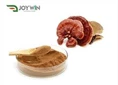
In the ancient pharmacopeias of China, one botanical stood above all others as a symbol of longevity, vitality, and spiritual power. Ganoderma lucidum - known in Chinese as Líng Zhī (灵芝), meaning "herb of spiritual potency" - was so revered that it was reserved exclusively for emperors and the nobility. Paintings, sculptures, and imperial robes from the Han Dynasty (206 BC – 220 AD) featured the distinctive fan-shaped mushroom as a symbol of immortality and divine blessing.
Four thousand years later, the world's most advanced biomedical research institutions are publishing peer-reviewed studies that explain, in molecular detail, exactly why ancient physicians held this mushroom in such extraordinary regard.
Ganoderma Extract Powder - the concentrated, standardized form of Ganoderma lucidum - is today one of the most scientifically studied and commercially significant functional mushroom ingredients in the global dietary supplement industry. Its applications span immune modulation, oncology-supportive care, cardiovascular health, liver protection, sleep quality, anti-aging, and beyond.
But what is Ganoderma extract actually used for? And how does the science stack up against the centuries of traditional use? This guide answers those questions comprehensively - drawing on the latest peer-reviewed research, clinical trial data, and the deep expertise of a manufacturer who works with this ingredient every day.
Let's explore the full story of one of nature's most extraordinary compounds.
1. What Is Ganoderma Extract Powder?
The Mushroom Behind the Extract
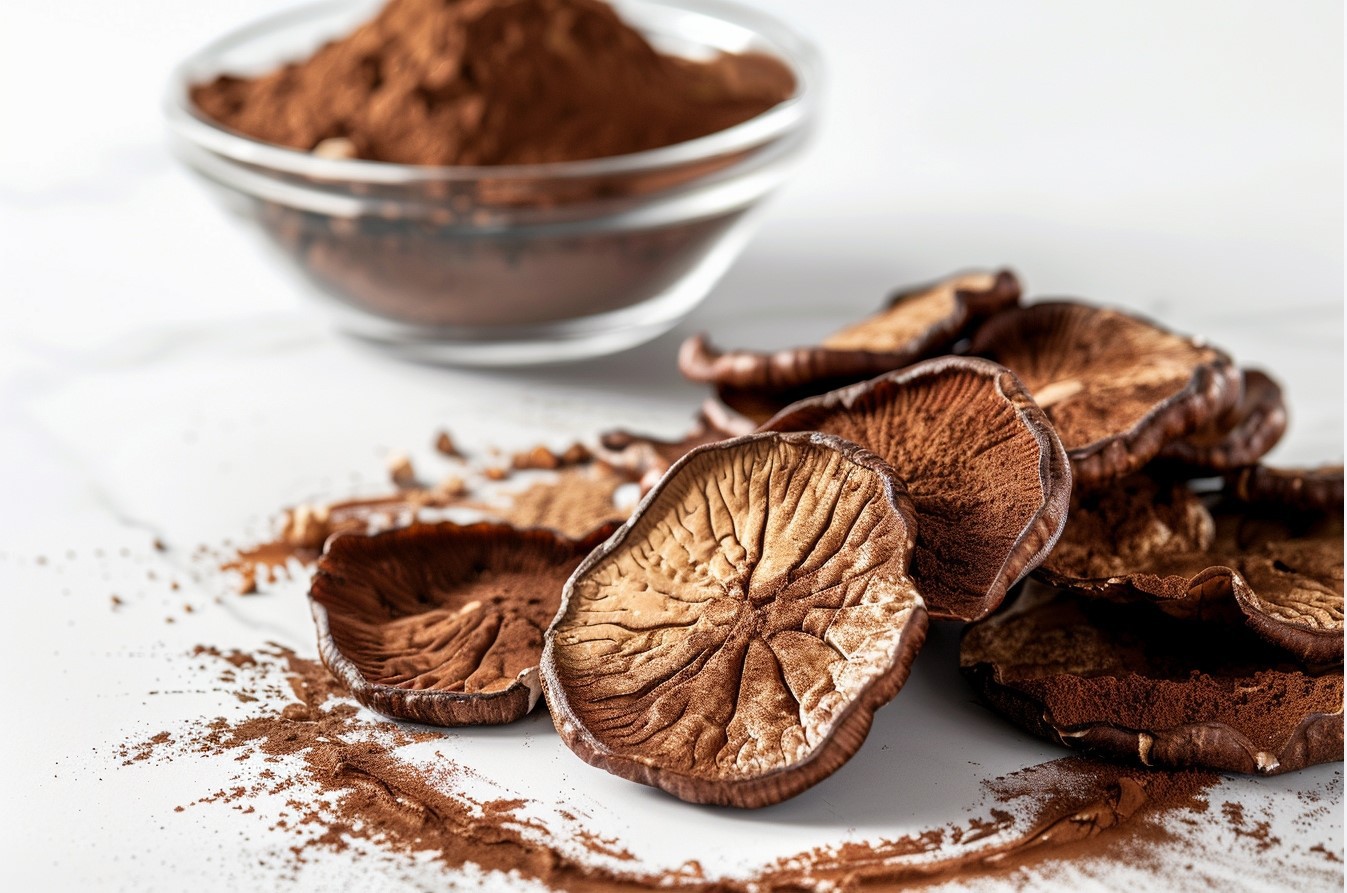
Ganoderma lucidum is a polypore fungus that grows on the base of deciduous trees - particularly oak, maple, and plum - in humid forest environments across Asia, Europe, and North America. It is characterized by its distinctive kidney-shaped, glossy red-brown cap with a woody texture. Unlike most edible mushrooms, Ganoderma is too tough and bitter to eat directly - which is precisely why concentrated extraction is essential to unlock its bioactive potential.
The genus Ganoderma contains over 400 species, but Ganoderma lucidum (and the closely related Ganoderma sinense) are the primary species used in medicinal applications and supplement manufacturing. In Traditional Chinese Medicine, Líng Zhī has been classified as a "superior herb" - one that can be taken continuously without toxicity and that nourishes all five organ systems.
What Is Ganoderma Extract Powder?
Ganoderma Extract is produced by extracting the bioactive compounds from the fruiting body (and sometimes spores) of Ganoderma lucidum using hot water extraction, alcohol extraction, or a dual water/alcohol extraction process. The resulting liquid extract is then concentrated and spray-dried or freeze-dried into a fine, stable powder.
Premium Ganoderma Extract is standardized to specific concentrations of its two primary bioactive classes:
* Polysaccharides (including beta-glucans): typically standardized to 10%–50%
* Triterpenes (ganoderic acids): typically standardized to 1%–6%
This standardization is what separates a pharmaceutical-grade ingredient from a commodity mushroom powder - and it's the foundation of every meaningful health claim associated with ganoderma supplementation.
2. The Bioactive Chemistry: What Makes Ganoderma So Remarkable?
To understand what Ganoderma Extract Powder is used for, you first need to understand what's in it. The therapeutic profile of Ganoderma lucidum is driven by an extraordinarily rich and complex matrix of bioactive compounds - one of the most diverse of any known medicinal mushroom.
Primary Bioactive Classes
|
Compound Class |
Key Components |
Primary Biological Role |
|
Polysaccharides |
β-(1,3)-D-glucan, β-(1,6)-D-glucan, GL-PS |
Immune modulation, anti-tumor, antioxidant |
|
Triterpenes (Ganoderic Acids) |
Ganoderic acid A, B, C, D, H, T, X |
Anti-inflammatory, hepatoprotective, anti-tumor, adaptogenic |
|
Peptidoglycans |
GLPG, Proteoglycans |
Immune activation, antiviral |
|
Sterols |
Ergosterol, Lanosterol |
Anti-inflammatory, Vitamin D precursor |
|
Nucleosides |
Adenosine, Uridine |
Cardiovascular protection, sleep regulation |
|
Proteins & Lectins |
LZ-8 (immunomodulatory protein) |
Immune modulation, anti-allergic |
|
Fatty Acids |
Oleic acid, stearic acid |
Anti-inflammatory, membrane integrity |
|
Minerals |
Germanium, Zinc, Selenium, Copper |
Antioxidant defense, enzymatic function |
The Two Stars: Polysaccharides and Triterpenes
Polysaccharides - particularly the beta-glucans - are responsible for ganoderma's immunomodulatory and anti-tumor effects. They interact with pattern recognition receptors on immune cells (Dectin-1, TLR2, CR3), activating macrophages, NK cells, dendritic cells, and T-lymphocytes in a coordinated immune response.
Triterpenes (ganoderic acids) are the compounds responsible for ganoderma's bitter taste - and its most sophisticated pharmacological effects. Over 140 distinct triterpenes have been identified in Ganoderma lucidum, with activities ranging from anti-inflammatory and hepatoprotective to anti-tumor, antiviral, and adaptogenic. Ganoderic acids inhibit histamine release, reduce inflammatory cytokines, inhibit HMG-CoA reductase (the same enzyme targeted by statin drugs), and demonstrate direct cytotoxic effects against multiple cancer cell lines.
A 2025 comprehensive review published in PMC (National Library of Medicine) confirmed that Ganoderma lucidum "has long been recognized for its purported benefits in promoting physical well-being" and identified its bioactive components as responsible for "a wide spectrum of pharmacological activities including immunomodulatory, antitumor, antioxidant, anti-inflammatory, antidiabetic, and hepatoprotective effects."
3. What Is Ganoderma Extract Used For? The Evidence-Based Applications
Here is where the science meets real-world application. These are the primary, evidence-supported uses of Ganoderma Extract Powder - each backed by peer-reviewed research.
3.1 Immune System Modulation - The Cornerstone Application
Immune modulation is the most extensively researched and most clinically validated application of Ganoderma Extract. Unlike simple immune "boosters" that indiscriminately stimulate immune activity, ganoderma acts as a bidirectional immunomodulator - it can both enhance immune responses when they are suppressed (as in cancer or chronic infection) and calm overactive immune responses (as in autoimmune conditions and allergies).
This bidirectional activity is mediated through the polysaccharide-protein complexes that activate multiple arms of the immune system simultaneously:
* Macrophage activation - enhanced phagocytosis of pathogens and cellular debris
* NK cell stimulation - increased natural killer cell activity against virus-infected and tumor cells
* T-lymphocyte proliferation - enhanced adaptive immune response
* Dendritic cell maturation - improved antigen presentation and immune surveillance
* Cytokine regulation - balanced production of IL-2, IL-6, IFN-γ, and TNF-α
A 2025 nutritional significance study published in PMC found that Ganoderma lucidum supplementation produced measurable improvements in immune biomarkers including glutathione peroxidase - a critical antioxidant enzyme that protects immune cells from oxidative damage - alongside reductions in inflammatory markers.
For supplement formulators: Ganoderma Extract is the anchor ingredient in premium immune support formulas, particularly in combination with other functional mushrooms (maitake, shiitake, turkey tail) for a comprehensive mushroom immune blend.
3.2 Cancer-Supportive and Oncology-Adjacent Applications
This is perhaps the most clinically significant - and most carefully nuanced - application of Ganoderma Extract. A growing body of peer-reviewed research supports its use as an adjunctive support ingredient in oncology settings, working alongside conventional cancer treatments rather than replacing them.
A 2024 clinical evidence review published in Integrative Cancer Therapies (SAGE Journals) - one of the most comprehensive recent analyses of ganoderma in oncology - confirmed that:
* Preclinical studies confirm anti-tumor effects through multiple mechanisms: reduced cancer cell motility, inhibition of tumor angiogenesis, induction of apoptosis (programmed cancer cell death), and enhancement of NK cell anti-tumor activity
* Ganoderma polysaccharides reduce cancer cell motility - a key mechanism in preventing metastasis
* Clinical evidence supports ganoderma's role in improving quality of life in cancer patients undergoing chemotherapy and radiation
* Ganoderma may help reduce chemotherapy-induced immunosuppression, helping patients maintain immune function during treatment
* The review concluded that ganoderma represents a "promising complementary approach" in integrative oncology
The specific anti-tumor mechanisms of ganoderic acids include:
* Direct cytotoxicity against breast, prostate, colon, lung, and hepatocellular carcinoma cell lines
* Inhibition of NF-κB signaling - a master regulator of tumor survival and inflammation
* Activation of caspase-mediated apoptosis - triggering cancer cell self-destruction
* Anti-angiogenic effects - inhibiting the formation of new blood vessels that feed tumors
Important context for formulators and consumers: These findings support the use of Ganoderma Extract Powder in immune support and wellness formulations for cancer patients as a complementary approach. Ganoderma is not approved as a cancer treatment and should never be positioned as a replacement for conventional oncology care. Always work with qualified regulatory counsel on label claim language.
3.3 Liver Protection and Hepatoprotective Effects
Ganoderma lucidum has been used in Traditional Chinese Medicine specifically for liver health for over two millennia - and modern pharmacology has identified the precise mechanisms that justify this traditional use.
The triterpenes in ganoderma - particularly ganoderic acids A, B, C, and H - are potent hepatoprotective agents. They protect liver cells (hepatocytes) from damage through multiple pathways:
* Antioxidant protection - scavenging free radicals that damage hepatocyte membranes
* Anti-inflammatory action - reducing liver inflammation driven by NF-κB and COX-2 pathways
* Inhibition of hepatic stellate cell activation - slowing the progression of liver fibrosis
* Enhancement of hepatic detoxification enzymes - supporting Phase I and Phase II liver detoxification
* Anti-viral activity - ganoderic acids have demonstrated activity against hepatitis B virus replication
Clinical research has shown that ganoderma supplementation can reduce elevated liver enzymes (ALT and AST) - key markers of liver cell damage - in individuals with non-alcoholic fatty liver disease (NAFLD) and drug-induced liver injury.
The 2025 nutritional significance review published in PMC specifically noted that Ganoderma lucidum supplementation "significantly reduced creatinine" levels - a marker of kidney and metabolic function - alongside improvements in other metabolic parameters, suggesting broad organ-protective effects beyond the liver alone.
3.4 Cardiovascular Health and Lipid Management
Ganoderma's cardiovascular benefits operate through several well-characterized mechanisms, making Ganoderma Extract a compelling ingredient for heart health formulations.
Cholesterol and Lipid Management: Ganoderic acids are potent inhibitors of HMG-CoA reductase - the same enzyme targeted by statin drugs like atorvastatin and simvastatin. By inhibiting this enzyme, ganoderma reduces the liver's synthesis of cholesterol, lowering total cholesterol and LDL levels. Clinical studies have shown meaningful reductions in total cholesterol and triglycerides with regular ganoderma supplementation.
Blood Pressure: Adenosine - a nucleoside found in significant concentrations in Ganoderma lucidum - has vasodilatory effects that can help reduce blood pressure. Ganoderma's anti-inflammatory effects also reduce arterial inflammation, a key driver of hypertension and atherosclerosis.
Platelet Aggregation: Ganoderma triterpenes inhibit platelet aggregation - reducing the risk of blood clot formation that underlies heart attacks and strokes. This anticoagulant effect is one reason ganoderma users on blood-thinning medications need to exercise caution.
The 2025 PMC Nutritional Significance Study specifically found that Ganoderma lucidum supplementation "significantly reduced body mass index and heart rate" - two important cardiovascular risk markers - in a clinical trial setting.
3.5 Sleep Quality and Stress Reduction - The Adaptogenic Effect
One of the most practically significant and consumer-relevant applications of Ganoderma Extract Powder is its well-documented effect on sleep quality and stress resilience - an area of enormous and growing market demand.
Ganoderma lucidum is classified as an adaptogen - a compound that helps the body adapt to physical and psychological stress by modulating the hypothalamic-pituitary-adrenal (HPA) axis. Specifically:
* Reduces cortisol dysregulation - helping normalize the stress hormone response
* Promotes GABAergic activity - ganoderma compounds interact with GABA receptors, promoting relaxation and sleep onset
* Adenosine-mediated sleep promotion - adenosine is a natural sleep-promoting molecule that accumulates during wakefulness
* Reduces anxiety and nervous tension - through anti-inflammatory effects on neuroinflammation
A clinical study cited in Healthline (2024) found that participants with neurasthenia (a condition characterized by fatigue and sleep disturbance) who took ganoderma extract for 8 weeks reported significant improvements in fatigue, sleep quality, and overall well-being compared to placebo.
This makes Ganoderma Extract a natural fit for the booming sleep health supplement category - one of the fastest-growing segments in the global nutraceutical market, driven by widespread sleep deprivation and stress-related insomnia.
3.6 Blood Sugar Regulation and Metabolic Support
Multiple studies have demonstrated that Ganoderma lucidum polysaccharides can lower blood glucose levels and improve insulin sensitivity - making Ganoderma Extract a valuable co-ingredient in metabolic health formulations.
The mechanisms include:
* Inhibition of alpha-glucosidase - reducing the rate of carbohydrate digestion and postprandial glucose spikes
* AMPK activation - the same master metabolic switch activated by berberine and metformin
* Improved insulin receptor sensitivity - enhancing cellular glucose uptake
* Pancreatic beta-cell protection - antioxidant protection of insulin-producing cells
The 2025 PMC nutritional significance review confirmed that Ganoderma lucidum supplementation produced measurable improvements in metabolic parameters including BMI reduction - consistent with its blood sugar and lipid-modulating effects.
3.7 Antioxidant and Anti-Aging Effects
Oxidative stress - the accumulation of free radical damage to cells, proteins, and DNA - is the central molecular driver of aging and age-related disease. Ganoderma lucidum is one of the richest known sources of natural antioxidants, with multiple compound classes contributing to its free radical-scavenging capacity.
The 2025 PMC comprehensive review confirmed that Ganoderma lucidum bioactives demonstrate "potent antioxidant" activity through:
* Direct free radical scavenging - polysaccharides and triterpenes neutralize reactive oxygen species (ROS)
* Upregulation of endogenous antioxidant enzymes - SOD, catalase, and glutathione peroxidase
* Protection of mitochondrial function - reducing oxidative damage to the cell's energy-producing organelles
* DNA damage protection - reducing oxidative DNA strand breaks
These antioxidant mechanisms translate into practical anti-aging benefits: protection against cellular aging, support for skin health and collagen integrity, neuroprotection against age-related cognitive decline, and reduced risk of chronic age-related diseases.
3.8 Antiviral and Antimicrobial Activity
Ganoderma's antiviral properties - long recognized in traditional medicine - are now supported by molecular research. Ganoderic acids and polysaccharides have demonstrated activity against:
* Influenza viruses - inhibiting viral replication and entry
* Herpes simplex virus (HSV) - reducing viral load in preclinical models
* Hepatitis B virus - ganoderic acid C2 specifically inhibits HBV replication
* HIV - preliminary research suggests inhibition of HIV protease activity
While human clinical trials for antiviral applications are still limited, the preclinical evidence is compelling and supports ganoderma's traditional use for infectious disease resilience.
3.9 Neurological and Cognitive Health
Emerging research is revealing ganoderma's significant potential in neuroprotection and cognitive health - an area of enormous commercial interest given the global aging population and rising rates of neurodegenerative disease.
Key neuroprotective mechanisms include:
* Nerve growth factor (NGF) stimulation - promoting the growth and maintenance of neurons
* Beta-amyloid inhibition - reducing the accumulation of amyloid plaques associated with Alzheimer's disease
* Anti-neuroinflammation - reducing microglial-mediated neuroinflammation
* Mitochondrial protection in neurons - preserving cellular energy production in brain cells
The combination of neuroprotective, antioxidant, and adaptogenic effects positions Ganoderma Extract as a compelling ingredient in cognitive health, brain aging, and nootropic supplement formulations.
4. Ganoderma Extract Powder: Dosage and Safety
Recommended Dosages
Clinical research and traditional use support the following daily dosage ranges for Ganoderma Extract Powder:
|
Application |
Recommended Daily Dose |
Standardization |
|
General immune support |
1,000–2,000 mg/day |
30% polysaccharides |
|
Oncology-supportive care |
1,500–3,000 mg/day |
30–50% polysaccharides |
|
Liver health |
1,000–1,500 mg/day |
4–6% triterpenes |
|
Sleep & stress support |
500–1,500 mg/day |
Dual extract |
|
Cardiovascular support |
1,000–2,000 mg/day |
30% polysaccharides |
|
Anti-aging / antioxidant |
500–1,000 mg/day |
Dual extract |
Formulator's note: For maximum efficacy, dual-extracted Ganoderma Extract- produced using both hot water extraction (for polysaccharides) and alcohol extraction (for triterpenes) - delivers the full spectrum of bioactives and is the preferred specification for premium supplement formulations.
Safety Profile
Ganoderma lucidum has an exceptional safety profile, consistent with its 4,000-year history of use as a food and medicine. Clinical studies using standardized ganoderma extract for up to 12 months have reported no significant adverse effects in healthy adults.
The most commonly reported side effects at higher doses are mild and transient:
Digestive discomfort (nausea, loose stools) - particularly at initiation
* Dry mouth or throat
* Mild dizziness (rare)
* Skin rash (rare, allergic reaction)
Drug Interactions to Note
|
Drug Category |
Potential Interaction |
Significance |
|
Anticoagulants (warfarin) |
Additive blood-thinning effect |
High - monitor INR |
|
Immunosuppressants |
May counteract immunosuppression |
Moderate - consult physician |
|
Antihypertensives |
Additive blood pressure-lowering |
Moderate - monitor BP |
|
Diabetes medications |
Additive blood sugar-lowering |
Moderate - monitor glucose |
|
Chemotherapy agents |
Potential interaction - consult oncologist |
Moderate |
Contraindications
* Pregnancy and breastfeeding - insufficient safety data; avoid high-dose supplementation
* Autoimmune conditions - use with caution due to immune-stimulating effects
* Surgery - discontinue 2 weeks before scheduled surgery due to anticoagulant effects
5. Product Specifications: What to Look for in Premium Ganoderma Extract Powder
For supplement manufacturers and brands sourcing bulk Ganoderma Extract, here are the key quality parameters:
Standard Specifications
|
Parameter |
Specification |
|
Botanical Source |
Ganoderma lucidum (fruiting body) |
|
Part Used |
Fruiting body / Spore (specified) |
|
Extraction Method |
Hot water / Dual water-alcohol extraction |
|
Appearance |
Fine brown to reddish-brown powder |
|
Polysaccharide Content |
10%, 20%, 30%, 40%, 50% (UV/HPLC) |
|
Triterpene Content |
1%, 2%, 4%, 6% (HPLC) |
|
Beta-Glucan Content |
Verified, specified on COA |
|
Moisture |
≤5.0% |
|
Ash Content |
≤5.0% |
|
Heavy Metals (Total) |
≤10 ppm |
|
Lead (Pb) |
≤1.0 ppm |
|
Arsenic (As) |
≤1.0 ppm |
|
Mercury (Hg) |
≤0.1 ppm |
|
Cadmium (Cd) |
≤1.0 ppm |
|
Total Plate Count |
≤10,000 cfu/g |
|
Yeast & Mold |
≤100 cfu/g |
|
E. coli / Salmonella |
Negative |
|
Pesticide Residues |
Compliant with EU/USP standards |
|
Particle Size |
80 mesh |
|
Shelf Life |
24 months |
Key Sourcing Considerations
1. Fruiting Body vs. Mycelium Always specify fruiting body material. Mycelium-on-grain products contain large amounts of starch from the growth substrate, which inflates polysaccharide readings without delivering meaningful bioactive content.
2. Dual Extraction vs. Single Extraction
Water extraction only → high polysaccharide content, low triterpene content
Alcohol extraction only → high triterpene content, low polysaccharide content
Dual extraction → full-spectrum extract with both polysaccharides AND triterpenes - the gold standard for premium formulations
3. Verified Beta-Glucan Content Total polysaccharides can include alpha-glucans (starch) with minimal therapeutic value. Insist on verified beta-glucan content by HPLC to confirm the immunologically active fraction.
4. Spore Oil vs. Extract Powder Ganoderma spore oil (extracted from cracked spores) is a separate, highly concentrated product rich in triterpenes and used in premium anti-aging and oncology-supportive formulas. It is distinct from standard extract powder and commands a significantly higher price point.
6. Application Scenarios: Where Ganoderma Extract Powder Fits Your Product Line
The versatility of Ganoderma Extract makes it one of the most broadly applicable functional mushroom ingredients available:
Dietary Supplements & Nutraceuticals
* Immune support formulas - standalone or in functional mushroom blends
* Oncology-supportive wellness products - adjunctive care for cancer patients
* Liver health and detox formulas - hepatoprotective ingredient
* Sleep and stress support supplements - adaptogen blends
* Cardiovascular health formulas - lipid and blood pressure support
* Anti-aging and longevity products - antioxidant and cellular protection
Functional Foods & Beverages
* Mushroom coffee and tea blends - the fastest-growing functional beverage category globally
* Adaptogen drink mixes - stress and energy support beverages
* Functional chocolate and snack bars - immune and wellness positioning
* Probiotic + mushroom synbiotic formulas - gut-immune axis support
Cosmetics & Personal Care
* Anti-aging serums and creams - topical antioxidant and skin-brightening applications
* Scalp and hair care - anti-inflammatory scalp treatments
* Beauty-from-within supplements - skin health capsules and gummies
Traditional Chinese Medicine (TCM) Products
* Classical TCM formulations - Líng Zhī remains a cornerstone ingredient in traditional formulas
* Standardized TCM-inspired supplements - bridging traditional wisdom with modern standardization
7. The Global Market: Why Ganoderma Extract Powder Demand Is Accelerating
The commercial opportunity for Ganoderma Extract has never been more compelling. Several powerful market trends are converging:
Rising Immune Health Awareness Post-pandemic consumer health consciousness has permanently elevated interest in immune support ingredients. Ganoderma, with its centuries of traditional use and growing clinical validation, is ideally positioned to capture this sustained demand.
The Functional Mushroom Boom The global functional mushroom market is projected to reach $19.3 billion by 2030, growing at a CAGR of over 9%. Ganoderma is consistently among the top three most commercially significant mushroom species alongside lion's mane and chaga.
Integrative Oncology Growth As cancer rates rise globally and patients increasingly seek complementary support alongside conventional treatment, the market for oncology-adjacent wellness products - in which ganoderma is a key ingredient - is growing rapidly.
Longevity and Anti-Aging Market The global anti-aging supplement market is expanding rapidly as baby boomers age and younger consumers adopt proactive longevity strategies. Ganoderma's antioxidant, neuroprotective, and adaptogenic properties make it a natural fit for this category.
8. Frequently Asked Questions About Ganoderma Extract Powder
Q: What is the difference between Ganoderma lucidum and reishi mushroom? They are the same thing. "Reishi" is the Japanese name for Ganoderma lucidum, while "Líng Zhī" is the Chinese name. All three terms refer to the same species of medicinal mushroom. In Western supplement markets, "reishi" is the most commonly used consumer-facing name, while "Ganoderma lucidum extract" or "Ganoderma Extract Powder" is the preferred technical/ingredient designation.
Q: How long does it take for Ganoderma extract to work? Effects on immune biomarkers and antioxidant enzymes have been observed within 2–4 weeks of consistent daily supplementation. Sleep quality improvements are often reported within 1–2 weeks. More significant effects on liver enzymes, lipid profiles, and HbA1c typically require 8–12 weeks of consistent use.
Q: Is Ganoderma Extract safe for daily long-term use? Yes - clinical studies support safe daily use for up to 12 months without significant adverse effects. Ganoderma has a 4,000-year history of continuous daily use in Traditional Chinese Medicine, where it is classified as a "superior herb" safe for long-term consumption.
Q: What is the difference between polysaccharide content and triterpene content in Ganoderma extract? Polysaccharides (especially beta-glucans) are responsible for immune modulation and anti-tumor effects. Triterpenes (ganoderic acids) are responsible for liver protection, anti-inflammatory, adaptogenic, and cardiovascular effects. Premium dual-extracted Ganoderma Extract contains meaningful levels of both - delivering the full therapeutic spectrum.
Q: Can Ganoderma extract be combined with other mushroom extracts? Absolutely - and synergistically. Ganoderma combines exceptionally well with lion's mane (cognitive health), maitake (immune + metabolic), shiitake (immune + cardiovascular), turkey tail (gut-immune axis), and chaga (antioxidant) in comprehensive functional mushroom blends.
Q: Is Ganoderma Extract suitable for vegan products? Yes - Ganoderma Extract Powder is 100% plant-derived (fungal origin) with no animal-derived processing aids, making it inherently suitable for vegan, vegetarian, and plant-based formulations.
Conclusion: Ganoderma Extract Powder - Ancient Wisdom, Modern Validation
The question "what is Ganoderma extract used for?" has a remarkably broad and scientifically substantiated answer. From immune modulation and oncology-supportive care to liver protection, cardiovascular health, sleep quality, blood sugar regulation, and anti-aging - Ganoderma Extract is one of the most multi-functional, evidence-backed botanical ingredients available to supplement formulators today.
What makes ganoderma truly extraordinary is not any single mechanism or application - it's the depth and breadth of its bioactive chemistry, the convergence of 4,000 years of empirical traditional use with a rapidly expanding body of modern clinical research, and its exceptional safety profile that makes it suitable for long-term daily use across a wide range of consumer health goals.
A 2025 comprehensive review in PMC (National Library of Medicine) summarized it well: Ganoderma lucidum "has long been recognized for its purported benefits in promoting physical well-being" and its bioactive components demonstrate "a wide spectrum of pharmacological activities" that position it as one of the most versatile and valuable medicinal mushrooms known to science.
For supplement brands, formulators, and health product manufacturers, the opportunity is clear - and the ingredient quality you source determines the results your customers experience.
JOYWIN founded in 2013 is an innovation-driven biotechnology company. We provide the manufacture of plant extracts, plant proteases, and customized products. If you want to know more about Ganoderma extract powder or are interested in purchasing it, you can email at contact@joywinworld.com. We will reply as soon as possible after we see the message.