

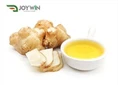
For centuries, ginger has been one of the most valued spices and medicinal herbs across cultures. From traditional Chinese medicine to modern dietary supplements, ginger offers wellness benefits that continue to capture attention worldwide. While the fresh root remains popular in cooking and home remedies, two concentrated forms-Ginger Root Powder and Ginger Powder-play an increasingly important role in the nutraceutical, food supplement, and pharmaceutical industries.
However, many people, including buyers, retailers, and consumers, are often confused about the difference between these two forms. Do they offer similar nutritional benefits? Which type should be chosen for food formulations, dietary supplements, or health care products?
This comprehensive article explores the differences, benefits, and uses of it. By the end, you will not only understand their unique properties but also gain insights into how these ingredients can be effectively applied in your product development or health routine.
What Is Ginger?
A Brief Botanical Background
Ginger (Zingiber officinale) is a well-known flowering plant prized mainly for its aromatic rhizome, commonly called ginger root. This underground stem is rich in powerful bioactive compounds-including gingerols, shogaols, paradols, and zingerone-that are responsible for its distinctive flavor as well as its wide-ranging therapeutic effects.
Traditional and Modern Applications of Ginger
* Traditional Medicine: In Ayurveda, Chinese medicine, and Unani practices, ginger is celebrated for aiding digestion, treating nausea, improving circulation, and reducing inflammation.
* Culinary Use: As a spice, ginger adds flavor to savory dishes, teas, confectionaries, and beverages.
* Modern Research: Scientific studies confirm ginger's roles in supporting digestive health, controlling inflammation, and reducing oxidative stress.
The Core Difference
1. Ginger Root Powder
* Definition: This refers to dried ginger rhizome that has been ground into a fine powder, usually with minimal processing. It preserves most of the natural compounds present in the whole root.
* Characteristics:
Typically less processed
May contain more fiber and plant matrix elements
Often sold in herbal supplement markets
* Applications: Nutritional supplements, herbal capsules, teas, and powder blends.
2. Ginger Powder
* Definition: Also derived from ginger rhizomes, but in some markets, "ginger powder" refers to a more standardized or refined form of ground ginger. Sometimes it implies higher purity, processing for consistent flavor, or water-soluble formulations.
* Characteristics:
Uniform particle size
May undergo special drying or extraction technologies
Emphasized in food ingredients and functional formulations
* Applications: Food industry flavoring, beverages, seasoning powders, instant drinks, pharmaceutical mixes.
Simplified Explanation:
* Ginger root powder is made by simply drying the whole ginger root and grinding it into a fine powder, with minimal processing involved.
* Ginger powder = often more standardized, sometimes water-soluble or custom-processed, better for precise formulations.

Nutritional Composition of Ginger Powders
Both powder trace back to the same botanical source - specifically the root (rhizome) of the Zingiber officinale plant - and as a result, they contain a significant overlap in their key bioactive compounds. These shared components include gingerols (the primary active substances in ginger), shogaols, and other volatile oils, which are responsible for many of ginger's characteristic properties. Yet, differences in drying methods, grinding, and extraction can lead to varying nutritional profiles.
Common Compounds in Ginger Powders
* Gingerols: Anti-inflammatory and antioxidant agents.
* Shogaols: Formed from gingerols during drying; potent bioactive compounds.
* Zingerone: Provides aroma and contributes to anti-nausea effects.
* Essential Oils: Responsible for ginger's strong fragrance and biological activity.
* Fiber and Carbohydrates: Aid digestion and provide bulk.
Factors That Influence Composition
Drying Temperature: High heat may reduce gingerol content but increase shogaol.
Processing Style: Water-soluble ginger powder can have reduced fiber but enhanced bioavailability.
Purification: Some food-grade ginger powders focus on flavoring rather than phytochemical density.
Health Benefits of Ginger Powder and Ginger Root Powder
Scientific studies and clinical trials have confirmed a wide range of health benefits. Below are the main evidence-backed advantages of consuming ginger in powdered form:
1. Digestive Health
Stimulates gastric motility, preventing bloating and indigestion.
Increases saliva and bile secretion, enhancing nutrient absorption.
Useful for irritable bowel syndrome (IBS) management.
2. Anti-Nausea and Motion Sickness Relief
Effective in reducing morning sickness during pregnancy (under medical supervision).
Helps ease sea sickness and chemotherapy-induced nausea.
3. Anti-Inflammatory and Pain-Relief Properties
Gingerols and shogaols modulate inflammatory cytokines.
Supports management of arthritis, muscle soreness, and migraines.
4. Metabolic Support and Weight Management
Promotes thermogenesis and enhances fat oxidation.
It may help regulate blood sugar level and improve lipid profile.
5. Antioxidant Power
Neutralizes free radicals.
Protects cells from oxidative stress linked to aging and chronic diseases.
6. Cardiovascular Support
Improves circulation by dilating blood vessels.
May support healthy cholesterol and triglyceride levels.
7. Immune-Boosting Effects
Inhibits the growth of harmful microbes.
Enhances the body's natural defense mechanisms.
Uses of Ginger Root Powder vs Ginger Powder
Ginger Root Powder Uses
Capsules & Tablets: Packed as dietary supplements.
Herbal Formulations: Combined with turmeric, black pepper, and ginseng.
Tea and Infusions: Added directly into hot water.
Functional Foods: Incorporated into natural health bars or shakes.
Ginger Powder Uses
Beverages: Energy drinks, instant tea, soluble warm beverages.
Cooking & Baking: Used in cookies, bread, sauces, and condiments.
Nutraceutical Formulations: Dissolves more easily in liquid formulations.
Cosmetics: Incorporated into creams and topical applications for circulation.
Industrial Importance of Ginger Powder
For manufacturers of dietary supplements and food ingredients, ginger powder has become an essential product:
Standardization: Ginger powder allows companies to deliver consistent bioactive content.
Shelf Life: Longer storage stability compared to fresh ginger.
Versatility: Soluble ginger powder blends easily into different product lines.
Market Demand: Rising consumer awareness of natural health products fuels demand for ginger-based supplements.
How to Choose it?
When selecting the right type of powder for your business or personal use, consider:
* For Dietary Supplements: Choose root powder for whole-plant preservation and high phytonutrient density.
* For Beverages & Food Formulations: Choose ginger powder, especially water-soluble grades, for better dispersion and taste uniformity.
* For Traditional Herbal Preparations: Ginger root powder offers a closer match to traditional remedies.
* For Bulk Manufacturing & Export: Ginger powder often fits technical requirements such as granule size, purity, and solubility.
Potential Side Effects and Safety Considerations
While ginger powders are generally safe, caution is needed in some cases:
* Pregnant Women: Should only use small amounts under supervision.
* Blood-Thinning Medications: Ginger may enhance their effect.
* High Doses: May cause mild digestive discomfort, such as heartburn or diarrhea.
Suggested safe intake: 2–4 grams per day depending on the individual and product formulation.
Market Outlook for Ginger Powder
According to global nutrition and botanical extracts industry reports:
* The demand for ginger powder is expected to grow steadily due to consumer interest in natural health products.
* Asia-Pacific remains the leading producer, but North America and Europe drive consistent import demand.
* Innovative formulations-such as water-soluble ginger powders, organic-certified raw materials, and blends with turmeric-will lead future trends.
Why Work with JOYWIN for Ginger Ingredients
At JOYWIN, we specialize in high-quality plant extracts and fruit powders. Our product line includes Water Soluble Ginger Powder, which is ideal for beverages, supplements, and functional foods.
Advantages of JOYWIN Ginger Powder:
* Certified Quality: NOP/JAS, BRC, FSSC, cGMP, Kosher, HALAL, ISO9001, ISO14001, ISO22000.
* Stable Supply Chain: Years of experience as the world's largest organic inulin manufacturer and one of four global bromelain suppliers.
* Professional Service: Tailored solutions for your food supplement projects.
* Innovation-Driven: Constant R&D ensures improved solubility, bioavailability, and application diversity.
By partnering with JOYWIN, supplement manufacturers and food producers can ensure consistent ginger powder supply, strict quality control, and innovative product development.
Conclusion
Ginger is more than just a spice; it is a powerhouse of health-promoting compounds. Both powder have valuable roles to play in nutrition, wellness, and food applications.
* Ginger Root Powder is closer to the whole plant, rich in fiber and phytochemicals, suitable for herbal capsules and natural formulations.
* Ginger Powder, especially water-soluble forms, caters to food and beverage industries requiring standardized, easy-to-use ingredients.
Whether you are a consumer looking for natural remedies or a manufacturer searching for reliable raw materials, ginger powders open countless opportunities in health and wellness markets.
JOYWIN founded in 2013 is an innovation-driven biotechnology company. We provide the manufacture of plant extracts, plant proteases, and customized products. If you want to know more about ginger root powder or are interested in purchasing it, you can send an email to contact@joywinworld.com. We will reply to you as soon as possible after we see the message.