

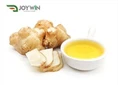
Ground Ginger Powder, derived from the rhizome of Zingiber officinale Roscoe, represents one of the most versatile and scientifically-backed ingredients available to dietary supplement formulators. With a history spanning over 5,000 years in traditional medicine systems including Ayurveda and Traditional Chinese Medicine, this golden powder has transcended its culinary origins to become a powerhouse ingredient in the global nutraceutical market . The growing consumer shift toward natural health solutions has positioned ginger powder as a key ingredient for supplement brands seeking evidence-based, multifunctional formulations.
The significance of ginger powder in modern supplementation is underscored by substantial scientific validation. Recent research has confirmed what traditional practitioners long understood-that properly processed ginger powder contains a complex profile of bioactive compounds with diverse physiological effects . For B2B ingredient suppliers and supplement manufacturers, understanding the full spectrum of ginger powder's applications, optimal standardization parameters, and formulation considerations is essential for creating products that deliver measurable efficacy in the increasingly competitive supplement marketplace.
The Bioactive Composition of Ginger Powder
Key Active Constituents
The therapeutic potential of ginger powder stems from its rich and complex phytochemical profile. Ginger contains over 60 identified active constituents, broadly categorized into volatile essential oils and non-volatile pungent compounds . The most significant bioactive compounds include:
* Gingerols: Particularly 6-gingerol, which is the most abundant pungent compound in fresh ginger and serves as the precursor to other important compounds . Gingerols constitute approximately 1-6% of fresh ginger by weight and are responsible for many of its characteristic pharmacological effects .
* Shogaols: Formed from gingerols through dehydration during thermal processing or storage, with 6-shogaol being particularly prominent in dried ginger powder . Shogaols are often more stable and potent than their gingerol precursors, which explains why dried ginger powder demonstrates enhanced biological activity in certain applications compared to fresh ginger .
* Zingerone: A degradation product of gingerols that contributes to ginger's antioxidant properties and has been shown to act as a superoxide scavenger with mechanisms similar to superoxide dismutase enzymes .
* Paradols: Including 6-paradol, which are formed from shogaols through hydrogenation and contribute to ginger's overall bioactivity profile .
Standardization Parameters for Supplement Grade
For consistent efficacy in finished products, high-quality Ground Ginger Powder should be standardized to specific marker compounds. Research indicates that premium commercial ginger powder typically contains:
* 6-gingerol: 41.9%
* 6-shogaol: 24.3%
* 1-dehydro-6-gingerdione: 8.6%
* 8-gingerol: 7.2%
* 10-gingerol: 5.1%
* 6-paradol: 5.9%
* 4-gingerol: 3.6%
Table: Key Bioactive Compounds in Standardized Ginger Powder
|
Compound |
Typical Concentration |
Primary Biological Activities |
|
6-Gingerol |
41.9% |
Anti-inflammatory, antioxidant, antiemetic |
|
6-Shogaol |
24.3% |
Enhanced antioxidant, anti-inflammatory, neuroprotective |
|
6-Paradol |
5.9% |
Antioxidant, metabolic modulator |
|
Zingerone |
Variable |
SOD-mimetic antioxidant, anti-inflammatory |
Digestive Health Applications
Anti-Nausea and Antiemetic Effects
One of the most well-researched applications of Ground Ginger Powder is in managing various forms of nausea and vomiting. Clinical evidence supports its use for:
* Motion sickness: Multiple double-blind clinical trials have demonstrated that ginger powder (typically 500-1000 mg) taken 1-2 hours before travel significantly reduces symptoms of motion sickness compared to placebo .
* Pregnancy-related nausea: Research involving pregnant women with nausea and vomiting found that those receiving approximately 1 gram of ginger powder daily experienced significant reduction in symptoms compared to placebo groups, with no increased risk of adverse effects .
* Post-operative nausea: Studies indicate that administering 1 gram of ginger powder before surgery can be as effective as conventional antiemetic medications in reducing post-operative nausea, with patients requiring less rescue medication .
* Chemotherapy-induced nausea: Preliminary research suggests potential benefits for chemotherapy-related nausea, though this application requires medical supervision.
Digestive Function Support
Beyond its antiemetic properties, ginger powder demonstrates multiple benefits for overall digestive health:
* Gastrointestinal tonic effects: Ginger is recognized as a digestive stimulant that enhances digestive function and tones intestinal muscles, helping to move substances through the digestive tract while reducing intestinal irritation .
* Enzyme activity modulation: Research shows that polyphenolic-rich fractions of ginger powder can effectively inhibit isolated digestive enzymes including α-glucosidase, pancreatic lipase, and angiotensin-converting enzyme, suggesting potential applications for metabolic health .
* Gastroprotective properties: Ginger may protect the gastric mucosa from damage caused by alcohol and non-steroidal anti-inflammatory drugs (NSAIDs), potentially helping to prevent ulcer formation .

Anti-Inflammatory and Pain Management Applications
Osteoarthritis and Joint Health
Substantial clinical evidence supports the use of Ground Ginger Powder for inflammatory conditions, particularly osteoarthritis:
* A clinical study involving 261 patients with knee osteoarthritis found that participants receiving ginger powder supplementation experienced significantly less pain and required reduced analgesic medication compared to the placebo group .
* The anti-inflammatory mechanisms involve inhibition of pro-inflammatory compounds including thromboxane and prostaglandins, as well as modulation of inflammatory cytokines .
* Research published in Phytotherapy Research confirms that ginger preparations show significant anti-inflammatory and analgesic actions, supporting their traditional use for musculoskeletal complaints .
Mechanisms of Anti-Inflammatory Action
The anti-inflammatory properties of ginger powder operate through multiple biochemical pathways:
* Cyclooxygenase and Lipoxygenase Inhibition: Ginger compounds inhibit both COX and LOX enzymes, reducing the production of inflammatory prostaglandins and leukotrienes . This dual inhibition mechanism differs from many conventional NSAIDs that primarily target COX pathways.
* Cytokine Modulation: Bioactive components in ginger, particularly gingerols and shogaols, suppress the production of pro-inflammatory cytokines including TNF-α and IL-1β .
* Inflammatory Enzyme Suppression: Ginger extracts have been shown to inhibit inflammatory enzymes such as human leukocyte elastase, contributing to reduced tissue inflammation .
Metabolic and Cardiovascular Benefits
Cardiovascular Risk Factor Modulation
Growing research highlights ginger powder's potential for supporting cardiovascular health through multiple mechanisms:
* Lipid Profile Improvement: Clinical evidence indicates that ginger supplementation can significantly reduce triglycerides and LDL cholesterol levels while improving overall blood lipid profiles .
* Antiplatelet Activity: Ginger compounds demonstrate ability to inhibit platelet aggregation, potentially reducing thrombosis risk by making platelets less sticky and decreasing their tendency to form clots .
* Oxidative Stress Reduction: The antioxidant properties of ginger components, particularly zingerone, contribute to protection against oxidative damage in cardiovascular tissues .
Metabolic Syndrome Applications
Research suggests Ground Ginger Powder may beneficially impact several parameters associated with metabolic syndrome:
* Blood Glucose Regulation: Human trials and animal studies indicate that ginger supplementation can lower fasting blood glucose levels and improve insulin sensitivity .
* Anti-obesity Potential: In vitro studies show that ginger compounds can inhibit pancreatic lipase, an enzyme crucial for fat absorption, suggesting potential applications for weight management formulations .
* Synergistic Metabolic Effects: The combination of antioxidant, anti-inflammatory, and insulin-sensitizing properties makes ginger powder a valuable ingredient for comprehensive metabolic health formulations .
Neuroprotective and Cognitive Effects
Emerging Research on Brain Health
Recent scientific investigations have revealed promising neuroprotective properties of standardized ginger powder:
* A 2025 study published in Metabolic Brain Disease demonstrated that standardized ginger varieties with high 6-gingerol content provided significant neuroprotective effects in scopolamine-induced learning and memory impaired mice .
* The research found that ginger supplementation alleviated spatial recognition deficits and improved both short-term and long-term memory in experimental models .
* Mechanistic studies revealed that these neuroprotective effects involved inhibition of acetylcholinesterase (AChE) and butyrylcholinesterase (BChE) enzymes, increased acetylcholine levels, reduced oxidative stress parameters, and reversal of neuroinflammation .
Antioxidant Mechanisms in Neurological Protection
The neuroprotective properties of Ground Ginger Powder are partially attributed to its potent antioxidant activities:
* SOD-Mimetic Behavior: Recent research shows that zingerone, a key ginger component, functions as a superoxide dismutase mimic, effectively scavenging superoxide radical anions through mechanisms similar to endogenous antioxidant enzymes .
* Cellular Antioxidant Activity: Studies using cellular antioxidant activity (CAA) assays confirm that polyphenolic-rich fractions of ginger powder provide significant protection against oxidative damage at the cellular level .
* Synergistic Antioxidant Effects: Research demonstrates that combining ginger compounds with other antioxidants like vitamin C creates synergistic effects, dramatically enhancing free radical scavenging capacity beyond what either compound achieves alone .
Quality Standards for Supplement Manufacturers
Standardization and Analytical Parameters
For B2B supplement manufacturers, ensuring consistent quality of Ground Ginger Powder requires strict adherence to analytical parameters:
* Chromatographic Profiling: High-performance thin-layer chromatography (HPTLC) and high-performance liquid chromatography (HPLC) should be used to verify the concentration of key marker compounds, particularly 6-gingerol and 6-shogaol .
* Standardization Specifications: Premium ginger powder for supplement use should be standardized to specific levels of total gingerols (typically 5-20%) or specific ratios of gingerols to shogaols, depending on the intended application .
* Activity-Based Standardization: Where possible, standardization based on biological activity (such as ORAC value or specific enzyme inhibition) provides additional quality assurance beyond chemical profiling .
Purity and Safety Considerations
Pharmaceutical-grade ginger powder must meet stringent safety and quality standards:
* Heavy Metal Compliance: Ginger powder should meet USP <232> and ICH Q3D limits for arsenic, cadmium, lead, and mercury .
* Microbiological Standards: Total aerobic microbial count, total combined yeasts/molds, and absence of specified pathogens including E. coli and Salmonella must comply with USP <2021> and Ph. Eur. standards .
* Pesticide Residue Control: Comprehensive pesticide screening should confirm compliance with USP <561> and European Pharmacopoeia requirements .
* General Safety Profile: The American Herbal Products Association (AHPA) classifies fresh ginger root as Class 1 (safe when used appropriately), though dried ginger carries additional considerations for specific populations .
Formulation Considerations for Dietary Supplements
Dosage and Delivery System Optimization
Effective formulation with Ground Ginger Powder requires careful consideration of several factors:
● Clinical Dosage Ranges: Most clinical studies utilize doses between 500-2000 mg daily of standardized ginger powder, typically divided into 2-4 doses . Specific applications may require adjustment:
* Motion sickness: 500-1000 mg taken 30-120 minutes before travel
* Osteoarthritis: 1000-2000 mg daily in divided doses
* Pregnancy-related nausea: Up to 1000 mg daily (divided doses)
* Metabolic support: 1000-2000 mg daily
● Delivery System Compatibility: Ginger powder can be successfully incorporated into multiple delivery formats including capsules, tablets, powder formulations, and functional foods, though stability considerations vary by system .
● Synergistic Ingredient Combinations: Ginger demonstrates enhanced efficacy when combined with:
* Turmeric for enhanced anti-inflammatory effects
* Vitamin C for amplified antioxidant activity
* Piperine for improved bioavailability of various compounds
* Other digestive herbs for gastrointestinal formulations
Stability and Bioavailability Enhancement
* Processing Impact: The conversion of gingerols to shogaols during thermal processing affects both biological activity and stability . Formulators should select ginger powder with specific gingerol:shogaol ratios appropriate for their intended application.
* Bioavailability Considerations: Piperine from black pepper has been demonstrated to enhance the bioavailability of various compounds and may offer similar benefits for ginger actives, though research specific to ginger is ongoing .
* Encapsulation Technologies: Advanced delivery systems including phospholipid complexes, cyclodextrin inclusions, and lipid-based formulations may improve the bioavailability and stability of ginger's active compounds.
Table: Formulation Guidance by Application
|
Application |
Recommended Standardization |
Typical Dose |
Synergistic Ingredients |
|
Digestive Health |
Higher gingerol content |
500-1000 mg as needed |
Peppermint, fennel, chamomile |
|
Joint Health |
Balanced gingerols:shogaols |
1000-2000 mg daily |
Turmeric, boswellia, vitamin C |
|
Metabolic Support |
Higher shogaol content |
1000-2000 mg daily |
Cinnamon, berberine, chromium |
|
Cognitive Support |
High 6-gingerol standardization |
500-1000 mg daily |
Bacopa, lion's mane, omega-3s |
Conclusion: Strategic Formulation with Ginger Powder
Ground Ginger Powder represents a uniquely versatile ingredient for the dietary supplement formulator, offering an exceptional combination of traditional use validation and modern scientific substantiation. Its diverse applications-spanning digestive health, inflammatory response, metabolic function, and emerging research in neuroprotection-make it valuable for a wide spectrum of product formulations. The extensive safety profile and general consumer acceptance of ginger further enhance its appeal as a key ingredient in natural health products.
For supplement brands seeking to leverage the full potential of ginger powder, several critical factors determine success:
* Quality Assurance: Partner with suppliers who provide comprehensive documentation including Certificates of Analysis with chromatographic profiles, heavy metal testing, and microbiological safety data .
* Strategic Standardization: Select ginger powder standardized to specific marker compounds appropriate for your target health applications, considering the different properties of gingerols versus shogaols .
* Evidence-Based Formulation: Base dosage recommendations and combination strategies on clinical evidence rather than traditional use alone, while being mindful of regulatory requirements for structure/function claims .
As consumer demand for scientifically-validated natural ingredients continues to grow, ginger powder remains a cornerstone ingredient for innovative supplement formulations. By understanding its multifaceted biological activities, optimal quality parameters, and effective formulation strategies, supplement brands can develop evidence-based products that deliver measurable consumer benefits and stand out in a competitive marketplace.
JOYWIN founded in 2013 is an innovation-driven biotechnology company. We provide the manufacture of plant extracts, plant proteases, and customized products. If you want to know more about Ground Ginger Powder or are interested in purchasing it, you can send an email to contact@joywinworld.com. We will reply to you as soon as possible after we see the message.