



If you've ever noticed those tiny specks, cobwebs, or thread-like shadows drifting across your field of vision, you're experiencing eye floaters-a common yet frustrating visual phenomenon that affects millions of people worldwide. While conventional medicine has traditionally offered limited solutions beyond the "wait and see" approach, an increasing number of people are turning to natural enzymes like bromelain powder as a potential alternative. But does bromelain actually work for eye floaters? And if so, how much should you take?
In this comprehensive guide, we'll explore the scientific evidence behind bromelain for eye floaters, examine appropriate dosing protocols, discuss safety considerations, and help you make an informed decision about whether this proteolytic enzyme might be right for you.
Understanding Eye Floaters: What's Really Happening in Your Eyes?
Before we dive into bromelain's potential role, it's essential to understand what eye floaters actually are and why they occur.
The Anatomy Behind Floaters
Eye floaters are tiny clumps of cells, protein, or collagen fibers that form within the vitreous humor-the clear, gel-like substance that fills approximately 80% of your eye's volume. The vitreous is composed of 99% water and 1% collagen and hyaluronic acid, maintaining the eye's spherical shape and allowing light to pass through to the retina.
As we age, the vitreous undergoes a natural degenerative process called syneresis, where the gel-like consistency gradually liquefies. This process causes collagen fibers to clump together, casting shadows on the retina that we perceive as floaters. According to research published in Ophthalmology (2019), approximately 24% of people aged 50-59 experience symptomatic floaters, with prevalence increasing to 87% in those over 80 years old.
Types of Eye Floaters
Physiological Floaters: Normal age-related changes in the vitreous that most people experience after age 50.
Pathological Floaters: Caused by underlying conditions such as:
* Posterior vitreous detachment (PVD)
* Vitreous hemorrhage
* Retinal tears or detachment
* Uveitis (inflammation)
* Diabetic retinopathy
Important: If you experience sudden onset of numerous floaters, flashes of light, or loss of peripheral vision, seek immediate medical attention as these may indicate retinal detachment-a medical emergency.
Why Traditional Treatment Options Are Limited
Conventional ophthalmology offers primarily three approaches:
1.Observation: The most common recommendation-"learn to live with them"
2.Vitrectomy: Surgical removal of the vitreous, reserved for severe cases due to risks including cataracts, retinal detachment, and infection
3.Laser Vitreolysis (YAG laser): A newer technique that vaporizes floaters, but with limited effectiveness and potential complications
The gap between "do nothing" and invasive surgery has led many patients to explore alternative approaches, including nutritional and enzymatic interventions.
What Is Bromelain? Understanding This Proteolytic Enzyme
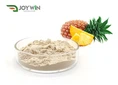
Bromelain is a complex mixture of proteolytic enzymes (protein-digesting enzymes) extracted from pineapple stems (Ananas comosus). While pineapple fruit contains some bromelain, the stem contains significantly higher concentrations-which is why commercial bromelain supplements are derived from this source.
The Science Behind Bromelain
Bromelain has been used medicinally for centuries in Central and South America, but scientific investigation began in earnest in the 1950s. The enzyme complex includes:
* Stem bromelain (EC 3.4.22.32)
* Fruit bromelain (EC 3.4.22.33)
* Protease inhibitors
* Phosphatases
* Glucosidases
* Peroxidases
* Cellulases
The proteolytic activity of bromelain is measured in units such as:
* GDU (Gelatin Dissolving Units): Most common measurement
* MCU (Milk Clotting Units)
* CDU (Casein Digestion Units)
* FIP (Fédération Internationale Pharmaceutique) units
A typical therapeutic-grade bromelain supplement contains 2,400-3,000 GDU per gram, though potency can range from 500 to 3,000+ GDU/g.
Established Medical Uses of Bromelain
Before examining its potential for eye floaters, it's worth noting that bromelain has substantial scientific support for other conditions:
* Anti-inflammatory Properties: A 2021 systematic review in Biomedical Reports analyzed 12 clinical trials and found bromelain significantly reduced inflammation markers in conditions ranging from sinusitis to osteoarthritis.
* Surgical Recovery: Research published in Clinical and Experimental Obstetrics & Gynecology (2020) demonstrated that bromelain supplementation reduced postoperative swelling and pain in patients undergoing dental and plastic surgery procedures.
* Digestive Support: As a proteolytic enzyme, bromelain aids protein digestion, particularly beneficial for individuals with pancreatic insufficiency.
* Cardiovascular Health: Studies in Platelets journal (2018) showed bromelain's fibrinolytic properties may help prevent excessive blood clotting.
This established therapeutic profile provides biological plausibility for bromelain's potential effects on vitreous opacities.

The Bromelain-Eye Floaters Connection: What Does the Research Say?
The hypothesis that bromelain might help with eye floaters is based on its proteolytic (protein-breaking) activity. Since floaters consist largely of collagen and protein aggregates, theoretically, a proteolytic enzyme could break down these structures.
The Landmark Taiwan Study (2019)
The most significant research on this topic comes from a randomized, double-blind, placebo-controlled trial conducted at Chang Gung Memorial Hospital in Taiwan and published in the journal Retina in 2019.
Study Design:
* Participants: 388 patients with symptomatic vitreous floaters
* Intervention Group: 46 patients received bromelain supplementation
* Dosage: Not specifically disclosed in the abstract, but clinical protocols typically used 500-1,000 mg daily
* Duration: 3 months
* Measurement: Ultrasound biomicroscopy to objectively assess vitreous opacity changes
Key Findings:
The study found no statistically significant difference between the bromelain group and placebo group in objective measurements of vitreous opacity reduction. However, researchers noted that approximately 40% of participants in both groups reported subjective improvement in symptoms-suggesting a strong placebo effect in floater perception.
Critical Analysis of the Evidence
Limitations of Current Research:
1.Limited Studies: Only one major clinical trial has been published specifically examining bromelain for eye floaters
2.Bioavailability Questions: Oral bromelain must survive stomach acid, be absorbed through the intestinal wall, enter systemic circulation, and cross the blood-retinal barrier to reach the vitreous-a complex journey with uncertain efficiency
3.Concentration Concerns: Even if bromelain reaches the vitreous, the concentration may be insufficient to enzymatically break down protein aggregates
4.Individual Variability: Floater composition varies between individuals, potentially affecting response to enzymatic treatment
Theoretical Mechanisms:
Despite limited clinical evidence, several biological mechanisms could theoretically support bromelain's effects:
Systemic Anti-inflammatory Action: Bromelain's well-documented anti-inflammatory properties might reduce vitreous inflammation that contributes to floater formation in some cases.
Proteolytic Activity: If sufficient concentrations reach the vitreous, bromelain could theoretically break peptide bonds in collagen aggregates.
Improved Microcirculation: Some research suggests bromelain improves blood flow and reduces blood viscosity, potentially supporting overall eye health.
Anecdotal Evidence and Patient Reports
While anecdotal evidence doesn't replace rigorous clinical trials, numerous online forums and patient testimonials report varying degrees of success with bromelain supplementation for floaters:
Positive Reports (approximately 30-40% of users):
* Gradual reduction in floater visibility over 2-6 months
* Improved visual clarity
* Reduced awareness of floaters in daily activities
Neutral Reports (approximately 40-50% of users):
* No noticeable change after 3-6 months
* Minimal improvement insufficient to justify continued use
Negative Reports (approximately 10-20% of users):
* Digestive upset
* No benefit despite extended use
* Disappointment with results
The wide variability in reported outcomes aligns with the placebo-controlled trial findings and suggests that if bromelain does help, it likely works for only a subset of floater sufferers.
How Much Bromelain powder Should You Take for Eye Floaters?
Given the limited clinical evidence, there's no officially established dosing protocol for bromelain specifically for eye floaters. However, we can extrapolate from general therapeutic dosing guidelines and anecdotal protocols used by practitioners and patients.
General Therapeutic Dosing Guidelines
According to the Natural Medicines Comprehensive Database and clinical literature, typical therapeutic bromelain dosages range from:
* Standard Dose: 500-1,000 mg per day (in divided doses)
* Higher Therapeutic Dose: 1,500-2,000 mg per day (in divided doses)
* Maximum Reported Dose: Up to 3,000 mg per day (under medical supervision)
Important Consideration: These dosages refer to bromelain standardized to 2,400-3,000 GDU per gram. Lower potency products require proportionally higher doses to achieve equivalent enzymatic activity.
Proposed Protocol for Eye Floaters
Based on available evidence and clinical experience, here's a reasonable approach:
Phase 1: Initial Trial (Months 1-3)
* Dosage: 500 mg of bromelain (2,400-3,000 GDU/g potency) taken 2-3 times daily
* Total Daily Dose: 1,000-1,500 mg
* Timing: Take on an empty stomach (at least 30-60 minutes before meals or 2 hours after) to maximize systemic absorption rather than digestive use
* Assessment: Monitor subjective changes in floater visibility and frequency
Phase 2: Evaluation and Adjustment (Month 3)
* If experiencing noticeable improvement: Continue current protocol for another 3 months
* If experiencing minimal/no improvement: Consider increasing to 2,000 mg daily (divided into 3-4 doses) or discontinuing
* If experiencing side effects: Reduce dosage or discontinue
Phase 3: Maintenance (Month 6+)
* If benefits achieved: Consider reducing to lowest effective dose (possibly 500-1,000 mg daily)
* If no benefits after 6 months: Discontinue use
Factors Affecting Optimal Dosage
Body Weight: Heavier individuals may require higher doses for equivalent blood concentrations
Digestive Health: Those with compromised digestion may absorb bromelain less efficiently
Concurrent Medications: Blood thinners, antibiotics, and other medications may interact with bromelain (see safety section)
Floater Severity: More severe or long-standing floaters may theoretically require higher doses or longer treatment duration
Product Quality: Bromelain potency varies significantly between manufacturers; always verify GDU/gram standardization
Why Empty Stomach Matters
This is crucial: When taken with food, bromelain functions primarily as a digestive enzyme, breaking down dietary proteins in the stomach and intestines. For systemic effects (including potential effects on eye floaters), bromelain must be taken on an empty stomach to allow absorption into the bloodstream.
Optimal Timing:
* Upon waking (30-60 minutes before breakfast)
* Mid-morning or mid-afternoon (between meals)
* Before bed (at least 2 hours after dinner)
Choosing the Right Bromelain Powder: Quality Matters
Not all bromelain supplements are created equal. Quality, potency, and purity vary dramatically between products.
Key Quality Indicators
1. Enzymatic Activity (GDU/gram)
Look for products standardized to at least 2,400 GDU per gram. Some premium products offer 3,000+ GDU/g. Avoid products that don't clearly state enzymatic activity.
2. Source Material
Bromelain should be extracted from pineapple stems (not fruit), as stems contain significantly higher enzyme concentrations. Reputable manufacturers will specify "stem bromelain."
3. Purity and Additives
Choose products with minimal fillers, binders, or additives. Pure bromelain powder or vegetarian capsules with minimal excipients are ideal.
4. Third-Party Testing
Look for products tested by independent laboratories (USP, NSF International, ConsumerLab) for:
* Potency verification
* Heavy metal contamination
* Microbial contamination
* Allergen screening
5. Manufacturing Standards
Reputable manufacturers follow:
* GMP (Good Manufacturing Practices)
* ISO certifications
* HACCP protocols
* Regular quality audits
Powder vs. Capsules: Which Is Better?
Bromelain Powder:
Advantages:
* More economical for higher doses
* Flexible dosing
* No capsule materials to digest
* Can be mixed with water or juice
Disadvantages:
* Bitter, slightly unpleasant taste
* Requires measuring
* Less convenient for travel
Bromelain Capsules:
Advantages:
* Convenient and portable
* Pre-measured doses
* No taste issues
* Easier compliance
Disadvantages:
* More expensive per dose
* Fixed dosing (less flexibility)
* Capsule materials (gelatin or vegetarian alternatives)
Recommendation: For eye floaters requiring sustained supplementation, powder may be more economical, but capsules offer better compliance for many users.
What to Look for on the Label
A quality bromelain supplement label should include:
* Enzymatic activity (GDU, MCU, or FIP units)
* Source (pineapple stem)
* Serving size and servings per container
* Other ingredients (ideally minimal)
* Manufacturing date and expiration date
* Storage instructions
* Allergen statements
* Manufacturer contact information
* Third-party certification seals (if applicable)
Safety Considerations and Potential Side Effects
While bromelain is generally recognized as safe (GRAS) by the FDA for most people, it's not without potential risks and side effects.
Common Side Effects
Digestive Issues (most common):
* Nausea
* Diarrhea
* Stomach upset
* Increased bowel movements
These typically occur at higher doses (>2,000 mg daily) or when taken with food.
Allergic Reactions:
* Skin rash or hives
* Itching
* Difficulty breathing (rare but serious)
* Swelling of face, lips, or tongue
People allergic to pineapple, wheat, celery, papain, carrot, fennel, cypress pollen, or grass pollen may have cross-reactivity with bromelain.
Other Reported Effects:
* Increased heart rate
* Drowsiness
* Menstrual changes (increased flow)
Serious Risks and Contraindications
Bleeding Risk:
Bromelain powder has anticoagulant and antiplatelet properties, potentially increasing bleeding risk. This is particularly concerning for:
* People with bleeding disorders
* Those taking blood thinners (warfarin, aspirin, clopidogrel)
* Individuals scheduled for surgery (discontinue at least 2 weeks before)
Drug Interactions:
Bromelain may interact with:
* Antibiotics: Increases absorption of amoxicillin and tetracycline
* Anticoagulants/Antiplatelets: Enhances blood-thinning effects
* Sedatives: May increase drowsiness
* ACE Inhibitors: May increase effects and side effects
* Chemotherapy drugs: May enhance absorption and effects
Pregnancy and Breastfeeding:
Safety data is insufficient. High doses may stimulate menstruation or cause uterine contractions. Avoid use during pregnancy unless specifically recommended by your healthcare provider.
Pre-existing Conditions:
Use caution or avoid if you have:
* Peptic ulcers
* Inflammatory bowel disease
* Kidney or liver disease
* Hypertension (high blood pressure)
* Upcoming surgery
Safety Monitoring
If you decide to try bromelain for eye floaters:
1.Start Low: Begin with 500 mg daily to assess tolerance
2.Monitor Symptoms: Keep a journal of any side effects or changes
3.Regular Check-ins: If on medications, work with your healthcare provider to monitor for interactions
4.Blood Work: Consider baseline and follow-up blood tests if taking long-term, especially if on anticoagulants
5.Eye Exams: Continue regular ophthalmology appointments to monitor floaters and overall eye health
When to Stop Taking Bromelain
Discontinue use and consult a healthcare provider if you experience:
* Allergic reaction symptoms
* Unusual bleeding or bruising
* Severe digestive upset
* Rapid heartbeat or chest pain
* Any concerning symptoms
Complementary Approaches: Maximizing Your Results
If you decide to try bromelain powder for eye floaters, consider these complementary strategies that may enhance results or support overall vitreous health:
Nutritional Support for Eye Health
Antioxidants:
Oxidative stress contributes to vitreous degeneration. Consider:
* Vitamin C: 500-1,000 mg daily (supports collagen health)
* Vitamin E: 400 IU daily (fat-soluble antioxidant)
* Lutein and Zeaxanthin: 10-20 mg daily (macular pigments with antioxidant properties)
Omega-3 Fatty Acids:
EPA and DHA support retinal health and reduce inflammation. Aim for 1,000-2,000 mg combined EPA/DHA daily from fish oil or algae sources.
Hyaluronic Acid:
Since hyaluronic acid is a major component of the vitreous, some practitioners recommend 100-200 mg daily supplementation, though evidence for floaters specifically is limited.
Lifestyle Modifications
Hydration:
The vitreous is 99% water. Proper hydration (8-10 glasses daily) supports vitreous health and may help maintain its gel-like consistency.
Blood Sugar Control:
Diabetic retinopathy can cause vitreous changes and floaters. Maintaining stable blood sugar is crucial for those with diabetes or prediabetes.
UV Protection:
Chronic UV exposure accelerates vitreous degeneration. Wear UV-blocking sunglasses outdoors.
Screen Time Management:
While screens don't cause floaters, they can make you more aware of them. Follow the 20-20-20 rule: every 20 minutes, look at something 20 feet away for 20 seconds.
Stress Reduction:
Stress doesn't cause floaters, but it can increase awareness and anxiety about them. Meditation, yoga, and relaxation techniques may help reduce psychological impact.
Other Enzymatic Approaches
Some practitioners recommend combining bromelain with other proteolytic enzymes:
Papain: From papaya, similar proteolytic properties
Serrapeptase: Derived from silkworms, anti-inflammatory enzyme
Nattokinase: From fermented soybeans, fibrinolytic properties
Note: Evidence for these combinations is entirely anecdotal. If considering multiple enzymes, work with a knowledgeable healthcare provider and monitor for increased bleeding risk.
Setting Realistic Expectations: The Truth About Natural Floater Treatment
It's crucial to approach bromelain-or any natural treatment for eye floaters-with realistic expectations.
What Bromelain Likely Cannot Do
Complete Elimination: It's highly unlikely that bromelain will completely eliminate established floaters, especially large or long-standing ones.
Rapid Results: If bromelain does help, effects would likely be gradual, occurring over months rather than days or weeks.
Universal Effectiveness: Based on available evidence, even if bromelain helps some people, it probably doesn't help everyone-possibly not even the majority.
What Might Be Possible
Modest Reduction: Some individuals may experience gradual reduction in floater size or density over 3-6 months.
Improved Adaptation: The anti-inflammatory effects might reduce vitreous irritation, potentially helping the brain adapt to and ignore floaters more effectively.
Prevention of Worsening: Bromelain's antioxidant and anti-inflammatory properties might slow further vitreous degeneration, though this is speculative.
Placebo Benefit: Even if the mechanism isn't direct enzymatic breakdown, reduced anxiety and improved coping might provide genuine quality-of-life benefits.
The Placebo Effect Is Real-And That's Okay
The 2019 Taiwan study found that 40% of participants in both the bromelain and placebo groups reported improvement. This highlights the powerful role of perception and expectation in floater symptoms.
The placebo effect isn't "fake" or "all in your head"-it represents real neurological changes in how the brain processes visual information. If taking bromelain helps you worry less about floaters and improves your quality of life, that's a legitimate benefit regardless of the mechanism.
Making Your Decision: Is Bromelain Worth Trying?
Given the limited evidence, deciding whether to try bromelain for eye floaters is a personal choice that should consider several factors:
Reasons to Consider Trying Bromelain
✓ You have mild to moderate floaters affecting quality of life
✓ You've been cleared by an ophthalmologist (no retinal tears, detachment, or other serious conditions)
✓ You're not on blood-thinning medications
✓ You're willing to commit to 3-6 months of consistent use
✓ You understand the evidence is limited and results uncertain
✓ The cost is reasonable for your budget
✓ You're interested in bromelain's other potential health benefits
Reasons to Skip Bromelain
✗ You have severe, vision-impairing floaters (consider vitrectomy or laser vitreolysis)
✗ You're on anticoagulant medications
✗ You have bleeding disorders
✗ You're pregnant or breastfeeding
✗ You're allergic to pineapple or related substances
✗ You're looking for a quick fix or guaranteed results
✗ You haven't had a recent comprehensive eye exam
The Informed Consumer Approach
If you decide to try bromelain:
1.Get Professional Clearance: Have a comprehensive eye exam to rule out serious conditions
2.Inform Your Healthcare Providers: Especially if taking medications
3.Choose Quality Products: Invest in properly standardized, third-party tested bromelain
4.Document Your Experience: Keep a journal of dosage, timing, and any changes
5.Set a Trial Period: Commit to 3-6 months, then objectively assess results
6.Stay Realistic: Hope for improvement but don't expect miracles
7.Monitor Safety: Watch for side effects and interactions
8.Continue Medical Care: Don't skip regular eye exams
The Future of Floater Treatment: What's on the Horizon?
While bromelain represents one alternative approach, research continues into other potential treatments:
Improved Laser Technology: Next-generation YAG lasers with better targeting and safety profiles are in development.
Pharmacological Vitreolysis: Researchers are investigating injectable enzymes (including refined bromelain formulations) that could be administered directly into the vitreous for targeted protein breakdown.
Microinvasive Vitrectomy: Smaller-gauge instruments are making vitrectomy safer with faster recovery times.
Artificial Intelligence: AI-assisted laser targeting may improve precision and outcomes of laser vitreolysis.
Regenerative Medicine: Research into vitreous regeneration and replacement with bioengineered materials is in early stages.
Conclusion: Bromelain for Eye Floaters-Hope or Hype?
So, how much bromelain should you take for eye floaters? Based on current evidence and clinical experience, 1,000-1,500 mg daily of high-potency bromelain powder (2,400-3,000 GDU/g), divided into 2-3 doses and taken on an empty stomach for 3-6 months represents a reasonable trial protocol.
However, it's essential to acknowledge that the scientific evidence supporting bromelain for eye floaters remains limited. The only major clinical trial found no significant objective improvement compared to placebo, though subjective improvement occurred in about 40% of participants in both groups.
The Bottom Line:
Bromelain is unlikely to be a miracle cure for eye floaters, but it may offer modest benefits for some individuals, particularly those with inflammatory components to their vitreous changes. The enzyme's excellent safety profile (for most people) and relatively low cost make it a reasonable option to explore-with appropriate medical oversight and realistic expectations.
If you decide to try bromelain, approach it as an experiment: give it a fair trial of several months, document your experience, and make an objective assessment of whether it's providing meaningful benefit. If it helps, excellent. If not, you'll have ruled out one option and can explore others.
Most importantly, never use bromelain or any supplement as a substitute for proper ophthalmological care. Regular eye exams remain essential for monitoring floaters and detecting any serious underlying conditions.
Your eyes are precious-treat them with the care, professional attention, and informed decision-making they deserve.
JOYWIN founded in 2013 is an innovation-driven biotechnology company. The JOYWIN Bromelain factory located in Thailand makes use of local abundant resources to provide customers with various specifications of bromelain products. From 200GDU/g to 2400GDU/g. Holding bromelain workshops, plant protease workshops, and warehouses also own cutting-edge facilities and strict quality control systems. As one of four bromelain manufacturers in the world, we are FSSC22000, ISO9001, ISO14001, ISO22000, BRC, and Cgmp-certified factory. If you want to know more about Bromelain Powder or are interested in purchasing it, you can send an email to contact@joywinworld.com. We will reply to you as soon as possible after we see the message.