

Coenzyme Q10 powder stands as one of the most researched and essential nutrients in human metabolism, playing a fundamental role in cellular energy production and antioxidant defense. For suppliers and manufacturers in the dietary supplement industry, understanding the science, applications, and quality benchmarks of CoQ10 is paramount. This comprehensive guide delves into the molecular mechanisms of CoQ10, critically evaluates its evidence-based health benefits-from cardiovascular and neurological support to fertility and metabolic health-and provides actionable insights on forms, dosage, and the critical importance of bioavailability. We will also explore the global market drivers, sourcing considerations, and formulation strategies that can help your business deliver superior, science-backed products to a growing consumer base seeking solutions for energy, longevity, and overall vitality.
Table of Contents
1.Introduction: The Ubiquitous Energy Molecule
2.The Science of CoQ10: Cellular Power and Protection
3.Evidence-Based Health Benefits of CoQ10 Supplementation
4.Navigating CoQ10 Forms: Ubiquinone vs. Ubiquinol
5.Sourcing and Quality: A B2B Supplier's Perspective
6.Formulation, Dosage, and Safety Considerations
7.The Future of CoQ10: Market Trends and Innovations
8.Conclusion: Partnering for Quality and Efficacy
1. Introduction: The Ubiquitous Energy Molecule
Coenzyme Q10, also known as ubiquinone, is a vitamin-like compound found in virtually every cell of the human body. Its name derives from "ubiquitous quinone," reflecting its widespread presence. First identified in 1957 and studied for its therapeutic properties since the 1960s, CoQ10 has evolved from a scientific curiosity to a cornerstone of the global nutraceutical market, valued at close to $600 million annually.
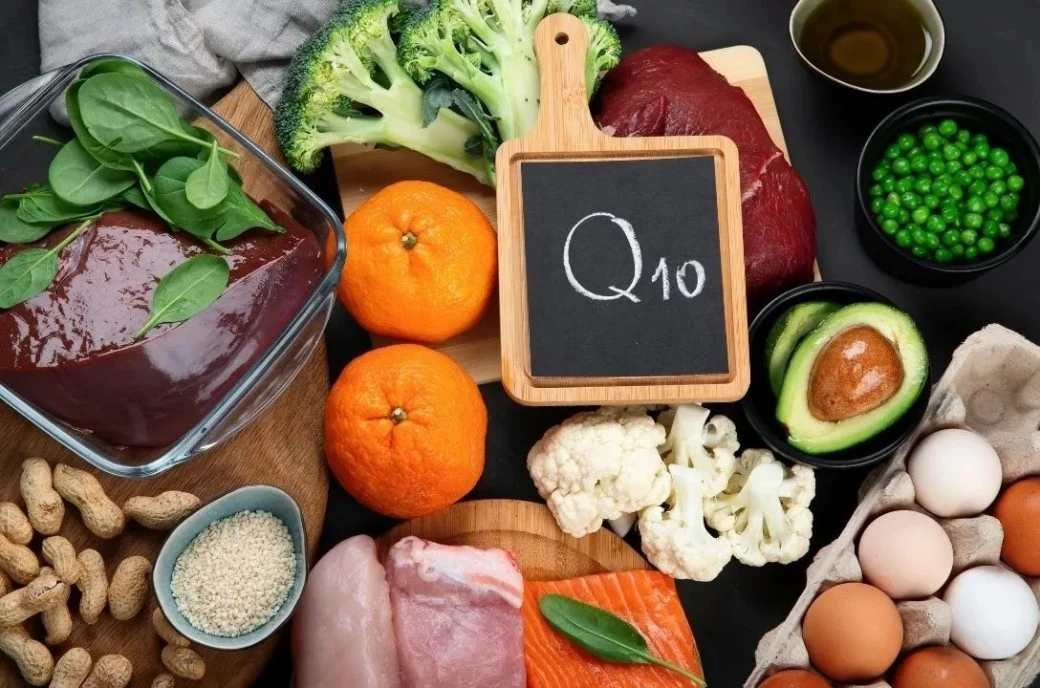
The body synthesizes CoQ10 endogenously and obtains smaller amounts from dietary sources such as oily fish, organ meats, and some vegetables. However, synthesis and levels can decline with age and are often insufficient in individuals with chronic health conditions. This gap between what the body can produce and what it may need for optimal function forms the basis for CoQ10's widespread use as a dietary supplement. For B2B partners, offering a high-quality Coenzyme Q10 powder is not just about providing an ingredient; it's about supplying a fundamental component for cellular health that resonates with consumers focused on energy, heart health, anti-aging, and overall metabolic support.
2. The Science of CoQ10: Cellular Power and Protection
To appreciate its benefits, one must understand CoQ10's dual role at the cellular level.
Primary Role: Mitochondrial Energy Production
Coenzyme Q10 is an indispensable component of the mitochondrial electron transport chain, the series of protein complexes inside the cell's power plants (mitochondria) that generate adenosine triphosphate (ATP). Acting as an electron shuttle, CoQ10 facilitates the conversion of nutrients from food into usable cellular energy (ATP). Organs with the highest energy demands-such as the heart, liver, and muscles-typically have the highest concentrations of CoQ10.
Secondary Role: Potent Antioxidant Activity
Beyond energy production, CoQ10 is a potent fat-soluble antioxidant. It protects cell membranes, lipoproteins, and mitochondrial DNA from damage caused by free radicals-unstable molecules generated as a byproduct of normal metabolism and environmental stressors. By neutralizing these free radicals, CoQ10 helps maintain cellular integrity and reduces oxidative stress, a key factor in aging and many chronic diseases.
The Challenge of Declining CoQ10
While the body produces CoQ10, several factors can lead to deficiency or suboptimal levels:
* Age: Endogenous production peaks around age 20 and begins a steady decline thereafter.
* Chronic Diseases: Conditions like heart failure, cancer, and neurodegenerative disorders are frequently associated with lower CoQ10 levels.
* Medication Use: Notably, statin drugs (cholesterol-lowering medications like atorvastatin and simvastatin) work by inhibiting the HMG-CoA reductase enzyme in the cholesterol synthesis pathway. This same pathway is responsible for producing the precursor to CoQ10, leading to a well-documented reduction in serum and muscle CoQ10 levels as a side effect.
* Genetic Factors: Rare primary CoQ10 deficiency disorders, caused by mutations in genes involved in its synthesis, highlight the compound's critical importance, though these conditions are medically managed and distinct from general supplementation.
3. Evidence-Based Health Benefits of CoQ10 Supplementation
The purported benefits of Coenzyme Q10 powder are vast, but a discerning supplier must focus on areas with the strongest scientific support. Here, we separate well-substantiated applications from those requiring more research.
3.1. Cardiovascular Health: The Best-Researched Application
The heart is one of the most metabolically active organs, making it highly dependent on CoQ10. Research strongly supports its role in various aspects of cardiovascular function.
* Congestive Heart Failure (CHF): This is CoQ10's most established use. Multiple studies and meta-analyses indicate that supplementing with CoQ10, in addition to standard therapy, can improve symptoms, exercise capacity, and quality of life in CHF patients. A landmark randomized controlled trial (Q-SYMBIO) found that CoQ10 supplementation significantly reduced the risk of major adverse cardiovascular events and all-cause mortality in CHF patients. A 2021 Cochrane review concluded that CoQ10 may reduce all-cause mortality and hospitalization, though it called for more high-quality evidence, noting the current evidence is of "moderate quality".
* Blood Pressure Support: Several clinical trials suggest CoQ10 has a modest blood pressure-lowering effect. It is thought to improve endothelial function (the health of blood vessel linings) and reduce oxidative stress in the vascular system.
* Statin-Associated Muscle Symptoms (SAMS): Many patients on statin therapy experience muscle pain, weakness, or cramps. Given that statins deplete CoQ10, supplementation is a logical intervention. Evidence is mixed but promising; some studies and a meta-analysis have reported reductions in muscle pain and weakness with CoQ10 supplementation.
* Heart Attack Recovery: Preliminary evidence suggests CoQ10 may support recovery after a heart attack by improving energy production in damaged heart tissue and reducing oxidative stress.
Table 1: Summary of Key Clinical Evidence for CoQ10 in Cardiovascular Health
|
Health Area |
Evidence Strength |
Key Findings & Notes |
|
Congestive Heart Failure |
Strong |
Improves symptoms, exercise tolerance; may reduce mortality and hospitalization. |
|
Hypertension |
Moderate |
May modestly lower blood pressure, likely via improved endothelial function. |
|
Statin Myopathy |
Moderate/Inconsistent |
Some studies show reduction in muscle pain; not all trials are positive. |
|
Heart Attack Recovery |
Preliminary |
May reduce subsequent cardiac events; requires more research. |
3.2. Neurological & Cognitive Support
The brain's high energy demands and susceptibility to oxidative damage make it a potential target for CoQ10.
* Migraine Prevention: Several studies indicate that CoQ10 can reduce the frequency, severity, and duration of migraine headaches, likely through improving mitochondrial energy metabolism in brain cells.
* Neurodegenerative Diseases: Research into CoQ10 for Parkinson's and Alzheimer's disease has yielded mixed results. While early studies were promising, larger follow-up trials have not consistently shown significant disease-modifying effects. Its role is considered supportive rather than therapeutic.
3.3. Fertility and Reproductive Health
This is an emerging and promising area of application. CoQ10's role in cellular energy is critical for both egg (oocyte) and sperm cell health.
* Female Fertility: Egg quality declines with age, paralleled by a decline in mitochondrial function. Clinical studies show that CoQ10 supplementation in women of advanced maternal age or with poor ovarian response can improve egg quality, fertilization rates, and embryo quality.
* Male Fertility: As an antioxidant, CoQ10 can protect sperm from oxidative damage. Supplementation has been shown to improve sperm count, motility (movement), and morphology (shape).
* Pregnancy Support: Research suggests CoQ10 may help reduce the risk of preeclampsia, a serious pregnancy complication characterized by high blood pressure, in women at risk.
3.4. Physical Performance and Fatigue
The theoretical basis is strong-improving mitochondrial energy production should boost physical performance. However, clinical results in healthy athletes are mixed, with some studies showing benefits in recovery or reduced oxidative stress, and others showing no effect on performance metrics. The most consistent reports are from non-athletes experiencing general fatigue, where CoQ10 supplementation is often associated with improved energy levels and reduced feelings of tiredness.
3.5. Other Research Areas
Coenzyme Q10 is also studied for its potential supportive role in diabetes management (improving insulin sensitivity), gum (periodontal) health, and in mitigating certain side effects of cancer chemotherapy. It is crucial to note that while CoQ10 is widely available as a supplement, it is not a FDA-approved treatment for any disease and should not be portrayed as a cure. For instance, there is no evidence it can prevent viral myocarditis, such as that potentially associated with COVID-19.
4. Navigating CoQ10 Forms: Ubiquinone vs. Ubiquinol
A critical decision for formulators is the choice of CoQ10 form. The two main types are:
* Ubiquinone: The oxidized form. This is the most common, studied, and cost-effective form in supplements. The body must convert it to ubiquinol for use.
* Ubiquinol: The reduced (antioxidant) form. Marketed as having higher bioavailability, especially beneficial for older individuals or those with severe deficiency where conversion efficiency may be impaired.
The Bioavailability Challenge: Regardless of form, plain CoQ10 is a large, fat-soluble molecule with poor and variable absorption. This is the single greatest hurdle to its efficacy. Advanced delivery technologies are therefore not a luxury but a necessity for a competitive product.
* Bioenhanced Forms: These include nanoparticle-sized CoQ10, oil-based softgel suspensions, and forms using solubilizers like cyclodextrins. These technologies can dramatically increase absorption rates compared to standard powder in a capsule.
* Clinical Validation: For B2B buyers, the gold standard is selecting a supplier whose Coenzyme Q10 powder is supported by human bioavailability studies (measuring parameters like AUC and Cmax in blood plasma), not just in vitro dissolution tests.
Table 2: Comparison of CoQ10 Forms and Technologies
|
Form/Technology |
Description |
Pros |
Cons |
|
Standard Ubiquinone Powder |
Crystalline powder, often in dry capsules. |
Most cost-effective; extensive research base. |
Low and variable absorption; requires fat for uptake. |
|
Ubiquinol |
Pre-reduced, stabilized form. |
Potentially higher bioavailability; may benefit those with poor conversion. |
More expensive; less long-term stability data. |
|
Oil-Based Softgel |
Ubiquinone dissolved in a lipid (e.g., soybean oil). |
Improved absorption over dry powder; traditional method. |
Still subject to variability; lower tech. |
|
Nanoparticulate / Bioenhanced |
Particle size reduced to nano-scale or use of solubilizers. |
Significantly higher bioavailability; consistent absorption; effective at lower doses. |
Higher production cost; requires advanced tech. |
|
Emulsified / Water-Soluble |
Technology to disperse CoQ10 in water. |
High absorption; convenient for liquid formulations. |
Complex manufacturing; potential stability issues. |
5. Sourcing and Quality: A B2B Supplier's Perspective
For business buyers, the provenance and quality controls behind Coenzyme Q10 powder are as important as the clinical data. Key evaluation criteria include:
* Production Method: High-quality CoQ10 is produced via yeast fermentation. This method yields the natural, all-trans isomer identical to that found in the human body and is considered superior to synthetic (tobacco plant extraction or chemical synthesis) sources.
* Purity and Potency: Purity should be verified by third-party HPLC (High-Performance Liquid Chromatography) analysis, with industry leaders offering material at 98-99.5% purity. Potency must match label claims with minimal batch-to-batch variance.
* Stability: CoQ10 is sensitive to light, heat, and oxygen. Suppliers must provide stability data and use appropriate packaging (e.g., opaque containers, nitrogen flushing) to guarantee shelf life.
* Certifications and Documentation: Look for suppliers with:
- GMP (Good Manufacturing Practice) certification.
- ISO quality management certifications.
- Comprehensive Dossiers: Including Certificate of Analysis (CoA), stability data, allergen statements, and heavy metal/contaminant testing.
* Technical Support: A superior supplier acts as a partner, providing formulation support, clinical literature, and custom solutions (like custom particle sizing or blend development).
6. Formulation, Dosage, and Safety Considerations
* Typical Dosages: Daily doses in clinical studies range widely from 30 mg to 1200 mg, divided into 2-3 doses. Common maintenance doses for general health are 100-200 mg daily, while specific health applications may use 300-600 mg daily.
* Formulation Tips:
- Pair with Fats: CoQ10 is fat-soluble. Formulations should include a lipid source (e.g., in a softgel with oil, or a powder with meal) to enhance absorption.
- Consider Synergies: CoQ10 works well in "mitochondrial support" blends with nutrients like L-carnitine, alpha-lipoic acid, magnesium, and B-vitamins.
- Targeted Formulations: Create specific products: a high-absorption ubiquinol for seniors, a CoQ10 + Omega-3 blend for heart health, or a CoQ10 + Myo-inositol combination for fertility support.
* Safety Profile: CoQ10 is generally very well-tolerated. Mild side effects can include gastrointestinal upset, headache, or insomnia. It has an excellent long-term safety record.
* Key Interaction: CoQ10 may reduce the anticoagulant effect of warfarin, requiring careful monitoring. Individuals on any medication, especially for heart conditions or blood clotting, should consult a physician before use.
7. The Future of CoQ10: Market Trends and Innovations
The CoQ10 market is driven by an aging global population, rising consumer awareness of heart and metabolic health, and the widespread use of statin medications. Future trends include:
* Personalized Nutrition: More targeted formulations for specific demographics (e.g., post-menopausal women, athletes, aging adults).
* Enhanced Delivery Systems: Continued innovation in bioavailability through novel emulsification, liposomal, and other advanced delivery platforms.
* Expanding Applications: Deeper research into its role in metabolic health, cognitive decline, and healthy aging.
* Sustainability: A growing focus on environmentally sustainable and transparent fermentation processes.
8. Conclusion: Partnering for Quality and Efficacy
Coenzyme Q10 is more than a popular supplement ingredient; it is a fundamental cellular nutrient with a robust body of scientific evidence supporting its role in energy metabolism and antioxidant defense. For B2B decision-makers, success lies in moving beyond basic commodity powder. By partnering with a supplier who provides high-purity, bioavailable Coenzyme Q10 powder backed by rigorous science, advanced technology, and comprehensive quality assurance, you can formulate products that deliver tangible benefits. This commitment to quality ensures your brand stands out in a competitive market, building consumer trust and driving long-term success through products that truly work.
Frequently Asked Questions (FAQ)
Q1: What's the main difference between Ubiquinone and Ubiquinol?
A: Ubiquinone is the oxidized form of CoQ10, which the body converts to ubiquinol, the active antioxidant form. Ubiquinol supplements are marketed for higher bioavailability, which may be beneficial for older adults or those with impaired conversion ability.
Q2: Can CoQ10 replace my heart medication?
A: No. Absolutely not. CoQ10 is a dietary supplement, not a medication. While it may provide supportive benefits for cardiovascular health, it should only be used as an adjunct to standard medical therapy under a doctor's supervision.
Q3: Why is bioavailability so important for CoQ10?
A: Plain CoQ10 is poorly absorbed by the body. High bioavailability ensures a greater percentage of the ingested dose reaches the bloodstream and tissues where it's needed, making the supplement more effective and potentially allowing for lower, more cost-effective doses.
Q4: Are there any people who should not take CoQ10?
A: Individuals taking the blood-thinner warfarin should use CoQ10 with extreme caution and only under medical supervision, as it may interfere with the drug's efficacy. Those who are pregnant, breastfeeding, or have severe chronic illnesses should consult a healthcare provider before use.
Q5: As a manufacturer, what should I look for in a CoQ10 supplier?
A: Prioritize suppliers who provide: 1) Fermentation-derived CoQ10, 2) Third-party verified purity and potency (HPLC analysis), 3) Bioavailability data from human studies, 4) Stability data, and 5) Full regulatory and quality documentation (GMP, CoA).
JOYWIN founded in 2013 is an innovation-driven biotechnology company. We provide the manufacture of plant extracts, plant proteases, and customized products. If you want to know more about Coenzyme Q10 Powder or are interested in purchasing it, you can send an email to contact@joywinworld.com. We will reply to you as soon as possible after we see the message.