

As a brand in the wellness industry, you are constantly evaluating ingredients for their efficacy, consistency, and market potential. The question of whether to formulate with a concentrated bromelain supplement or to simply promote whole pineapple consumption is not just a consumer curiosity-it's a fundamental decision that impacts your product's value proposition, clinical backing, and ultimate success.
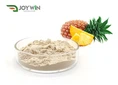
Pure Bromelain Powder, the renowned proteolytic enzyme complex derived from the pineapple plant (Ananas comosus), has secured its place in therapeutic and wellness circles. Yet, a persistent myth suggests that eating fresh pineapple is equivalent to taking a bromelain supplement. For industry professionals, this misconception presents both a challenge and an opportunity.
This guide cuts through the noise to provide a data-driven, commercially relevant analysis. We will dissect the critical differences in concentration, bioavailability, application, and scientific validation between dietary pineapple and supplemental bromelain. Our aim is to equip you with the knowledge to make informed formulation decisions, craft compelling and truthful marketing, and deliver products that reliably meet consumer expectations for quality and results.
1. Understanding the Source: Where Bromelain Really Comes From
To make an informed choice, we must first understand the origin and nature of Pure Bromelain Powder.
* The Two Sources in the Plant: Bromelain is not a single enzyme but a mixture of several protein-digesting enzymes and other compounds like phosphatases, glucosidases, and peroxidases. Crucially, it is found in two distinct parts of the pineapple plant:
1.Stem Bromelain: This is the primary source for virtually all commercial dietary supplement and clinical research-grade bromelain. It is extracted from the mature, fibrous inner stem of the plant after the fruit harvest.
2.Fruit Bromelain: Present in much smaller quantities in the juicy flesh of the pineapple fruit.
* The Critical Distinction: While both contain proteolytic activity, stem bromelain is significantly more potent, abundant, and stable. The concentration of active enzymes in the stem is orders of magnitude higher than in the fruit. A analysis of bromelain composition notes that the stem is the commercially viable source for therapeutic applications, precisely because of its high yield and potent activity profile.
* Implication for Formulators: When you choose a bromelain ingredient, you are almost certainly selecting an extract derived from the pineapple stem. This is a concentrated, specialized ingredient, fundamentally different from the trace enzymatic activity found in the edible fruit.
2. The Concentration Divide: Trace Amounts vs. Standardized Potency
This is the most decisive factor for supplement brands. The difference in bromelain concentration between pineapple and a supplement is not marginal-it is vast.
Pure Bromelain Powder in Fresh Pineapple:
* The enzymatic activity in pineapple fruit is relatively low and highly variable. It depends on the pineapple's variety, ripeness, growing conditions, and how it is processed or cooked (heat destroys enzymes).
* The fruit bromelain is concentrated in the core, which is often the toughest part and commonly discarded.
* Consuming a typical 100-gram serving of fresh pineapple provides a minuscule, non-standardized amount of proteolytic activity, primarily localized for digestive purposes.
Bromelain in Supplements:
* High-quality bromelain ingredients are standardized for potency, measured in enzymatic activity units like Gelatin Dissolving Units (GDU) or Milk Clotting Units (MCU). For example, a material might be standardized to contain 2,400 GDU per gram.
* A single 500 mg supplement capsule can deliver a potent, measured dose (e.g., 1,200 GDU) that is consistent from batch to batch.
* To ingest an equivalent amount of enzyme activity from pineapple alone, a person would need to consume impractical, large quantities-potentially several entire pineapples, including the fibrous core, in one sitting. This is neither feasible nor advisable due to the high sugar and acid content.
Table 1: The Potency Comparison
|
Aspect |
Fresh Pineapple (100g serving) |
Bromelain Supplement (500mg dose) |
|
Bromelain Content |
Trace, variable amounts (mainly fruit bromelain) |
High, standardized dose (stem bromelain, e.g., 1,200 GDU) |
|
Primary Source |
Fruit flesh (lower activity) |
Pineapple stem (higher activity) |
|
Consistency |
Highly variable (fruit, ripeness, processing) |
Batch-controlled and standardized |
|
Equivalent Intake |
~100g of fruit |
The enzymatic equivalent of multiple whole pineapples |

3. Targeted Applications: Dietary Enjoyment vs. Therapeutic Intent
The intended outcome dictates the appropriate source. Pineapple and Pure Bromelain Powder serve different primary purposes.
The Role of Pineapple (The Food):
* Primary Benefit: A nutritious, delicious fruit rich in Vitamin C, manganese, fiber, and antioxidants. Its trace bromelain may offer mild, localized digestive support when eaten with a meal.
* Limitation: Any systemic effect (e.g., reducing inflammation in joints or sinuses) is highly improbable due to the low dose and the enzyme's susceptibility to stomach acid when ingested with food. Its fruit bromelain is also less studied for therapeutic use than stem bromelain.
The Role of Bromelain Supplements (The Ingredient):
* Digestive Aid: When taken with meals, standardized bromelain supplements effectively assist in the breakdown of dietary proteins, aiding digestion.
* Systemic Support: This is the key differentiator. When taken between meals on an empty stomach, bromelain is more likely to be absorbed intact into the bloodstream. In this mode, it exerts its well-researched systemic effects:
- Anti-inflammatory & Anti-Edema: Multiple studies support its use for reducing swelling, inflammation, and pain after surgery or injury.
- Sinus Support: It helps reduce nasal swelling and thin mucous.
- Joint Comfort: It is a popular ingredient in formulas for osteoarthritis and sports recovery.
* Dosage Control: Supplements allow for precise dosing to match the intended application, which is critical for efficacy and safety.
4. Practical & Formulation Considerations for Brands
Beyond biology, several practical factors influence the decision for supplement development.
Table 2: Commercial & Practical Considerations
|
Consideration |
Fresh Pineapple |
Bromelain Supplement Ingredient |
|
Sugar & Caloric Content |
High in natural sugars (fructose). |
Negligible. Ideal for sugar-free formulations. |
|
Acidity |
High acid content (citric/malic acid) can be problematic for some. |
pH-neutral when properly processed. |
|
Stability & Shelf Life |
Perishable; enzyme activity degrades quickly. |
Stable powder with a long shelf life when stored properly. |
|
Allergen Risk |
Contains common fruit allergens. |
Highly purified extract minimizes allergen risk. |
|
Formulation Flexibility |
Only as a food. |
Versatile: used in capsules, tablets, powders, softgels, and topical creams. |
|
Clinical Backing |
No clinical trials for therapeutic effects. |
Substantial body of human clinical research on stem bromelain. |
|
Regulatory Path |
Sold as a food. |
Sold as a dietary supplement ingredient with defined quality (GMP) and labeling requirements. |
5. The Verdict: A Complementary, Not Competitive, Relationship
For your customers and your formulations, the choice isn't "either/or" but "for what purpose?"
Recommend Eating Pineapple For:
* General nutrition, antioxidant intake, and Vitamin C.
* Enjoyment as a whole food.
* A negligible amount of digestive enzyme support as part of a meal.
Recommend (or Formulate With) a Bromelain Supplement For:
* Targeted, therapeutic outcomes such as reducing inflammation, supporting joint health, or aiding post-operative recovery.
* Effective, measurable digestive enzyme support.
* A concentrated, reliable, and sugar-free source of bromelain's benefits.
* Applications requiring specific, clinically-relevant dosages.
The scientific and commercial consensus is clear. As concluded in a monograph on global medical information hubs, while pineapple is a healthy food, "the amount of bromelain in a serving of pineapple is likely too small to yield significant therapeutic effects" that are associated with supplemental doses of stem bromelain.
Conclusion and Formulation Guidance
As a brand, your goal is to create effective, trustworthy products. Positioning Pure Bromelain Powder correctly is key:
1.Educate Your Audience: Use your marketing to clarify this distinction. Explain that while pineapple is a wonderful food, achieving a therapeutically relevant dose of bromelain requires a concentrated supplement. This builds trust and demonstrates expertise.
2.Select the Right Ingredient: Source high-quality, potency-standardized stem bromelain (measured in GDU or MCU) from a reputable supplier like Joywin Natural. Ensure it is backed by comprehensive Certificates of Analysis (CoAs) for activity, purity, and heavy metals.
3.Formulate with Purpose:
* For digestive health blends, combine bromelain with other enzymes (like protease, lipase, amylase) and instruct users to take it with meals.
* For systemic inflammation or joint health blends, feature bromelain as a primary ingredient and instruct users to take it between meals on an empty stomach. Pair it with other synergistic ingredients like turmeric (curcumin) or quercetin.
4.Ensure Quality and Compliance: Adhere to cGMP standards, use transparent labeling that states the bromelain potency, and structure your claims around the extensive research on supplemental bromelain's role in supporting wellness, without making direct disease claims.
By understanding the profound differences between dietary pineapple and supplemental bromelain, you can make superior formulation decisions, craft compelling and accurate educational content, and ultimately provide your customers with products that deliver genuine, science-backed value.
JOYWIN founded in 2013 is an innovation-driven biotechnology company. The JOYWIN Bromelain factory located in Thailand makes use of local abundant resources to provide customers with various specifications of bromelain products. From 200GDU/g to 2400GDU/g. Holding bromelain workshops, plant protease workshops, and warehouses also own cutting-edge facilities and strict quality control systems. As one of four bromelain manufacturers in the world, we are FSSC22000, ISO9001, ISO14001, ISO22000, BRC, and Cgmp-certified factory. If you want to know more about Pure Bromelain Powder or are interested in purchasing it, you can send an email to contact@joywinworld.com. We will reply to you as soon as possible after we see the message.