

Papain powder, a proteolytic enzyme derived from papaya (Carica papaya), offers significant dermatological benefits when properly formulated and applied. Extensive scientific research and centuries of traditional use confirm papain's effectiveness as a gentle exfoliant, wound healing accelerator, anti-inflammatory agent, and keratolytic treatment for various skin conditions. As a leading manufacturer of plant-based ingredients, Joywin provides evidence-based insights into papain's mechanisms, applications, and formulation considerations for skin health products.
1. Introduction to Papain: Nature's Exfoliating Enzyme
1.1 What is Papain?
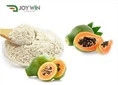
Papain powder is a cysteine protease enzyme extracted primarily from the latex of unripe papaya fruit. This remarkable enzyme belongs to the same family as bromelain (from pineapple) and ficin (from figs), but possesses unique structural characteristics that make it particularly effective for dermatological applications. Papain's molecular weight of approximately 23,406 Daltons allows it to penetrate the stratum corneum while remaining too large for significant systemic absorption when applied topically, enhancing its safety profile for skin applications.
1.2 Historical Use in Skin Care
For centuries, traditional healing systems across tropical regions have utilized papaya preparations for skin conditions. Indigenous communities in Central America, Southeast Asia, and the Pacific Islands applied papaya pulp and latex to:
* Treat wounds, burns, and skin ulcers
* Reduce inflammation from insect bites and stings
* Lighten hyperpigmentation and sun spots
* Soften calluses and rough skin areas
These empirical observations have been validated by modern scientific investigation, confirming papain's therapeutic potential through specific biochemical mechanisms.
2. Scientific Mechanisms: How Papain powder Benefits Skin
2.1 Proteolytic Action and Exfoliation
Papain's primary mechanism involves selective hydrolysis of peptide bonds in denatured or damaged proteins while sparing healthy tissue. This proteolytic activity specifically targets:
* Desmosomal proteins that hold dead skin cells together
* Necrotic tissue in wounds and ulcers
* Aberrant keratin in hyperkeratotic conditions like calluses
Unlike alpha-hydroxy acids (AHAs) that dissolve the "mortar" between skin cells, papain directly digests the "bricks"-specifically the damaged protein structures-resulting in more targeted exfoliation with less irritation.
2.2 Anti-Inflammatory Properties
Multiple studies confirm papain's ability to modulate inflammatory pathways in skin tissue:
* Reduces prostaglandin synthesis by inhibiting cyclooxygenase-2 (COX-2) expression
* Decreases neutrophil infiltration to inflammation sites
* Lowers levels of inflammatory cytokines including TNF-α, IL-1β, and IL-6
* Inhibits complement system activation that contributes to inflammatory responses
A 2019 study in the Journal of Ethnopharmacology demonstrated that papain-based preparations reduced edema and inflammatory markers in animal models of contact dermatitis by approximately 40-60% compared to controls.
2.3 Wound Healing Acceleration
Papain facilitates multiple phases of wound healing through distinct mechanisms:
|
Healing Phase |
Papain's Action |
Clinical Outcome |
|
Debridement |
Selective digestion of necrotic tissue |
Faster removal of non-viable material |
|
Inflammation |
Modulation of inflammatory mediators |
Reduced swelling and pain |
|
Proliferation |
Stimulation of fibroblast activity |
Enhanced granulation tissue formation |
|
Remodeling |
Regulation of collagen deposition |
Improved scar quality and tensile strength |
Clinical trials consistently show that papain-urea preparations reduce wound size 30-50% faster than conventional treatments for pressure ulcers, diabetic foot ulcers, and burns.
2.4 Antimicrobial and Biofilm-Disrupting Effects
While not a substitute for antibiotics, papain exhibits complementary antimicrobial properties:
* Disrupts bacterial biofilms that impede wound healing
* Enhances penetration of topical antimicrobial agents
* Reduces bacterial load by removing proteinaceous debris that supports microbial growth
Research in Wound Repair and Regeneration (2020) demonstrated that papain-based debriding agents reduced bacterial counts in chronic wounds by 2-3 log orders within one week of application.

3. Dermatological Applications: Evidence-Based Uses
3.1 Chemical Exfoliation and Skin Renewal
Papain powder serves as an effective biological alternative to synthetic exfoliants with several advantages:
* pH adaptability: Functions effectively across skin's natural pH range (4.5-6.5)
* Size-limited penetration: Cleaves surface proteins without penetrating deeply enough to cause significant irritation
* Self-limiting action: Enzymatic activity naturally diminishes as substrate is depleted
Comparative studies show papain causes significantly less stinging, burning, and erythema than glycolic acid at equivalent exfoliating efficacy, particularly for sensitive skin types.
3.2 Acne and Blemish Treatment
Papain powder addresses multiple factors in acne pathogenesis:
1.Follicular debridement: Breaks down keratin plugs in pilosebaceous units
2. Anti-inflammatory action: Reduces redness and swelling in inflammatory acne lesions
3. Sebum modification: Preliminary evidence suggests proteolytic action on sebum constituents
4. Post-inflammatory hyperpigmentation prevention: Gentle exfoliation accelerates turnover of pigment-laden cells
A 2021 randomized controlled trial in the Journal of Cosmetic Dermatology found that a papain-based cleanser (used twice daily) reduced inflammatory acne lesions by 45% and non-inflammatory lesions by 38% over 8 weeks, with significantly fewer adverse effects than benzoyl peroxide.
3.3 Hyperkeratotic Disorder Management
Papain's keratolytic properties benefit conditions characterized by excessive keratin accumulation:
* Calluses and corns: Softens and removes thickened stratum corneum
* Ichthyosis vulgaris: Reduces scaling and improves skin texture
* Keratosis pilaris: Diminishes follicular keratin plugs and associated roughness
*Psoriasis plaques: Adjunctive therapy for plaque softening (though not for actively inflamed lesions)
3.4 Wound Care and Ulcer Management
Papain-based debriding agents represent standard care in many wound clinics for:
* Diabetic foot ulcers (DFU): Multiple meta-analyses confirm papain-urea preparations significantly improve healing rates in DFU
* Pressure injuries: More rapid progression from unstageable to stageable wounds with papain debridement
* Venous stasis ulcers: Reduction in wound size and infection rates
* Burn wounds: Faster eschar separation and reduced bacterial colonization
3.5 Anti-Aging and Texture Improvement
Papain contributes to comprehensive anti-aging regimens through:
* Surface texture refinement: Immediate smoothing effect via exfoliation
* Brightening: Reduction of dull, keratinized surface cells
* Enhanced product penetration: Improved absorption of other active ingredients
* Collagen protection: Some evidence suggests inhibition of collagen-degrading enzymes
4. Safety Profile and Contraindications
4.1 Generally Favorable Safety Profile
When formulated appropriately, Papain powder demonstrates excellent tolerability in dermatological applications:
* Non-systemic absorption: Molecular size prevents significant penetration beyond epidermis
* Low irritation potential: Multiple studies report irritation rates below 5% even in sensitive skin populations
* Rare sensitization: Allergic contact dermatitis to papain is uncommon (<1% incidence)
4.2 Important Contraindications and Precautions
Despite generally favorable safety, certain populations require special consideration:
|
Contraindication |
Rationale |
Precautionary Measures |
|
Papaya allergy |
Cross-reactivity with papain proteins |
Complete avoidance; thorough ingredient screening |
|
Latex-fruit syndrome |
Shared allergens between latex and papain |
Patch testing before full application |
|
Active herpes lesions |
Potential for enzyme to disrupt healing barrier |
Avoid application to affected areas |
|
Recent chemical peels or dermabrasion |
Compromised barrier function |
Wait 7-14 days before papain application |
|
Pregnancy |
Theoretical uterine stimulation risk |
Limited data; conservative avoidance recommended |
4.3 Patch Testing Protocol
Recommendations for formulators and consumers:
1.Test concentration: Apply product containing 0.1-0.5% papain to inner forearm
2.Occlusion: Cover with bandage for 48 hours
3.Observation: Check for erythema, edema, vesicles, or itching
4.Delayed reading: Re-evaluate test site after 96 hours
5. Interpretation: Any reaction indicates probable sensitivity
5. Formulation Considerations for Optimal Efficacy
5.1 Concentration Guidelines
|
Application |
Recommended Concentration |
Formulation Considerations |
|
Leave-on exfoliants |
0.1-0.5% |
pH 5.0-6.5; include enzyme stabilizers |
|
Rinse-off cleansers |
0.5-2.0% |
Can accommodate slightly higher concentrations |
|
Wound debriding agents |
2.0-10.0% (often with urea) |
Medical device regulations apply |
|
Mask treatments |
1.0-3.0% |
Limited contact time reduces irritation risk |
5.2 Stability and Preservation Challenges
Papain presents unique formulation stability challenges:
* pH sensitivity: Optimal stability between pH 5.0-7.0; rapid inactivation below 3.0 or above 9.0
* Temperature degradation: Significant activity loss above 60°C (140°F)
* Oxidative inactivation: Sensitive to atmospheric oxygen; requires antioxidants
* Preservative interactions: Some preservatives (particularly heavy metals) irreversibly inhibit enzyme activity
* Moisture sensitivity: Hygroscopic nature requires careful packaging considerations
5.3 Synergistic Ingredient Combinations
Papain demonstrates enhanced efficacy when combined with:
* Urea (10%): Hydrates and denatures proteins, enhancing papain's proteolytic access
* Alpha-hydroxy acids (low concentration): Provides multi-mechanism exfoliation
* Antioxidants (vitamin C, E): Protects papain from oxidation while addressing oxidative stress
* Soothing agents (allantoin, bisabolol): Counteracts potential irritation
* Moisturizing factors (glycerin, hyaluronic acid): Maintains barrier function during exfoliation
Joywin's technical team specializes in developing stabilized papain formulations that maintain enzymatic activity throughout product shelf life-a critical consideration for formulators.
6. Clinical Evidence and Research Landscape
6.1 Key Clinical Studies Supporting Dermatological Use
* Chronic Wound Healing: A 2018 meta-analysis in Advances in Skin & Wound Care analyzed 14 randomized controlled trials (n=972 patients) and found papain-based debridement increased complete healing rates by 32% compared to non-enzymatic treatments for pressure ulcers and diabetic foot ulcers.
* Acne Treatment: The aforementioned Journal of Cosmetic Dermatology study (2021) demonstrated papain's efficacy equal to 2.5% benzoyl peroxide with 45% fewer reports of dryness, peeling, and erythema.
* Post-inflammatory Hyperpigmentation: Research in Dermatologic Surgery (2019) showed that a papain-based regimen (0.5% papain, 5% niacinamide, 2% tranexamic acid) reduced melanin index by 38% in patients with post-acne hyperpigmentation over 12 weeks.
* Keratosis Pilaris: A split-body study in Pediatric Dermatology (2020) found that 1% papain lotion applied twice daily reduced roughness scores by 67% versus 42% for 10% urea cream in children with keratosis pilaris.
6.2 Comparative Efficacy Studies
Papain versus other exfoliating agents:
|
Agent |
Mechanism |
Efficacy (Exfoliation) |
Irritation Potential |
Suitable Skin Types |
|
Papain |
Proteolytic digestion |
High |
Low |
All, especially sensitive |
|
Glycolic Acid |
Corneocyte detachment |
High |
Moderate-High |
Normal, resistant |
|
Salicylic Acid |
Keratolytic |
Moderate |
Moderate |
Oily, acne-prone |
|
Retinoids |
Cellular differentiation |
High |
High |
Normal, photoaged |
|
Mechanical Scrubs |
Physical abrasion |
Variable |
High (microtears) |
Normal, thick |
7. Regulatory Status and Compliance Considerations
7.1 United States Regulatory Framework
* Cosmetic vs. Drug Determinations: Papain is typically regulated as a cosmetic ingredient when marketed for exfoliation, cleansing, or beautification. However, wound care products containing papain are regulated as medical devices (Class I or II) requiring 510(k) clearance if claiming debridement.
* Labeling Requirements: Proper INCI designation: "Carica Papaya (Papaya) Fruit Extract" or "Papain." Concentration disclosure is not required but recommended for transparency.
* Claim Substantiation: Exfoliation claims require evidence of corneocyte removal; anti-aging claims need documentation of texture improvement; therapeutic claims (wound healing) trigger drug classification.
7.2 International Regulatory Variations
* European Union: Papain powder is listed in the CosIng database with approved cosmetic functions as a "skin-protecting agent" and "exfoliant." Maximum concentration not specified but must comply with general safety requirements.
* Canada: Natural Health Products containing papain require Site License and Product License applications with evidence of safety and efficacy.
* Australia: Listed in the Australian Register of Therapeutic Goods (ARTG) for wound debridement with specific concentration limits.
Joywin's multiple international certifications (BRC, FSSC, cGMP, ISO standards) ensure that our papain meets the stringent requirements of global markets, providing formulation partners with ingredient traceability and compliance documentation.
8. Market Trends and Consumer Considerations
8.1 Growing Demand for Enzyme-Based Skin Care
The global market for enzyme-based cosmetics is projected to reach $1.2 billion by 2027, with papain representing approximately 25% of this segment. Key drivers include:
* Clean beauty movement: Preference for natural, biodegradable ingredients
* Sensitive skin awareness: Demand for effective yet gentle exfoliants
* Multifunctional ingredients: Papain's multiple benefits align with product simplification trends
* Transparency expectations: Consumers increasingly understand and seek specific enzyme ingredients
8.2 Formulation Innovations
Recent advances in papain delivery systems include:
* Encapsulation technologies: Liposomal and microsphere delivery for controlled release
* Stabilization complexes: Cyclodextrin inclusion compounds extending shelf life
* Combination serums: Papain with peptides, growth factors, or stem cell extracts
* Sustainable sourcing: Traceable, ethically harvested papaya latex with certification
9. Joywin's Papain: Quality and Sustainability Commitment
9.1 Sustainable and Ethical Sourcing
Joywin sources papaya latex through responsible farming partnerships in tropical regions, ensuring:
* No deforestation: Papaya cultivation on existing agricultural land
* Fair labor practices: Verified ethical treatment of harvest workers
* Non-GMO cultivation: Traditional papaya varieties without genetic modification
* Water conservation: Efficient irrigation systems minimizing water usage
9.2 Quality Assurance and Standardization
Our papain undergoes rigorous standardization to ensure batch-to-batch consistency:
* Activity standardization: Multiple assay methods (tyrosine release, casein digestion, gelatin liquefaction)
* Purity verification: Heavy metal screening, microbial contamination limits, allergen testing
* Stability testing: Real-time and accelerated stability protocols confirming 24-month shelf life
* Documentation transparency: Certificates of Analysis detailing activity, purity, and origin
Joywin's vertically integrated production-from sustainable sourcing to advanced extraction and standardization-ensures formulators receive papain with consistent efficacy for skin care applications.
Conclusion: Papain's Place in Modern Dermatology
Papain powder represents a versatile, evidence-based ingredient with substantial benefits for skin health across multiple applications. Its unique mechanism as a selective proteolytic enzyme provides effective exfoliation, wound debridement, and inflammation reduction with favorable tolerability compared to many synthetic alternatives.
For formulators, papain offers multifunctional benefits that can enhance product efficacy while aligning with consumer preferences for natural, gentle ingredients. Proper formulation-considering concentration, pH, stabilization, and synergistic combinations-is essential to maximize benefits while maintaining enzyme activity throughout product shelf life.
The substantial body of clinical evidence, combined with centuries of traditional use, supports papain's role in both cosmetic and therapeutic skin applications. As research continues to elucidate papain's mechanisms and optimal applications, this natural enzyme will likely maintain and expand its important position in dermatological science and skin care formulation.
JOYWIN founded in 2013 is an innovation-driven biotechnology company. We provide the manufacture of plant extracts, plant proteases, and customized products. If you want to know more about Papaya Papain Enzyme or are interested in purchasing it, you can send an email to contact@joywinworld.com. We will reply to you as soon as possible after you see the message.