

Ginger has been a cornerstone of traditional medicine for over 5,000 years - used across Ayurvedic, Chinese, and Middle Eastern healing systems to treat everything from nausea to inflammation. Today, it sits at the intersection of ancient wisdom and modern nutritional science, with researchers actively investigating whether ginger root powder can genuinely support weight loss and metabolic health.
The short answer? Yes - but with important nuance. Ginger is not a magic fat-burning pill. However, a compelling and growing body of peer-reviewed research shows that the bioactive compounds in ginger - particularly gingerols and shogaols - influence several key metabolic pathways involved in weight regulation: thermogenesis, appetite control, blood sugar balance, inflammation reduction, and gut microbiome health.
In this comprehensive guide, we'll walk through exactly what the science says, how ginger root powder works in the body, who benefits most, how to use it effectively, and why it has become one of the most sought-after ingredients in the global dietary supplement industry.
Section 1: What Is Ginger Root Powder?
From Fresh Root to Functional Ingredient
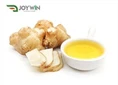
Ginger root powder is derived from the rhizome (underground stem) of Zingiber officinale - a flowering plant native to Southeast Asia. The fresh root is harvested, carefully dried at controlled temperatures, and ground into a fine powder that concentrates its bioactive compounds.
The result is a versatile, shelf-stable ingredient used across:
* Dietary supplements (capsules, tablets, softgels)
* Functional foods and beverages (teas, protein powders, meal replacements)
* Pharmaceutical formulations
* Cosmetic and personal care products
The Key Bioactive Compounds
The therapeutic power of ginger powder comes from a rich phytochemical profile:
|
Compound |
Found In |
Key Biological Activity |
|
6-Gingerol |
Fresh & dried ginger |
Anti-inflammatory, antioxidant, thermogenic |
|
6-Shogaol |
Dried/heated ginger |
More potent than gingerol; fat cell inhibition |
|
Zingerone |
Cooked/dried ginger |
Antioxidant, anti-obesity effects |
|
Paradols |
Dried ginger |
Thermogenic, anti-cancer properties |
|
Volatile oils |
Fresh & dried ginger |
Digestive support, antimicrobial |
Notably, shogaols - formed when fresh ginger is dried or heated - are considered more biologically potent than gingerols for metabolic purposes. This makes properly processed ginger powder potentially more therapeutically active than fresh ginger for weight management applications.

Section 2: How Does Ginger Root Powder Support Weight Loss?
The mechanisms by which ginger influences body weight are multi-dimensional. Rather than acting through a single pathway, ginger root powder appears to work across five interconnected biological systems simultaneously.
Mechanism 1: Thermogenesis - Turning Up Your Body's Heat
Thermogenesis refers to the body's production of heat through metabolic processes - and it's one of the primary ways the body burns calories beyond basic activity.
A landmark study published in Metabolism: Clinical and Experimental (indexed on PubMed Central) demonstrated that ginger consumption significantly enhanced the thermic effect of food - meaning participants burned more calories digesting and processing their meals after consuming ginger. The same study found that ginger reduced feelings of hunger, suggesting a dual benefit for both calorie burning and calorie intake.
The mechanism involves gingerols and shogaols activating TRPV1 receptors (the same receptors activated by capsaicin in chili peppers), which stimulate the sympathetic nervous system to increase metabolic rate and promote fat oxidation.
A further study published in Biochimica et Biophysica Acta found that dietary ginger prevents body weight gain by remodeling whole-body energy metabolism and inducing the browning of white adipose tissue (WAT) - a process where metabolically inactive white fat cells are converted into more active, calorie-burning beige/brown fat cells. This is considered one of the most exciting mechanisms in obesity research.
Mechanism 2: Blood Sugar Regulation and Insulin Sensitivity
Chronically elevated blood sugar and insulin resistance are among the most significant metabolic barriers to weight loss. When insulin signaling is impaired, the body preferentially stores energy as fat - particularly visceral (abdominal) fat.
A well-cited clinical study published in PMC (PubMed Central) found that ginger supplementation significantly reduced fasting blood sugar levels, hemoglobin A1c (HbA1c), and apolipoprotein B - all key markers of metabolic dysfunction.
Even more striking, a clinical intervention study reported that 2,000 mg/day of ginger powder over 8 weeks lowered fasting blood glucose by 24% and HOMA-IR (a measure of insulin resistance) by 28% in diabetic subjects.
A 2025 study published in Molecules (MDPI) further confirmed that gingerol administration resulted in significant reductions in body weight gain, glucose levels, insulin levels, and insulin resistance in subjects with metabolic dysfunction, while also favorably modifying lipid profiles.
By improving insulin sensitivity, ginger powder helps shift the body from a fat-storing state to a fat-burning state - a fundamental requirement for sustainable weight loss.
Mechanism 3: Appetite Suppression and Satiety
One of the most practical weight loss benefits of ginger is its ability to reduce appetite and increase feelings of fullness (satiety) - helping people naturally consume fewer calories without the discomfort of forced restriction.
The PMC thermogenesis study referenced above found that ginger consumption was associated with enhanced satiety and reduced hunger scores in healthy male participants, suggesting a role in appetite regulation beyond simple caloric restriction.
The proposed mechanisms include:
* Serotonin receptor modulation - ginger may influence serotonin pathways that regulate hunger signals
* Gastric motility enhancement - ginger accelerates gastric emptying at appropriate doses, reducing bloating and improving digestive comfort
* Leptin sensitivity - emerging research suggests ginger may improve sensitivity to leptin, the "satiety hormone" that signals fullness to the brain
Medical News Today's review of clinical evidence also highlights that ginger's appetite-suppressing effects are most consistent when consumed before or with meals, making ginger root powder in pre-meal capsule or beverage form a practical application.
Mechanism 4: Anti-Inflammatory and Antioxidant Effects
Chronic low-grade inflammation is now recognized as a central driver of obesity and metabolic syndrome. Inflammatory cytokines like TNF-α, IL-6, and CRP interfere with insulin signaling, promote fat storage, and impair the body's ability to mobilize stored fat for energy.
Ginger is one of nature's most potent natural anti-inflammatory agents. Its bioactive compounds inhibit NF-κB (nuclear factor kappa B) - the master regulator of inflammatory gene expression - and suppress the production of pro-inflammatory prostaglandins by inhibiting COX-2 enzymes (the same target as ibuprofen).
Healthline's comprehensive review of ginger's weight loss mechanisms notes that by reducing systemic inflammation, ginger helps restore normal metabolic signaling - creating a biochemical environment more conducive to fat loss and healthy weight maintenance.
Additionally, ginger's powerful antioxidant activity - primarily through gingerols and shogaols - reduces oxidative stress, which is independently associated with obesity, insulin resistance, and metabolic syndrome.
Mechanism 5: Gut Microbiome Modulation
Perhaps the most cutting-edge area of ginger research involves its effects on the gut microbiome - the trillions of bacteria residing in the digestive tract that profoundly influence metabolism, immune function, and body weight.
A landmark 2025 study published in PMC (PubMed Central) titled "Beneficial effects of ginger on prevention of obesity through modulation of gut microbiota" concluded that ginger not only positively influences gut microbiota composition but also serves as an effective agent in the prevention and management of obesity. The study found that ginger supplementation increased the abundance of beneficial bacterial strains associated with leanness while reducing obesity-associated bacterial populations.
A complementary study published in the Journal of Microbiology and Biotechnology confirmed that ginger modulates gut microbiota composition, with measurable shifts in bacterial populations that correlate with improved metabolic outcomes.
This gut-metabolism connection is significant: a healthier microbiome improves:
* Short-chain fatty acid (SCFA) production (which enhances fat oxidation)
* Intestinal barrier integrity (reducing metabolic endotoxemia)
* Bile acid metabolism (influencing fat absorption and energy expenditure)
* Systemic inflammation levels
Section 3: What Does the Clinical Evidence Actually Show?
It's important to present the research landscape honestly and completely - including both supportive findings and limitations.
Supportive Clinical Evidence
A randomized, double-blind, placebo-controlled clinical trial published in Nutrients (MDPI, 2026) examined the effects of steamed ginger ethanolic extract on body weight and fat loss. The trial found statistically significant reductions in body fat percentage and body weight in the ginger group compared to placebo, with good safety and tolerability profiles.
The Natural Health Research Institute reported that an 8-week intervention with 2,000 mg/day of ginger powder produced clinically meaningful improvements in fasting blood glucose (−24%) and insulin resistance (−28%), both of which are strongly correlated with weight management outcomes.
Research published in ScienceDirect demonstrated that dietary ginger prevents body weight gain by remodeling energy metabolism and promoting white adipose tissue browning in animal models - mechanisms that are now being explored in human trials.
Where the Evidence Is Mixed
A 2025 systematic review published in ScienceDirect (Phytotherapy Research) that analyzed multiple randomized controlled trials concluded that ginger supplementation alone does not consistently produce significant reductions in body weight or BMI across all study populations. The authors noted significant heterogeneity between studies in terms of dosage, duration, population characteristics, and ginger formulation.
This is an important finding that deserves honest acknowledgment: ginger root powder is not a standalone weight loss solution. Its benefits are most pronounced when:
* The individual has underlying metabolic dysfunction (insulin resistance, elevated inflammation, dysbiotic gut microbiome)
* It is used consistently at evidence-based doses
* It is combined with a calorie-appropriate diet and regular physical activity
* The ginger product is standardized for bioactive compound content
The key takeaway: ginger powder is a metabolic support ingredient, not a fat-burning drug. It works best as part of a comprehensive weight management strategy.
Section 4: Ginger Root Powder vs. Fresh Ginger - Which Is Better for Weight Loss?
This is a question many consumers and formulators ask. Here's a clear comparison:
|
Form |
Bioactive Profile |
Convenience |
Potency |
Best For |
|
Fresh ginger root |
High gingerols, lower shogaols |
Low (perishable) |
Moderate |
Culinary use, teas |
|
Ginger root powder |
High shogaols (more potent), concentrated gingerols |
High (shelf-stable) |
High |
Supplements, functional foods |
|
Ginger extract |
Standardized gingerol/shogaol content |
Very high |
Very high |
Clinical-grade supplements |
|
Ginger essential oil |
Volatile compounds, minimal gingerols |
Moderate |
Low (for weight loss) |
Aromatherapy, topical use |
The drying and heating process that creates ginger powder actually converts gingerols into shogaols - compounds that research suggests are significantly more potent in their anti-obesity, thermogenic, and anti-inflammatory effects.
For dietary supplement applications, standardized ginger powder (typically standardized to 5% gingerols or total pungent compounds) offers the most consistent and reliable bioactive delivery - making it the preferred choice for supplement manufacturers seeking reproducible clinical outcomes.
Section 5: Ginger Root Powder in the Supplement Industry
A Rapidly Growing Market
The global ginger extract and powder market has experienced significant growth, driven by:
* Rising consumer demand for natural, plant-based weight management solutions
* Growing scientific validation of ginger's metabolic benefits
* Expanding applications in functional foods, beverages, and nutraceuticals
* Increased interest in gut health and the microbiome-metabolism connection
* Consumer preference for ingredients with long historical safety records
Key Quality Parameters for Ginger Root Powder
For supplement manufacturers and brand owners sourcing ginger powder, quality is paramount. Key specifications to evaluate include:
|
Parameter |
Specification |
Importance |
|
Gingerol content |
≥5% (standardized extract) |
Ensures consistent bioactive potency |
|
Moisture content |
≤12% |
Prevents microbial growth, ensures stability |
|
Heavy metals |
Per USP/EP limits |
Safety compliance |
|
Pesticide residues |
Below regulatory limits |
Clean-label compliance |
|
Particle size |
80–120 mesh |
Optimal flowability for encapsulation |
|
Microbial limits |
Per cGMP standards |
Safety and regulatory compliance |
|
Certifications |
cGMP, Kosher, Halal, ISO22000 |
Market access and trust |
Applications in Product Formulation
Ginger root powder is one of the most versatile ingredients in the supplement toolkit:
* Weight management capsules/tablets - often combined with green tea extract, black pepper (piperine), and chromium
* Digestive health formulas - paired with probiotics, digestive enzymes, and prebiotic fiber
* Anti-inflammatory blends - combined with turmeric (curcumin), boswellia, and omega-3s
* Blood sugar support formulas - alongside berberine, cinnamon, and alpha-lipoic acid
* Functional beverages - ginger shots, wellness teas, and metabolic support drinks
* Protein powders and meal replacements - adding digestive support and thermogenic benefits
At Joywin Natural (www.joywinnatural.com), we supply premium-grade dietary supplement ingredients to global brands, contract manufacturers, and functional food companies. Our product portfolio includes ginger powder alongside our flagship products - organic inulin (the world's leading prebiotic fiber, ideal for gut-metabolism support) and bromelain (a powerful digestive enzyme). All products are manufactured under rigorous quality control with certifications including BRC, FSSC, cGMP, Kosher, Halal, ISO9001, ISO14001, and ISO22000.
Section 6: Who Benefits Most From Ginger Root Powder?
Research and clinical experience suggest the following populations are most likely to experience meaningful weight management benefits from ginger powder supplementation:
1. Individuals With Insulin Resistance or Prediabetes
Given ginger's well-documented ability to lower fasting blood glucose and improve HOMA-IR scores, people with impaired glucose metabolism stand to benefit most. Correcting insulin resistance is one of the most impactful steps toward sustainable weight loss.
2. People With Chronic Inflammation
Those with elevated inflammatory markers (high CRP, TNF-α, IL-6) - common in obesity, autoimmune conditions, and metabolic syndrome - may find that ginger's anti-inflammatory action helps restore normal metabolic signaling and facilitates fat loss.
3. Individuals With Digestive Issues
Ginger's well-established prokinetic effects (accelerating gastric emptying, reducing bloating) make it particularly beneficial for people whose weight management efforts are hampered by poor digestion, bloating, or irregular gut motility.
4. People With Gut Dysbiosis
Given the emerging evidence on ginger's microbiome-modulating effects, individuals with imbalanced gut bacteria - increasingly linked to obesity and metabolic dysfunction - may benefit from ginger's prebiotic-like influence on microbial populations.
5. Those Seeking Natural Appetite Management
For people who struggle with hunger and cravings, ginger's satiety-enhancing and appetite-suppressing effects offer a natural, stimulant-free alternative to conventional appetite suppressants.
Section 7: How to Use Ginger Root Powder for Weight Loss
Evidence-Based Dosage Guidelines
|
Purpose |
Recommended Dose |
Form |
Duration |
|
General metabolic support |
1,000–2,000 mg/day |
Capsule or powder |
8–12 weeks minimum |
|
Blood sugar management |
2,000 mg/day |
Standardized powder |
8+ weeks |
|
Digestive support |
250–1,000 mg |
Before meals |
As needed |
|
Anti-inflammatory support |
1,500–3,000 mg/day |
Standardized extract |
12+ weeks |
The most clinically studied dose for metabolic outcomes is 1,500–2,000 mg of ginger powder per day, divided into 2–3 doses taken with meals.
Practical Tips for Maximum Effectiveness
1. Take with meals: Ginger powder is best absorbed when taken with food, particularly meals containing healthy fats.
2. Combine with black pepper: Piperine (from black pepper) has been shown to enhance the bioavailability of many phytonutrients. While less studied specifically with ginger than with curcumin, the combination is commonly used in metabolic formulas.
3. Pair with prebiotic fiber: Combining ginger powder with prebiotic inulin creates a powerful gut-metabolism synergy - ginger modulates microbiome composition while inulin feeds beneficial bacteria. This is a formulation strategy Joywin Natural is uniquely positioned to support, given our world-leading organic inulin supply.
4. Be consistent: Ginger's metabolic benefits are cumulative. Studies showing significant outcomes typically run for 8–12 weeks minimum. Short-term use is unlikely to produce meaningful weight changes.
5. Use standardized products: Not all ginger powder is created equal. Look for products standardized to ≥5% gingerols to ensure consistent bioactive potency.
Important Safety Considerations
Ginger root powder has an excellent safety profile with thousands of years of human use and robust modern safety data. However:
* Anticoagulant medications: Ginger has mild blood-thinning properties. Individuals taking warfarin, aspirin, or other anticoagulants should consult their physician before high-dose supplementation.
* Pregnancy: While culinary amounts of ginger are considered safe during pregnancy (and are widely used for morning sickness), high-dose supplementation should be discussed with a healthcare provider.
* Gallstones: Ginger stimulates bile production. Those with gallstones or bile duct obstruction should use caution.
* Surgery: Discontinue high-dose ginger supplements at least 2 weeks before elective surgery due to mild antiplatelet effects.
* Gastrointestinal sensitivity: At doses above 5,000 mg/day, some individuals experience heartburn, diarrhea, or stomach discomfort. Standard supplement doses (1,000–2,000 mg/day) are well-tolerated by most people.
Section 8: Combining Ginger Root Powder With Other Weight Management Ingredients
Ginger powder's multi-pathway mechanism makes it an excellent synergistic ingredient in comprehensive weight management formulas. Here are the most evidence-supported combinations:
Ginger + Turmeric (Curcumin)
Both belong to the Zingiberaceae family and share complementary anti-inflammatory mechanisms. Together, they provide broader NF-κB inhibition and more comprehensive inflammatory pathway coverage. This combination is one of the most popular in the natural supplement market.
Ginger + Green Tea Extract (EGCG)
Green tea's EGCG and ginger's gingerols both enhance thermogenesis through complementary mechanisms - EGCG via catechol-O-methyltransferase (COMT) inhibition and ginger via TRPV1 activation. The combination produces additive thermogenic effects.
Ginger + Organic Inulin (Prebiotic Fiber)
This is a particularly powerful combination for gut-mediated weight management. Inulin feeds Bifidobacterium and Lactobacillus species that support metabolic health, while ginger actively modulates microbiome composition and reduces gut inflammation. Together, they create a comprehensive gut-metabolism support system.
Ginger + Berberine
Both ingredients improve insulin sensitivity through different mechanisms - ginger via anti-inflammatory and thermogenic pathways, berberine via AMPK activation. Their combined effect on blood sugar regulation and insulin resistance is particularly relevant for metabolic syndrome management.
Ginger + Chromium
Chromium enhances insulin receptor sensitivity, complementing ginger's blood sugar-lowering effects for a more comprehensive glucose management formula.
Section 9: Frequently Asked Questions (FAQ)
Q: How long does it take for ginger root powder to help with weight loss? A: Most clinical studies showing meaningful metabolic improvements run for 8–12 weeks at consistent daily dosing. Don't expect overnight results - ginger works by gradually improving metabolic efficiency, not by acutely burning fat.
Q: Is ginger root powder better than ginger tea for weight loss? A: Ginger root powder in capsule or standardized supplement form delivers a more consistent, measurable dose of bioactive compounds than tea, where potency varies widely with brewing time, temperature, and root quality. For therapeutic weight management purposes, standardized ginger root powder is preferable.
Q: Can I take ginger root powder every day? A: Yes. At doses of 1,000–2,000 mg/day, ginger root powder is safe for long-term daily use for most healthy adults. It has been consumed daily as both food and medicine across cultures for thousands of years.
Q: Does ginger root powder interact with medications? A: The most clinically relevant interaction is with anticoagulant medications (warfarin, aspirin, clopidogrel). Ginger has mild blood-thinning properties and may enhance the effects of these drugs. Always consult a healthcare provider if you are on prescription medications.
Q: What's the difference between ginger root powder and ginger extract? A: Ginger root powder is the whole dried root ground into powder - it contains the full spectrum of ginger's compounds but at variable potency. Ginger extract is concentrated and typically standardized to a specific gingerol content (e.g., 5% or 20% gingerols), offering more consistent and potent dosing for supplement applications.
Q: Is ginger root powder vegan and allergen-free? A: Yes. Ginger root powder is 100% plant-derived, vegan, gluten-free, and not a recognized allergen. It is suitable for virtually all dietary preferences and restrictions.
Conclusion: Ginger Root Powder - A Scientifically Grounded Metabolic Ally
The evidence is clear and consistent: ginger root powder is genuinely good for weight loss - not as a miracle cure, but as a scientifically validated metabolic support ingredient that works through multiple, complementary biological pathways.
It enhances thermogenesis and fat oxidation, improves insulin sensitivity, reduces appetite, fights chronic inflammation, and favorably modulates the gut microbiome - all mechanisms that are directly relevant to body weight regulation. For individuals with underlying metabolic dysfunction, correcting these imbalances with consistent ginger supplementation can meaningfully support weight management outcomes when combined with a healthy diet and regular exercise.
For supplement manufacturers, brand owners, and functional food formulators, ginger root powder represents one of the most compelling, evidence-backed, and commercially appealing ingredients available today - with a safety record spanning millennia and a growing body of modern clinical validation.
JOYWIN founded in 2013 is an innovation-driven biotechnology company. We provide the manufacture of plant extracts, plant proteases, and customized products. If you want to know more about Ginger Root Powder or are interested in purchasing it, you can send an email to contact@joywinworld.com. We will reply to you as soon as possible after you see the message.