

In a world saturated with pharmaceutical antidepressants, synthetic anxiolytics, and an ever-expanding pipeline of mood-modulating drugs, one botanical has quietly maintained its clinical relevance for over 2,400 years - and is now backed by more rigorous clinical evidence than almost any other herbal medicine on the planet.
St. John's Wort Extract (Hypericum perforatum) is not a wellness trend. It is one of the most extensively studied herbal medicines in modern pharmacology - with over 60 randomized controlled clinical trials, multiple Cochrane systematic reviews, and an active research base that continues to uncover new mechanisms and applications with each passing year.
Named for its traditional harvesting around St. John's Day (June 24th), this bright yellow-flowering plant has been used in Western herbal medicine since ancient Greece - where Hippocrates himself documented its therapeutic properties. Today, St. John's Wort Extract is one of the best-selling herbal supplements in Europe and North America, prescribed by physicians in Germany as a first-line treatment for mild-to-moderate depression, and studied by researchers at institutions from Harvard Medical School to the Cochrane Collaboration.
A landmark Cochrane systematic review - one of the most authoritative evidence assessments in medicine - concluded that St. John's Wort Extract is superior to placebo in patients with major depression and similarly effective to standard antidepressants, with significantly fewer side effects. That is not a marketing claim. That is the conclusion of a rigorous meta-analysis of 29 clinical trials involving over 5,000 patients.
But depression is only the beginning. The benefits of St. John's Wort Extract extend far beyond mood - into anxiety, inflammation, viral infections, wound healing, neuroprotection, menopause support, and more. This guide covers all ten of the most evidence-supported benefits, with the scientific depth and practical clarity that both health-conscious consumers and supplement industry professionals deserve.
1. Understanding St. John's Wort Extract: The Bioactive Foundation
Before exploring the benefits, it is essential to understand what makes St. John's Wort Extract pharmacologically active - because the quality and standardization of the extract you use determines everything about the results you get.
The Plant
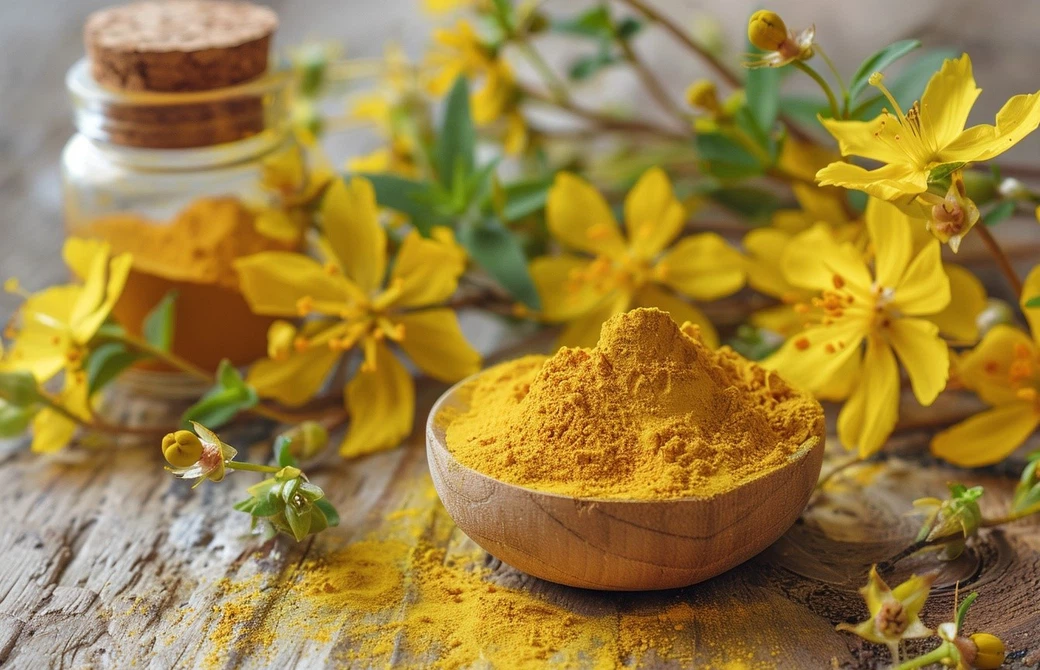
Hypericum perforatum is a perennial flowering plant in the family Hypericaceae, native to Europe and Asia but now naturalized worldwide. It grows to approximately 60–90 cm tall, producing bright yellow five-petaled flowers with distinctive black dots along the margins - these dots contain the hypericin-rich oil glands that give the plant its characteristic red pigment when crushed.
The aerial parts of the plant - flowers, leaves, and stems - are harvested at peak bloom (typically June–July) for maximum bioactive content.
The Bioactive Compounds
St. John's Wort Extract owes its remarkable therapeutic breadth to a complex matrix of bioactive compounds - each contributing to different aspects of its pharmacological activity:
|
Compound Class |
Key Components |
Primary Activity |
|
Naphthodianthrones |
Hypericin, Pseudohypericin |
Antidepressant, antiviral, anti-tumor |
|
Phloroglucinols |
Hyperforin, Adhyperforin |
Antidepressant (primary mechanism), antibacterial |
|
Flavonoids |
Quercetin, Rutin, Hyperoside, Amentoflavone |
Anti-inflammatory, antioxidant, anxiolytic |
|
Xanthones |
Kielcorin, Norathyriol |
MAO inhibition, antidepressant |
|
Tannins |
Catechin tannins, Proanthocyanidins |
Astringent, wound healing, antiviral |
|
Essential Oils |
2-Methyloctane, α-Pinene |
Antimicrobial, anti-inflammatory |
|
Phenolic Acids |
Chlorogenic acid, Caffeic acid |
Antioxidant, anti-inflammatory |
The Two Primary Active Markers
Premium St. John's Wort Extract is standardized to two key bioactive markers:
* Hypericin (0.3%) - the traditional standardization marker; responsible for antiviral, anti-tumor, and partial antidepressant effects
* Hyperforin (3–5%) - now recognized as the primary driver of antidepressant activity; responsible for the reuptake inhibition of serotonin, dopamine, norepinephrine, GABA, and glutamate
A 2025 PMC review titled "St. John's Wort for Depression: From Neurotransmitters to Modern Clinical Evidence" confirmed that "hyperforin is currently considered the primary active constituent responsible for the antidepressant effects of Hypericum perforatum" - a finding that has reshaped how the industry approaches extract standardization.
2. The Top 10 Benefits of St. John's Wort Extract
Benefit #1: Clinically Proven Relief for Mild-to-Moderate Depression
This is the flagship benefit of St. John's Wort Extract - and the one supported by the most extensive, rigorous clinical evidence of any herbal medicine in the world.
The evidence base is extraordinary in its depth and consistency:
The Cochrane Review: A landmark Cochrane systematic review - published in PMC and representing the gold standard of evidence-based medicine - analyzed 29 clinical trials involving 5,489 patients and reached a definitive conclusion: "The available evidence suggests that Hypericum extracts are superior to placebo in patients with major depression and similarly effective as standard antidepressants." Crucially, patients taking St. John's Wort Extract experienced significantly fewer adverse effects than those taking standard antidepressants.
The Mechanism: A 2025 PMC review comprehensively mapped the neurotransmitter mechanisms underlying St. John's Wort's antidepressant effects:
* Serotonin reuptake inhibition - hyperforin inhibits the serotonin transporter (SERT), increasing synaptic serotonin availability - the same mechanism as SSRI antidepressants
* Dopamine reuptake inhibition - enhancing dopaminergic neurotransmission, contributing to improved motivation and reward processing
* Norepinephrine reuptake inhibition - supporting mood, energy, and concentration
* GABA modulation - enhancing inhibitory neurotransmission, contributing to anxiolytic effects
* Glutamate modulation - reducing excitotoxic glutamate activity associated with depression
* HPA axis normalization - reducing cortisol dysregulation that drives chronic depression
Unlike SSRIs, which selectively target only serotonin reuptake, St. John's Wort Extract is a multi-target antidepressant - simultaneously modulating five neurotransmitter systems. This broad mechanism may explain why it is effective across a wider range of depressive presentations than single-target pharmaceuticals.
Clinical comparison with antidepressants: A 2022 PMC review examining the advantages and disadvantages of St. John's Wort Extract confirmed that "many studies have shown it to be superior to placebo and comparable to standard antidepressants for mild-to-moderate depression, with a significantly more favorable side effect profile."
Important clinical context: The evidence supports St. John's Wort Extract for mild-to-moderate depression. For severe depression, standard pharmaceutical treatment remains the recommended first-line approach. Always consult a qualified healthcare provider before starting or changing any treatment for depression.
Benefit #2: Anxiety Reduction and Nervous System Calming
While depression is the primary clinical application, St. John's Wort Extract has well-documented anxiolytic (anxiety-reducing) effects that are increasingly recognized as a distinct and valuable therapeutic benefit.
The anxiety-reducing mechanisms of St. John's Wort Extract include:
* GABAergic enhancement - hyperforin and flavonoid components modulate GABA-A receptors, the primary inhibitory neurotransmitter system that regulates anxiety - the same target as benzodiazepine medications
* HPA axis regulation - normalizing the dysregulated cortisol stress response that drives chronic anxiety
* Serotonin system support - serotonin deficiency is a primary driver of anxiety disorders; reuptake inhibition increases synaptic serotonin availability
* Adenosine receptor modulation - contributing to calming and sedative effects at higher doses
* Neuroinflammation reduction - reducing the brain inflammation increasingly recognized as a driver of anxiety disorders
Clinical studies have demonstrated that St. John's Wort Extract produces significant reductions in anxiety scores - both as a primary outcome and as a secondary benefit in depression trials, where anxiety is frequently a comorbid symptom.
For supplement formulators, this positions St. John's Wort Extract as a compelling ingredient in stress and anxiety support formulas - particularly in combination with other evidence-based anxiolytics like ashwagandha, L-theanine, and passionflower.
Benefit #3: Seasonal Affective Disorder (SAD) Support
Seasonal Affective Disorder - the cyclical depression that affects millions of people during the darker winter months - is one of the most compelling applications for St. John's Wort Extract, and one where its unique mechanism of action offers particular advantages.
SAD is driven by disrupted circadian rhythms, reduced serotonin synthesis (triggered by reduced light exposure), and dysregulated melatonin production. St. John's Wort Extract addresses these mechanisms directly:
* Serotonin system support - increasing synaptic serotonin availability to compensate for light-deprivation-induced serotonin deficiency
* Melatonin regulation - hypericin has been shown to modulate melatonin production and circadian rhythm regulation
* Dopamine enhancement - supporting motivation and reward processing that are characteristically blunted in SAD
* Light sensitivity enhancement - some research suggests hypericin may enhance the brain's sensitivity to available light
Multiple clinical studies have specifically examined St. John's Wort Extract in SAD populations and found meaningful improvements in mood, energy, and seasonal depressive symptoms.
For supplement brands, this creates a compelling seasonal wellness positioning - particularly for autumn/winter product launches targeting the large and underserved SAD market.
Benefit #4: Menopausal Symptom Relief
One of the most exciting and commercially significant emerging applications for St. John's Wort Extract is the management of menopausal symptoms - particularly hot flashes, mood disturbances, sleep disruption, and psychological symptoms associated with perimenopause and menopause.
The evidence base for this application is growing rapidly:
Hot Flash Reduction: Multiple randomized controlled trials have demonstrated that St. John's Wort Extract significantly reduces the frequency and severity of hot flashes - one of the most distressing and treatment-resistant menopausal symptoms. The mechanism involves serotonergic modulation of the hypothalamic thermoregulatory center - the same pathway targeted by some pharmaceutical hot flash treatments.
Mood and Psychological Symptoms:
The well-established antidepressant and anxiolytic effects of St. John's Wort Extract are directly relevant to the mood disturbances, irritability, anxiety, and depressive episodes that commonly accompany menopause - a period of significant neurochemical transition driven by declining estrogen levels.
Sleep Quality:
Menopausal sleep disruption - driven by hot flashes, anxiety, and hormonal changes - responds meaningfully to St. John's Wort Extract's GABAergic and serotonergic effects, which promote more restful, restorative sleep.
Combination with Black Cohosh:
The most clinically studied combination for menopausal symptom relief is St. John's Wort Extract + Black Cohosh extract - a pairing that addresses both the neurological (mood, anxiety, sleep) and vasomotor (hot flashes) dimensions of menopausal symptoms simultaneously. Multiple clinical trials have confirmed the superiority of this combination over either ingredient alone.
Benefit #5: Neuroprotection and Cognitive Support
Emerging research is revealing St. John's Wort Extract's significant neuroprotective potential - an area of growing scientific and commercial interest given the global aging population and rising rates of neurodegenerative disease.
Key neuroprotective mechanisms include:
* Antioxidant defense - quercetin, hypericin, and other flavonoid components scavenge free radicals and reduce oxidative stress in brain tissue - a primary driver of neuronal aging and neurodegeneration
* Anti-neuroinflammation - hyperforin and flavonoids inhibit NF-κB and reduce pro-inflammatory cytokine production in microglia - the brain's immune cells
* Beta-amyloid inhibition - preliminary research suggests hyperforin may inhibit beta-amyloid aggregation - a hallmark of Alzheimer's disease pathology
* BDNF upregulation - St. John's Wort Extract increases Brain-Derived Neurotrophic Factor (BDNF) - the brain's primary growth factor for neuronal survival and plasticity
* Acetylcholinesterase inhibition - preserving acetylcholine levels critical for memory and cognitive function
* Mitochondrial protection - protecting neuronal energy production from oxidative damage
A 2025 PMC review on St. John's Wort's mechanisms specifically noted its "emerging neuroprotective applications" and highlighted the compound's potential in "cognitive aging and neurodegenerative disease prevention" as an area warranting further clinical investigation.
Benefit #6: Potent Anti-Inflammatory Effects
Chronic inflammation is the underlying driver of virtually every major chronic disease - from cardiovascular disease and diabetes to cancer and neurodegeneration. St. John's Wort Extract is a potent multi-pathway anti-inflammatory agent with a well-characterized mechanism of action.
The anti-inflammatory mechanisms of St. John's Wort Extract include:
* NF-κB pathway inhibition - hyperforin inhibits Nuclear Factor kappa B, the master transcription factor that drives the production of pro-inflammatory cytokines including TNF-α, IL-1β, and IL-6
* COX-2 inhibition - reducing prostaglandin synthesis and inflammatory pain - the same mechanism as NSAIDs like ibuprofen, but without the gastrointestinal side effects
* Lipoxygenase (LOX) inhibition - reducing leukotriene production, which drives inflammatory responses in airways and tissues
* Quercetin-mediated antioxidant protection - reducing oxidative stress that amplifies inflammatory cascades
* Mast cell stabilization - reducing histamine release and allergic inflammatory responses
These anti-inflammatory effects have direct clinical relevance for conditions including inflammatory bowel disease, rheumatoid arthritis, skin inflammation, and neuroinflammation-driven mood disorders.
Benefit #7: Antiviral Activity - Hypericin's Unique Mechanism
One of the most pharmacologically fascinating properties of St. John's Wort Extract is its antiviral activity - mediated primarily by hypericin and pseudohypericin through a mechanism unlike any conventional antiviral drug.
Hypericin is a photodynamic antiviral agent - it requires light activation to exert its full antiviral potency. When activated by light, hypericin generates singlet oxygen and other reactive species that disrupt viral envelope proteins and inactivate viral particles. This mechanism has been demonstrated against:
* Herpes Simplex Virus (HSV-1 and HSV-2) - hypericin demonstrates significant inhibitory activity against both oral and genital herpes viruses
* HIV - early research demonstrated hypericin's ability to inhibit HIV replication, though clinical translation has been limited by photosensitivity concerns at therapeutic doses
* Influenza viruses - antiviral activity against multiple influenza strains
* Hepatitis C virus - preliminary evidence for HCV replication inhibition
* Epstein-Barr virus (EBV) - inhibitory activity in preclinical models
* Cytomegalovirus (CMV) - demonstrated antiviral effects in cell culture studies
Beyond hypericin, St. John's Wort Extract's tannin fraction also contributes antiviral activity through direct binding to viral surface proteins - preventing cellular attachment and entry.
Benefit #8: Wound Healing and Skin Health
The topical application of St. John's Wort Extract for wound healing, burns, and skin conditions is one of its oldest documented uses - and one that is now supported by meaningful clinical and preclinical evidence.
Wound Healing Mechanisms:
* Antimicrobial activity - hyperforin is a potent antibacterial agent with activity against Staphylococcus aureus (including MRSA), Streptococcus species, and other wound pathogens - reducing infection risk and promoting clean healing
* Anti-inflammatory effects - reducing the inflammatory response that delays wound closure and promotes scarring
* Collagen synthesis stimulation - flavonoid components promote fibroblast activity and collagen production, accelerating tissue repair
* Angiogenesis support - promoting the formation of new blood vessels that supply nutrients to healing tissue
* Antioxidant protection - protecting healing tissue from oxidative damage
Clinical Evidence for Topical Applications:
Multiple clinical studies have evaluated St. John's Wort Extract in topical formulations for:
* Burn wound healing - randomized controlled trials have demonstrated faster healing and reduced scarring with St. John's Wort topical preparations compared to standard treatments
* Surgical wound healing - improved healing rates and reduced infection in post-surgical wound care
* Atopic dermatitis (eczema) - clinical trials show significant improvement in eczema severity scores with St. John's Wort cream
* Psoriasis - anti-inflammatory and antimicrobial effects provide symptomatic relief
* Oral mucositis - mouthwash formulations show benefit for chemotherapy-induced oral mucositis
For cosmetic and personal care brands, St. John's Wort Extract is a compelling ingredient in wound care products, anti-aging skincare, and therapeutic dermatology formulations.
Benefit #9: Antimicrobial and Antibacterial Properties
The antimicrobial activity of St. John's Wort Extract - particularly its hyperforin content - represents one of its most clinically significant properties in an era of growing antibiotic resistance.
Hyperforin's Antibacterial Mechanism: Hyperforin disrupts bacterial membrane integrity through a unique mechanism - it acts as a proton carrier that collapses the pH gradient across bacterial membranes, disrupting energy production and killing bacteria without the resistance mechanisms that render conventional antibiotics ineffective.
Spectrum of Antimicrobial Activity:
|
Pathogen |
Activity Level |
Clinical Relevance |
|
Staphylococcus aureus (MRSA) |
Strong |
Wound infections, skin conditions |
|
Streptococcus pyogenes |
Strong |
Throat infections, skin infections |
|
Helicobacter pylori |
Moderate |
Gastric ulcers, gastritis |
|
Escherichia coli |
Moderate |
Urinary tract infections |
|
Candida albicans |
Moderate |
Fungal infections |
|
Pseudomonas aeruginosa |
Mild |
Wound infections |
The activity against MRSA (Methicillin-Resistant Staphylococcus aureus) is particularly noteworthy - hyperforin demonstrates meaningful inhibitory activity against this notoriously drug-resistant pathogen, making St. John's Wort Extract a subject of active research in the context of antibiotic resistance.
Benefit #10: Premenstrual Syndrome (PMS) and Premenstrual Dysphoric Disorder (PMDD) Relief
The final - and increasingly recognized - benefit of St. John's Wort Extract is its effectiveness in managing premenstrual syndrome (PMS) and the more severe premenstrual dysphoric disorder (PMDD).
PMS and PMDD are driven by the interaction between cyclical hormonal fluctuations and the serotonin system - explaining why SSRIs are the primary pharmaceutical treatment for PMDD. St. John's Wort Extract's multi-target serotonergic, dopaminergic, and GABAergic mechanisms make it mechanistically well-suited for PMS/PMDD management.
Clinical evidence for PMS/PMDD:
A randomized, double-blind, crossover trial published in a peer-reviewed journal found that St. John's Wort Extract significantly reduced the severity of PMS symptoms - including mood disturbances, irritability, anxiety, food cravings, and physical symptoms - compared to placebo. The effect was particularly pronounced for the behavioral and mood-related symptoms of PMS, consistent with the extract's neurotransmitter-modulating mechanisms.
Symptoms specifically addressed by St. John's Wort Extract in PMS/PMDD:
* Mood swings and irritability - serotonin and dopamine reuptake inhibition
* Anxiety and tension - GABAergic and serotonergic anxiolytic effects
* Depressive episodes - multi-target antidepressant mechanisms
* Sleep disturbances - GABAergic calming and serotonin-melatonin pathway support
* Fatigue - dopaminergic and noradrenergic energy support
* Food cravings - serotonin system regulation of appetite and reward
3. St. John's Wort Extract: Product Specifications and Quality Standards
For supplement manufacturers and brands sourcing bulk St. John's Wort Extract, these are the critical quality parameters:
Standard Product Specifications
|
Parameter |
Specification |
|
Botanical Source |
Hypericum perforatum L. |
|
Part Used |
Aerial parts (flowers, leaves, stems) |
|
Extraction Solvent |
Ethanol/water (60–70% ethanol preferred) |
|
Appearance |
Dark reddish-brown to brownish powder |
|
Hypericin Content |
≥0.3% (HPLC verified) |
|
Hyperforin Content |
≥3.0% (HPLC verified) - premium grade |
|
Total Flavonoids |
≥3.0% (UV/HPLC) |
|
Moisture |
≤5.0% |
|
Ash Content |
≤5.0% |
|
Heavy Metals (Total) |
≤10 ppm |
|
Lead (Pb) |
≤1.0 ppm |
|
Arsenic (As) |
≤1.0 ppm |
|
Mercury (Hg) |
≤0.1 ppm |
|
Cadmium (Cd) |
≤1.0 ppm |
|
Total Plate Count |
≤10,000 cfu/g |
|
Yeast & Mold |
≤100 cfu/g |
|
E. coli / Salmonella |
Negative |
|
Pesticide Residues |
EU/USP compliant |
|
Particle Size |
80 mesh |
|
Shelf Life |
24 months (sealed, cool, dry, dark) |
|
Packaging |
1 kg / 5 kg / 25 kg |
Quality Certifications to Require
✅ cGMP - mandatory for dietary supplement ingredients
✅ FSSC 22000 / BRC - food safety management
✅ ISO 9001 / ISO 22000 - quality and food safety systems
✅ Kosher / Halal - for global market access
✅ Organic (NOP/EU) - for organic-positioned products
✅ Third-party HPLC verification - for hypericin and hyperforin content
4. Dosage Guidelines for St. John's Wort Extract
Based on the clinical evidence across multiple therapeutic applications:
|
Application |
Recommended Daily Dose |
Standardization |
Duration |
|
Mild-moderate depression |
900 mg/day (3 × 300 mg) |
0.3% hypericin |
6–12 weeks minimum |
|
Anxiety support |
600–900 mg/day |
0.3% hypericin |
4–8 weeks |
|
Seasonal affective disorder |
900 mg/day |
0.3% hypericin |
Seasonal (Oct–Mar) |
|
Menopausal symptoms |
900 mg/day |
0.3% hypericin |
8–12 weeks |
|
PMS/PMDD |
300–900 mg/day |
0.3% hypericin |
2–3 menstrual cycles |
|
Cognitive/neuroprotection |
300–600 mg/day |
Dual standardized |
Ongoing |
|
Topical wound healing |
1.5–3% extract in cream/oil |
0.3% hypericin |
As needed |
Timing: Most clinical trials administered St. John's Wort Extract in three divided doses of 300 mg taken with meals. This dosing schedule maintains more consistent plasma levels of hyperforin and hypericin throughout the day - which is important given hyperforin's relatively short plasma half-life.
Onset of effects: Antidepressant effects typically become noticeable after 2–4 weeks of consistent daily use - consistent with the time course of all antidepressant treatments, both pharmaceutical and herbal. Full therapeutic benefit is generally observed at 6–8 weeks.
5. Safety Profile, Side Effects, and Drug Interactions
General Safety
St. John's Wort Extract has an excellent safety profile in the context of its primary therapeutic applications. The Cochrane systematic review specifically noted that patients taking St. John's Wort experienced significantly fewer adverse effects than those taking standard antidepressants - one of its most clinically meaningful advantages.
The most commonly reported side effects are mild and infrequent:
* Photosensitivity - the most well-known side effect; hypericin can increase skin sensitivity to UV light, particularly at high doses. Fair-skinned individuals should use sun protection during supplementation.
* Gastrointestinal discomfort - mild nausea or stomach upset, typically resolving with food
* Dizziness or fatigue - rare, typically at initiation
* Dry mouth - uncommon
* Restlessness or anxiety - rare, at high doses
Critical Drug Interactions - The Most Important Safety Consideration
The most significant safety concern with St. John's Wort Extract is its induction of Cytochrome P450 enzymes (particularly CYP3A4 and CYP2C9) and P-glycoprotein - drug transport mechanisms that affect the metabolism and bioavailability of many pharmaceutical drugs.
|
Drug Category |
Interaction |
Clinical Significance |
|
Oral contraceptives |
Reduced efficacy (CYP3A4 induction) |
HIGH - risk of unintended pregnancy |
|
HIV antiretrovirals (e.g., indinavir) |
Significantly reduced drug levels |
HIGH - risk of treatment failure |
|
Cyclosporine (transplant rejection) |
Dramatically reduced drug levels |
HIGH - risk of organ rejection |
|
Warfarin (blood thinner) |
Reduced anticoagulant effect |
HIGH - risk of blood clots |
|
Antidepressants (SSRIs, MAOIs) |
Serotonin syndrome risk |
HIGH - potentially dangerous |
|
Digoxin (heart medication) |
Reduced drug levels |
HIGH - risk of cardiac events |
|
Chemotherapy agents |
Reduced drug efficacy |
HIGH - risk of treatment failure |
|
Anticonvulsants |
Reduced seizure control |
MODERATE-HIGH |
|
Statins |
Reduced cholesterol-lowering effect |
MODERATE |
Critical warning: Due to these drug interactions, St. John's Wort Extract should never be combined with prescription antidepressants, immunosuppressants, antiretrovirals, anticoagulants, or oral contraceptives without explicit medical supervision. This interaction profile is the most important safety consideration for all product labeling and consumer communications.
Contraindications
* Pregnancy and breastfeeding - insufficient safety data; avoid
* Severe depression or bipolar disorder - pharmaceutical treatment required; SJW may trigger manic episodes in bipolar patients
* Organ transplant recipients - risk of transplant rejection due to cyclosporine interaction
* HIV/AIDS patients on antiretroviral therapy - risk of treatment failure
* Pre-surgery - discontinue 2 weeks before surgery
6. St. John's Wort Extract in Supplement Formulations: Application Scenarios
St. John's Wort Extract is a versatile ingredient across multiple supplement and wellness product categories:
Mood and Mental Health Supplements
* Antidepressant support capsules - standalone 300 mg capsules standardized to 0.3% hypericin
* Mood support blends - combined with 5-HTP, SAMe, and B vitamins for comprehensive mood support
* Stress and anxiety formulas - combined with ashwagandha, L-theanine, and passionflower
* Seasonal wellness products - SAD-targeted autumn/winter formulas
Women's Health
* Menopause support formulas - combined with black cohosh, red clover, and dong quai
* PMS/PMDD relief products - combined with chasteberry (Vitex) and magnesium glycinate
* Hormonal balance supplements - comprehensive women's hormonal wellness formulas
Cognitive and Neurological Health
* Brain health and neuroprotection formulas - combined with lion's mane, bacopa, and phosphatidylserine
* Anti-aging cognitive supplements - targeting age-related mood and cognitive decline
* Sleep and relaxation products - combined with valerian, melatonin, and magnesium
Topical and Personal Care
* Wound healing creams and oils - 1.5–3% St. John's Wort Extract in base cream or oil
* Anti-inflammatory skincare - eczema and psoriasis relief formulations
* Anti-aging serums - antioxidant and collagen-supporting topical applications
* Antimicrobial wound care products - leveraging hyperforin's MRSA activity
7. Frequently Asked Questions About St. John's Wort Extract
Q: Is St. John's Wort Extract as effective as antidepressants? For mild-to-moderate depression, the clinical evidence - including the landmark Cochrane meta-analysis of 29 trials - shows that St. John's Wort Extract is comparable in efficacy to standard antidepressants, with significantly fewer side effects. For severe depression, pharmaceutical treatment remains the recommended first-line approach.
Q: How long does St. John's Wort Extract take to work? Consistent with all antidepressant treatments, St. John's Wort Extract typically requires 2–4 weeks before noticeable mood improvements are observed, with full therapeutic benefit at 6–8 weeks of consistent daily use.
Q: What is the difference between hypericin and hyperforin standardization? Hypericin (0.3%) is the traditional standardization marker and is responsible for antiviral and partial antidepressant effects. Hyperforin (3–5%) is now recognized as the primary driver of antidepressant activity. Premium St. John's Wort Extract should be standardized to both markers for full therapeutic spectrum.
Q: Can St. John's Wort Extract be taken long-term? Clinical studies have evaluated St. John's Wort Extract for up to 12 months without significant safety concerns in healthy adults not taking interacting medications. However, long-term use should be monitored by a healthcare provider, particularly regarding photosensitivity and any concurrent medications.
Q: Can St. John's Wort Extract be combined with other herbs? Yes - several evidence-supported combinations exist. The most clinically validated are: SJW + Black Cohosh (menopausal symptoms), SJW + Valerian (sleep and anxiety), and SJW + Chasteberry (PMS/PMDD). Avoid combining with pharmaceutical antidepressants due to serotonin syndrome risk.
Q: What is the best form of St. John's Wort Extract for supplement formulations? For oral supplements, dry standardized extract (DSE) standardized to 0.3% hypericin and ≥3% hyperforin by HPLC is the gold standard - matching the specifications used in the majority of positive clinical trials. For topical applications, an ethanolic extract at 1.5–3% concentration in a suitable base is most effective.
Conclusion: St. John's Wort Extract - Ancient Herb, Modern Science, Enduring Relevance
The top 10 benefits of St. John's Wort Extract tell a story that is both ancient and urgently contemporary. From its 2,400-year history in Western herbal medicine to its position as one of the most clinically studied botanical medicines in the world, Hypericum perforatum has earned its place in the modern supplement market through a combination of genuine therapeutic efficacy, a compelling safety profile, and a mechanistic sophistication that continues to reveal new applications with each passing year.
The evidence is clear and consistent: St. John's Wort Extract is a clinically validated, multi-mechanism botanical with proven benefits for depression, anxiety, seasonal affective disorder, menopausal symptoms, PMS/PMDD, neuroprotection, inflammation, antiviral defense, wound healing, and antimicrobial protection.
For supplement brands and formulators, the opportunity is significant - and the responsibility is equally significant. St. John's Wort Extract is a powerful botanical that delivers real results when properly standardized, correctly dosed, and appropriately labeled with its important drug interaction warnings. Sourcing from a manufacturer who understands both the science and the regulatory landscape is not optional - it is essential.
JOYWIN founded in 2013 is an innovation-driven biotechnology company. We provide the manufacture of plant extracts, plant proteases, and customized products. If you want to know more about St. John's Wort Extract or are interested in purchasing it, you can email at contact@joywinworld.com. We will reply as soon as possible after we see the message.