

For over 2,000 years, a striking, lacquered red mushroom has held a place of extraordinary reverence in traditional Asian medicine. Known as Lingzhi in Chinese and Reishi in Japanese, Ganoderma lucidum was so prized by ancient healers that it was called the "Mushroom of Immortality" - reserved for emperors and the elite, depicted in royal artwork, and described in the oldest Chinese pharmacopoeias as a supreme tonic for longevity, vitality, and spiritual clarity.
Today, that same mushroom is the subject of hundreds of peer-reviewed scientific studies, randomized controlled trials, and systematic reviews published in leading journals including Antioxidants, Integrative Medicine Research, and databases maintained by Memorial Sloan Kettering Cancer Center. And the verdict from modern science? Remarkably consistent with what ancient practitioners observed - with important nuances that every informed consumer and formulator needs to understand.
Reishi mushroom extract powder - the concentrated, standardized form of Ganoderma lucidum - is one of the most versatile, well-researched functional ingredients in the global nutraceutical market. Its benefits span immune modulation, cancer supportive care, fatigue reduction, cardiovascular health, blood sugar management, liver protection, and antioxidant defense.
This comprehensive guide covers everything: the bioactive compounds in reishi mushroom extract, the science behind each major health benefit, what clinical evidence actually shows, dosage guidance, safety considerations, how different extract forms compare, and how to source premium-quality reishi mushroom extract for supplement or functional food formulation. Let's unpack this remarkable ingredient from the ground up.
1. What Is Reishi Mushroom Extract Powder?
Before exploring what reishi mushroom extract is good for, it's essential to understand what it actually is - because the quality, composition, and standardization of the extract directly determines its efficacy.
The Mushroom Behind the Extract
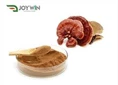
Ganoderma lucidum is a polypore fungus that grows on decaying hardwood trees in hot, humid environments across Asia, Europe, and North America. It is characterized by its distinctive kidney-shaped, glossy red-brown fruiting body with a woody texture. Unlike most edible mushrooms, reishi is too bitter and tough to eat directly - making concentrated extract powder the practical delivery form for its bioactive compounds.
Anatomy of a Reishi Supplement
Reishi mushroom extract can be derived from several parts of the organism:
* Fruiting body: The visible mushroom cap - the most traditional and bioactive-rich portion, containing the highest concentrations of beta-glucans and ganoderic acids
* Mycelium: The root-like network from which the fruiting body grows - contains bioactive compounds but is often grown on grain substrates, which can dilute potency
* Spores: Released from the underside of the fruiting body; contain bioactive compounds but have a hard outer shell that limits absorption unless "cracked" or "broken-wall" processed
For supplement formulation, fruiting body extract powder is generally considered the gold standard, as it contains the highest concentrations of the two most pharmacologically significant compound classes.
The ~400 Bioactive Compounds of Reishi
Ganoderma lucidum contains approximately 400 biologically active compounds, making it one of the most chemically complex medicinal mushrooms known to science. Among these, two classes stand out as primary drivers of its health effects:
|
Compound Class |
Key Examples |
Primary Biological Activities |
|
Polysaccharides (Beta-glucans) |
1,3-beta-D-glucan, Ganoderan A, B, C |
Immune modulation, anti-tumor, anti-inflammatory, blood sugar regulation |
|
Triterpenes (Ganoderic Acids) |
Ganoderic acid A, B, C2, Df, TR |
Anticancer, antiviral, antioxidant, antiplatelet, cholesterol synthesis inhibition |
|
Proteins & Peptides |
LZ-8 immunomodulatory protein |
Immune regulation, anti-allergic |
|
Sterols |
Ergosterol, ergosterol peroxide |
Anti-tumor, anti-inflammatory |
|
Nucleosides |
Adenosine, uridine |
Cardiovascular, anti-platelet |
|
Minerals |
Germanium, zinc, selenium |
Antioxidant enzyme support |
A 2025 comprehensive review published in Antioxidants (Basel) by researchers at the University of Agricultural Sciences and Veterinary Medicine of Cluj-Napoca confirmed that G. lucidum possesses "a rich history in traditional Asian medicine" and that its diverse bioactive components support "therapeutic properties including polysaccharides, triterpenoids, phenolic compounds, and other constituents."
Extract Standardization: Why It Matters
Not all reishi mushroom extract are equal. The most clinically validated products are standardized to a defined percentage of polysaccharides - typically 10–40% - ensuring consistent potency across batches. The Ganopoly extract used in multiple clinical trials, for example, was standardized to 25% polysaccharides.
Hot water extraction captures polysaccharides (beta-glucans), while alcohol extraction captures triterpenes (ganoderic acids). Dual extraction - using both water and alcohol - produces the most comprehensive bioactive profile and is considered the premium standard for reishi mushroom extract.

2. What Is Reishi Mushroom Extract Powder Good For? 8 Evidence-Based Benefits
Here is a thorough, science-backed breakdown of the eight most well-supported health benefits of reishi mushroom extract , each grounded in peer-reviewed research.
Benefit 1: Immune System Modulation - The Flagship Benefit
Immune support is the most extensively studied and most clinically validated benefit of reishi mushroom extract. The key word here is modulation - reishi doesn't simply "boost" immunity in a non-specific way; it intelligently regulates immune function, enhancing it when needed and calming it when overactive.
The mechanisms are well-characterized:
* Beta-glucan activation of innate immunity: The 1,3-beta-D-glucans in reishi bind to pattern recognition receptors (particularly Dectin-1 and TLR-2) on macrophages, dendritic cells, and natural killer (NK) cells, activating these frontline immune defenders
* T-cell modulation: Reishi polysaccharides help regulate T-lymphocyte function, supporting both Th1 (cell-mediated) and Th2 (humoral) immune responses
* Natural Killer (NK) cell activation: Reishi induces NK cell cytotoxicity against cancer cell lines via activation of NKG2D/NCR natural cytotoxic receptors and MAPK-signaling pathways, resulting in exocytosis of perforin and granulysin
* Dendritic cell maturation: Reishi polysaccharides promote dendritic cell maturation, enhancing antigen presentation and adaptive immune responses
* Anti-inflammatory regulation: Reishi triterpenes modulate NF-κB signaling pathways, reducing chronic low-grade inflammation without suppressing acute immune responses
Memorial Sloan Kettering Cancer Center (MSKCC) - one of the world's leading cancer research institutions - confirms in its integrative medicine database that reishi extracts have demonstrated immunomodulatory properties in both in vitro and in vivo studies, and that clinical studies indicate benefits in enhancing both immune and tumor response in cancer patients.
For supplement formulators, immune support is the most commercially compelling positioning for reishi mushroom extract, with strong consumer recognition and robust scientific backing.
Benefit 2: Cancer Supportive Care - Promising Adjunctive Evidence
Reishi mushroom extract powder has generated significant scientific interest for its potential role in cancer care - not as a standalone treatment, but as a supportive adjunct to conventional oncology.
A landmark cross-sectional survey published in Integrative Medicine Research (2024) by researchers from Memorial Sloan Kettering Cancer Center and Xiyuan Hospital (China Academy of Chinese Medical Sciences) surveyed Chinese cancer patients using reishi for symptom control. The study found that the most commonly reported benefits were improved fatigue, depression, nausea, and poor appetite - all critical quality-of-life parameters for cancer patients undergoing treatment.
The preclinical mechanistic evidence for reishi's anti-cancer properties is extensive:
* Triterpene-mediated tumor invasion inhibition: Ganoderic acids reduce matrix metalloproteinase (MMP) expression, limiting tumor invasion into surrounding tissue
* Anti-metastatic activity: Reishi triterpenes limit tumor metastasis by inhibiting cancer cell attachment to endothelial cells
* Cell cycle arrest: In ovarian cancer cells, reishi induced G2/M phase cell cycle arrest and activated caspase-3 to trigger apoptosis (programmed cell death)
* Colorectal adenoma suppression: Small clinical studies showed reishi suppressed the development of colorectal adenomas
* Enhanced radiotherapy efficacy: Preclinical findings indicate reishi enhances the efficacy of radiotherapy
* Chemotherapy nausea alleviation: Reishi has been shown to alleviate chemotherapy-induced nausea in preclinical models
A 2016 review cited by Healthline indicated that reishi mushroom could benefit people with cancer when used alongside traditional treatment by increasing white blood cell activity and improving quality of life.
The National Cancer Institute (NCI) has even registered a Phase II clinical trial (NCI-2023-06578) specifically investigating reishi mushroom extract for treating fatigue and joint/muscle pain in breast cancer patients - a significant institutional validation of the ingredient's clinical potential.
Important caveat: Reishi mushroom extract is not a cancer treatment and should never replace conventional oncology care. Its evidence-supported role is as a complementary supportive care agent that may improve quality of life and symptom management alongside standard treatment.
Benefit 3: Fatigue Reduction and Mental Well-Being
One of the most practically significant - and increasingly well-documented - benefits of reishi mushroom extract is its ability to reduce fatigue and support mental well-being.
The 2024 MSKCC cross-sectional study specifically identified improved fatigue as the most commonly reported benefit among cancer patients using reishi. A 2024 review cited by Healthline found that reishi polysaccharides may help decrease fatigue after exercise, and that reishi mushroom products helped reduce fatigue, anxiety, and depression in people with cancer.
The mechanisms underlying reishi's anti-fatigue effects include:
* Adaptogenic activity: Reishi modulates the hypothalamic-pituitary-adrenal (HPA) axis, helping the body adapt to physical and psychological stress
* Mitochondrial support: Reishi polysaccharides support mitochondrial function and ATP production, addressing fatigue at the cellular energy level
* Antioxidant protection: By reducing oxidative stress - a major contributor to fatigue - reishi helps preserve cellular energy efficiency
* Anti-inflammatory effects: Chronic inflammation is a primary driver of fatigue; reishi's NF-κB modulation reduces the inflammatory burden that depletes energy
For consumers dealing with chronic fatigue, post-illness recovery, or the demands of modern high-stress lifestyles, reishi mushroom extract represents a well-supported, non-stimulant natural option for sustained energy and resilience.
Benefit 4: Cardiovascular Health Support
Reishi mushroom extract has demonstrated multiple cardiovascular-protective properties through both preclinical and clinical research.
Key cardiovascular benefits supported by evidence include:
* Cholesterol management: Ganoderic acids inhibit HMG-CoA reductase - the same enzyme targeted by statin drugs - reducing cholesterol synthesis. More recent research confirms reishi supplementation helped decrease cholesterol levels and manage triglycerides and other lipid markers
* Anti-platelet aggregation: Adenosine and triterpenes in reishi inhibit platelet aggregation, reducing the risk of blood clot formation
* Blood pressure support: Reishi's ACE-inhibitory peptides may contribute to blood pressure regulation
* Antioxidant protection of cardiovascular tissue: Reishi increases plasma antioxidant capacity, protecting arterial walls and cardiac tissue from oxidative damage
MSKCC's integrative medicine database notes that reishi is used clinically to lower cholesterol and that clinical studies indicate benefits in improving dyslipidemia.
Memorial Sloan Kettering also notes that reishi has been reported to confer benefits in individuals with conditions such as atherosclerosis and hyperlipidemia - two of the most prevalent cardiovascular risk conditions globally.
Benefit 5: �� Blood Sugar Regulation
The evidence for reishi mushroom extract's effects on blood glucose management is particularly compelling at the mechanistic level, with multiple distinct pathways identified:
* Ganoderan polysaccharides (A, B, C): Injected polysaccharides demonstrated a 50% reduction in blood glucose in animal models, with Ganoderan B increasing insulin secretion and modulating glucose metabolism in liver tissue
* FYGL proteoglycan: A proteoglycan from G. lucidum called FYGL acts as a PTP1B competitive inhibitor, improving insulin sensitivity. At oral doses of 50–150 mg/kg in mice over 4 weeks, improvements in glucose and insulin sensitivity were observed, with the higher dose comparable to 300 mg/kg Metformin
* PEPCK suppression: Reishi reduces hepatic expression of phosphoenolpyruvate carboxykinase (PEPCK), decreasing endogenous glucose production in the liver
* AMPK activation: In vitro studies show AMPK activation and increased glucose uptake in fat cells
* Aldose reductase inhibition: Reishi is one of the most potent mushrooms at inhibiting aldose reductase - the enzyme that converts glucose to sorbitol, a key driver of diabetic complications including retinopathy
Examine.com's comprehensive research breakdown confirms that reishi polysaccharides "can act on pancreatic beta-cells where they induce Ca²⁺ influx into beta-cells to induce insulin secretion" and that "Ganoderma polysaccharides also exert an anti-oxidative protective effect on pancreatic beta-cells."
Clinical caveat: While preclinical evidence is strong, human clinical trial results for blood sugar management have been mixed. A 2016 study in humans found no effect on fasting blood sugar or HbA1c. More research in human populations is needed to fully establish clinical dosing protocols for glycemic management.
Benefit 6: Liver Protection (Hepatoprotective Effects)
The liver is the body's primary detoxification organ, and reishi mushroom extract has demonstrated meaningful hepatoprotective properties in both preclinical and clinical contexts.
MSKCC's integrative medicine database confirms that reishi extracts have demonstrated hepatoprotective properties in vitro and in vivo. The mechanisms include:
* Antioxidant defense: Reishi polysaccharides boost hepatic glutathione levels and superoxide dismutase (SOD) activity, protecting liver cells from oxidative damage
* Anti-inflammatory liver protection: Triterpenes reduce hepatic NF-κB activation, limiting liver inflammation
* Toxin neutralization support: Reishi supports Phase I and Phase II liver detoxification enzyme activity
* Renoprotective effects: Reishi has also demonstrated kidney-protective properties, complementing its hepatoprotective role
For supplement formulators targeting liver health, detoxification support, or metabolic wellness markets, reishi mushroom extract is a well-credentialed ingredient with both traditional use history and modern scientific validation.
Benefit 7: Antioxidant and Anti-Aging Defense
Oxidative stress - the imbalance between free radical production and antioxidant defense - is a primary driver of cellular aging, chronic disease, and tissue degeneration. Reishi mushroom extract is a potent multi-mechanism antioxidant.
The 2025 Antioxidants review published in PMC (Plosca et al.) specifically examined G. lucidum's antioxidant properties, confirming that its diverse bioactive components - including polysaccharides, triterpenoids, and phenolic compounds - collectively contribute to robust antioxidant activity through:
* Direct free radical scavenging: Phenolic compounds and triterpenes directly neutralize reactive oxygen species (ROS)
* Superoxide dismutase (SOD) induction: Reishi upregulates endogenous antioxidant enzyme production
* Glutathione system support: Reishi supports glutathione synthesis and recycling - the body's master antioxidant system
* Lipid peroxidation inhibition: Reishi protects cell membranes from oxidative damage
Small clinical studies have confirmed that reishi increased plasma antioxidant capacity in human subjects. This systemic antioxidant protection translates into meaningful anti-aging benefits at the cellular level, supporting healthy aging across multiple organ systems simultaneously.
Benefit 8: Lower Urinary Tract Symptom Relief
This is one of the most clinically validated - yet least discussed - benefits of reishi mushroom extract. Multiple clinical studies have demonstrated that reishi improves lower urinary tract symptoms (LUTS) in men, including:
* Nocturia (having to urinate at night)
* Weak urine flow
* Urinary frequency
* Urge incontinence
MSKCC's integrative medicine database specifically lists "lower urinary tract symptoms" as a clinically supported use of reishi, noting that clinical studies indicate its benefits in improving LUTS in men. The mechanism is believed to involve reishi's anti-inflammatory effects on the prostate and bladder, as well as its potential 5-alpha reductase inhibitory activity.
For supplement formulators targeting men's health, prostate support, or healthy aging markets, this is a compelling and well-documented benefit that differentiates reishi from many other functional mushroom ingredients.
3. Reishi Mushroom Extract Powder Benefits: Quick-Reference Summary
|
Health Benefit |
Evidence Level |
Key Mechanism |
Best Population |
|
Immune Modulation |
✅ Strong (multiple clinical studies) |
Beta-glucan receptor activation, NK cell stimulation |
General wellness, cancer support |
|
Cancer Supportive Care |
✅ Moderate-Strong (RCTs + clinical series) |
Apoptosis induction, NK activation, quality of life |
Cancer patients (adjunctive) |
|
Fatigue Reduction |
✅ Moderate (clinical surveys + RCTs) |
Adaptogenic, mitochondrial support, anti-inflammatory |
Chronic fatigue, cancer patients |
|
Cardiovascular Health |
✅ Moderate (preclinical + some clinical) |
HMG-CoA inhibition, anti-platelet, antioxidant |
High cholesterol, cardiovascular risk |
|
Blood Sugar Regulation |
⚠️ Moderate (strong preclinical; mixed clinical) |
Insulin secretion, PEPCK suppression, AMPK activation |
Pre-diabetic, metabolic syndrome |
|
Liver Protection |
✅ Moderate (preclinical + clinical) |
Antioxidant, anti-inflammatory, detox support |
Liver health, detoxification |
|
Antioxidant/Anti-Aging |
✅ Moderate (clinical + preclinical) |
ROS scavenging, SOD induction, glutathione support |
Healthy aging, general wellness |
|
Urinary Tract Symptoms |
✅ Moderate (clinical studies) |
Anti-inflammatory, 5-alpha reductase inhibition |
Men's health, prostate support |
4. Reishi Mushroom Extract Powder Forms: Which Is Best?
Understanding the different forms of reishi mushroom extract helps consumers and formulators make informed choices about product quality and efficacy.
Hot Water Extract (Polysaccharide-Rich)
* Captures beta-glucans and other water-soluble polysaccharides
* Best for immune modulation, anti-tumor, and blood sugar applications
* Typically standardized to 10–40% polysaccharides
* Most common form in clinical trials
Alcohol Extract (Triterpene-Rich)
* Captures ganoderic acids and other fat-soluble triterpenes
* Best for cardiovascular, liver protection, and anti-inflammatory applications
* Typically standardized to ganoderic acid content
* Bitter taste reflects high triterpene content (a quality indicator)
Dual Extract (Full-Spectrum)
* Combines hot water and alcohol extraction
* Captures both polysaccharides AND triterpenes
* Most comprehensive bioactive profile
* Recommended for premium supplement formulations
Spore Powder (Broken-Wall)
* Derived from reishi spores rather than fruiting body
* Requires "cracked" or "broken-wall" processing for bioavailability
* High in triterpenes; used in some clinical trials
* Important note: MSKCC warns that reishi spore powder may increase CA72-4 levels, potentially interfering with cancer treatment monitoring
Fruiting Body vs. Mycelium: The Quality Distinction
This is one of the most important quality considerations in the reishi supplement market:
* Fruiting body extracts contain the highest concentrations of beta-glucans and ganoderic acids - the most pharmacologically active compounds
* Mycelium products are often grown on grain substrates (rice, oats), meaning the finished powder may contain significant amounts of grain starch rather than mushroom bioactives
* Look for products that clearly specify fruiting body as the source and provide third-party testing confirming beta-glucan content
5. Dosage Guide for Reishi Mushroom Extract Powder
Dosing reishi mushroom extract correctly is essential for achieving the benefits documented in clinical research. Here's what the evidence recommends:
General Dosage Ranges
|
Product Form |
Typical Daily Dose |
Notes |
|
Dried mushroom powder (whole) |
1,500–6,000 mg/day |
Lower potency; higher volume needed |
|
Standardized extract powder (10–40% polysaccharides) |
500–1,500 mg/day |
Most common clinical trial range |
|
Ganopoly (25% polysaccharides) |
1,800 mg/day (600 mg × 3) |
Used in multiple RCTs |
|
Triterpene-rich extract |
150–500 mg/day |
Lower dose due to higher potency |
|
Dual extract powder |
500–1,000 mg/day |
Comprehensive profile; most versatile |
Timing and Administration
* Take with meals to improve tolerability and absorption of fat-soluble triterpenes
* Consistent daily use for 4–8 weeks minimum is recommended before assessing effects
* For immune support during illness or stress, some practitioners suggest temporary dose increases - consult a healthcare provider
A Note on Standardization
The most reliable clinical outcomes come from standardized extracts with defined polysaccharide content. When sourcing or recommending reishi mushroom extract, always look for standardization documentation - not just "reishi mushroom powder" without specification.
6. Safety Profile: An Honest Assessment
Reishi mushroom extract powder has a generally favorable safety profile, but an honest assessment requires acknowledging both its well-tolerated nature and its known risks.
Generally Well-Tolerated
At recommended doses for standard durations (up to 12 months), reishi mushroom extract is well-tolerated by most healthy adults. The most common side effects are mild and gastrointestinal in nature:
* Nausea
* Stomach upset or bloating
* Diarrhea
* Indigestion
Serious Adverse Events (Rare but Important)
MSKCC's clinical database documents several serious case reports that must be acknowledged:
* Hepatotoxicity: Two case reports of liver toxicity with powdered reishi mushroom, including one fatality - though causality was complicated by other factors
* Pseudoparasitosis/Chronic diarrhea: Reported in a patient with prolonged consumption of powdered reishi mushroom extract
* Hypereosinophilia with hepatic nodules: Reported in one patient
These cases are rare and often involve prolonged high-dose use or pre-existing conditions, but they underscore the importance of responsible use and medical supervision for vulnerable populations.
Drug Interactions - Critical Awareness
Reishi mushroom extract has clinically significant interactions with several medication classes:
* Anticoagulants (warfarin, heparin): Reishi's anti-platelet activity can increase bleeding risk - consult a physician before use
* Immunosuppressants: Reishi's immune-stimulating effects may counteract immunosuppressive medications (relevant for organ transplant patients)
* Antidiabetic medications: Reishi's blood sugar-lowering effects may have additive effects with insulin or oral hypoglycemics
* Chemotherapy agents: Potential interactions with specific chemotherapy drugs - oncology consultation required
Populations Who Should Avoid or Use Caution
* Pregnant or breastfeeding women (insufficient safety data)
* Children (insufficient pediatric safety data)
* Individuals with pre-existing liver or kidney disease
* Patients on anticoagulant therapy
* Organ transplant recipients on immunosuppressants
* Patients undergoing cancer treatment (consult oncologist first)
7. Reishi Mushroom Extract Powder vs. Other Functional Mushrooms
How does reishi compare to other popular medicinal mushrooms? Here's a practical comparison for consumers and formulators:
|
Mushroom |
Primary Benefit |
Key Compounds |
Best For |
Evidence Level |
|
Reishi (G. lucidum) |
Immune modulation, adaptogenic, cancer support |
Beta-glucans, ganoderic acids |
Immune health, stress, cancer support, liver |
Strong |
|
Lion's Mane (H. erinaceus) |
Neurological support, cognitive function |
Hericenones, erinacines |
Brain health, nerve regeneration |
Moderate |
|
Cordyceps (C. sinensis) |
Energy, athletic performance |
Cordycepin, adenosine |
Sports nutrition, energy, lung function |
Moderate |
|
Turkey Tail (T. versicolor) |
Immune support, gut health |
PSK, PSP polysaccharides |
Cancer adjunctive, microbiome |
Strong |
|
Chaga (I. obliquus) |
Antioxidant, anti-inflammatory |
Betulinic acid, melanin |
Antioxidant, skin health |
Moderate |
|
Shiitake (L. edodes) |
Cardiovascular, immune |
Lentinan, eritadenine |
Cholesterol, immune support |
Moderate |
Reishi mushroom extract stands out for its uniquely broad multi-system benefit profile - no other single functional mushroom has been as extensively studied across immune, oncological, cardiovascular, metabolic, hepatic, and neurological domains simultaneously. For formulators seeking a single high-impact mushroom ingredient, reishi is the most versatile choice.
8. Reishi Mushroom Extract Powder in Commercial Formulation
For food manufacturers, supplement brands, and product developers, reishi mushroom extract offers exceptional versatility across multiple product categories:
Supplement Applications
* Immune support capsules and tablets - the most established category
* Adaptogen and stress support blends - often combined with ashwagandha, rhodiola, and holy basil
* Functional mushroom complexes - combined with lion's mane, cordyceps, turkey tail
* Cancer supportive care supplements - for integrative oncology applications
* Men's health formulas - targeting urinary tract and prostate support
* Liver health and detox formulas - combined with milk thistle, NAC, and dandelion
Functional Food and Beverage Applications
* Mushroom coffee and tea blends - one of the fastest-growing functional beverage categories
* Protein powders and meal replacements - adding immune and adaptogenic benefits
* Functional chocolate and confectionery - the bitter notes of reishi complement dark chocolate
* Beauty-from-within supplements - leveraging antioxidant and anti-aging properties
Market Opportunity
The global medicinal mushroom market is experiencing explosive growth, driven by:
* Rising consumer interest in natural immune support (accelerated post-pandemic)
* Growing adoption of adaptogenic and stress-management supplements
* Expanding integrative oncology and cancer supportive care market
* Increasing scientific validation attracting mainstream health consumers
* Strong social media and wellness influencer promotion of functional mushrooms
9. How to Source Premium Reishi Mushroom Extract Powder
For formulators and procurement professionals, ingredient quality is the non-negotiable foundation of product efficacy. Here's the complete quality checklist:
Quality Parameters for Reishi Mushroom Extract
|
Parameter |
What to Look For |
|
Source material |
Fruiting body (not mycelium on grain) |
|
Extraction method |
Dual extraction (water + alcohol) for full spectrum |
|
Standardization |
Defined % polysaccharides (10–40%) and/or triterpenes |
|
Beta-glucan content |
Third-party verified (not just total polysaccharides) |
|
Heavy metals |
Below regulatory limits (Pb, As, Hg, Cd) |
|
Pesticide residues |
Tested and within regulatory limits |
|
Microbial testing |
Total plate count, yeast & mold, coliforms, pathogens |
|
Certifications |
cGMP, FSSC 22000, Kosher, Halal, ISO 22000 |
|
Documentation |
Full COA, MSDS, allergen statement, non-GMO declaration |
|
Traceability |
Clear supply chain from cultivation to finished extract |
The Beta-Glucan Verification Issue
One of the most important quality considerations in the reishi market is the distinction between total polysaccharides and actual beta-glucan content. Many lower-quality products report high "polysaccharide" percentages that include grain starch from mycelium cultivation substrates - not true mushroom beta-glucans. Always request third-party beta-glucan testing from your supplier.
At Joywin Natural, we specialize in the manufacture and supply of premium plant extracts and functional mushroom ingredients, including reishi mushroom extract. Our facilities hold BRC, FSSC 22000, cGMP, Kosher, Halal, ISO 9001, ISO 14001, and ISO 22000 certifications. We provide full standardization documentation, third-party testing verification, and comprehensive regulatory support for global markets. Our biotechnology expertise ensures that every batch of reishi mushroom extract delivers the consistent, clinically relevant bioactive profile your formulations require.
10. Frequently Asked Questions About Reishi Mushroom Extract Powder
Q: How long does it take for reishi mushroom extract to work? Most clinical studies show measurable effects after 4–8 weeks of consistent daily supplementation. Immune modulation effects may be observed earlier, while benefits for fatigue, cholesterol, and urinary symptoms typically require 6–12 weeks of sustained use.
Q: What does reishi mushroom extract taste like? Reishi has a distinctly bitter taste - a quality indicator, as bitterness reflects high triterpene (ganoderic acid) content. This is why most consumers prefer capsules or tablets over loose powder. In functional beverages, the bitterness can be balanced with complementary flavors.
Q: Can reishi mushroom extract be taken every day? Yes - daily use is the standard protocol in clinical trials, and most studies have been conducted over periods of 1–12 months. For long-term use beyond 12 months, periodic reassessment with a healthcare provider is recommended given limited long-term safety data.
Q: Is reishi mushroom extract safe for cancer patients? Reishi is used by many cancer patients for symptom management, and the MSKCC cross-sectional study documented meaningful benefits for fatigue, nausea, and depression. However, cancer patients must consult their oncologist before use, as reishi can interact with certain chemotherapy agents and may affect tumor marker tests (CA72-4).
Q: What is the difference between reishi mushroom powder and reishi mushroom extract ? Reishi mushroom powder is simply dried, ground whole mushroom - lower potency, higher volume needed. Reishi mushroom extract is concentrated and standardized, delivering significantly higher levels of bioactive compounds (beta-glucans, ganoderic acids) per gram. For therapeutic applications, extract powder is strongly preferred.
Q: Can reishi be combined with other mushroom extracts? Yes - reishi combines exceptionally well with other functional mushrooms. Popular combinations include reishi + lion's mane (immune + cognitive), reishi + cordyceps (immune + energy), and reishi + turkey tail (comprehensive immune support). These blends are among the fastest-growing segments in the functional mushroom market.
Conclusion: What Is Reishi Mushroom Extract Powder Good For? Everything.
Few natural ingredients can match the breadth, depth, and quality of scientific evidence supporting reishi mushroom extract. From immune modulation and cancer supportive care to fatigue reduction, cardiovascular protection, blood sugar regulation, liver health, antioxidant defense, and urinary tract support - reishi delivers a genuinely multi-system benefit profile that has been validated across thousands of years of traditional use and hundreds of modern peer-reviewed studies.
The ancient Chinese physicians who called it the "Mushroom of Immortality" were, in their own way, recognizing something that modern science is now confirming with rigorous methodology: Ganoderma lucidum is a remarkable biological entity whose complex chemistry interacts with human physiology in profoundly beneficial ways.
The key to unlocking these benefits lies in choosing the right form - dual-extracted, fruiting body-derived, standardized reishi mushroom extract from a certified, reputable supplier - and using it consistently at clinically validated doses. With those foundations in place, reishi mushroom extract is one of the most powerful, versatile, and well-evidenced functional ingredients available in the modern nutraceutical toolkit. If you want to know more about Reishi Mushroom Extract Powder or are interested in purchasing it, you can send an email to contact@joywinworld.com. We will reply to you as soon as possible after we see the message.