

In the dynamic world of functional foods and dietary supplements, few ingredients have garnered as much scientific and commercial attention as Inulin Prebiotic Powder . This unique prebiotic fiber, found naturally in thousands of plant species, has transitioned from a simple dietary component to a powerhouse ingredient for health and wellness formulations. But for manufacturers and product developers, a fundamental question must be answered with precision: What is the function of inulin?
The answer is multifaceted. Inulin functions as a prebiotic to support gut health, a soluble fiber to promote regularity, a bioactive compound to enhance mineral absorption, and a versatile texturizer to improve the sensory profile of low-fat, low-sugar, and high-fiber foods. Its ability to perform both physiological and functional roles makes it an indispensable tool in the modern formulator's toolkit.
At Chongqing Joywin Natural Products Co., Ltd., we don't just supply inulin; we are the world's largest manufacturer of organic inulin and Jerusalem artichoke inulin. With a deep expertise rooted in innovation since 2013, we are uniquely positioned to explain the science and application of this remarkable ingredient. In this comprehensive guide, we will explore every facet of inulin's function, from its impact on the human microbiome to its texturizing properties in food matrices, always citing authoritative sources and adhering to the highest standards of quality and efficacy.
What is Inulin? A Botanical and Chemical Overview
Before diving into its functions, we must understand what inulin is. Chemically, Inulin Prebiotic Powder is a group of naturally occurring polysaccharides produced by many types of plants. It belongs to a class of dietary fibers known as fructans. Its structure consists of a chain of fructose molecules (linked by β-(2,1) glycosidic bonds) that typically terminates with a glucose molecule.
The length of these fructose chains, known as the degree of polymerization (DP), can vary significantly. Inulin with a shorter chain length is often called oligofructose or FOS (fructooligosaccharides), while inulin with a longer chain length is referred to as high-performance inulin or long-chain inulin. This structural variation directly influences its function, both in the human body and as a food ingredient.
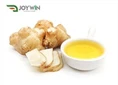
In nature, plants like chicory root, Jerusalem artichoke, garlic, and onion store inulin as an energy reserve. For commercial production, chicory root and Jerusalem artichoke are the primary sources. Joywin's expertise lies in harnessing the power of these natural sources, particularly as the world's leading manufacturer of organic inulin and Jerusalem artichoke inulin.

The Primary Physiological Functions of Inulin Prebiotic Powder
Inulin's most celebrated functions relate to its journey through the human digestive system. Because the β-(2,1) bonds between its fructose units cannot be broken by human digestive enzymes in the small intestine, inulin resists digestion and passes into the large intestine intact. This is the foundation of its prebiotic function.
1. Function as a Prebiotic: Fueling a Healthy Gut Microbiome
The foremost function of inulin is its role as a prebiotic. The International Scientific Association for Probiotics and Prebiotics (ISAPP) defines a prebiotic as "a substrate that is selectively utilized by host microorganisms conferring a health benefit."
In the colon, inulin becomes a selective food source for beneficial bacteria, most notably Bifidobacteria and Lactobacilli.
* Selective Fermentation: Unlike some fibers that are fermented by a wide range of gut bacteria (including potentially harmful ones), inulin is selectively fermented by beneficial species. This promotes their growth and activity, effectively shifting the balance of the gut microbiome toward a healthier profile.
* Production of Short-Chain Fatty Acids (SCFAs): When gut bacteria ferment inulin, they produce key metabolites called short-chain fatty acids, primarily acetate, propionate, and butyrate. These SCFAs are critical for health:
- Butyrate is the primary energy source for colonocytes (cells lining the colon), promoting a healthy gut barrier and reducing inflammation.
- Propionate travels to the liver, where it can influence glucose and cholesterol metabolism.
- Acetate enters peripheral circulation and is used for energy metabolism by other tissues.
What this means for formulators: By incorporating inulin powder into your supplements or functional foods, you are providing a direct mechanism for consumers to support their gut health, immunity (as a large part of the immune system resides in the gut), and overall metabolic wellness.
2. Function in Digestive Health and Regularity
As a soluble fiber, inulin has the ability to absorb water and form a gel-like substance in the digestive tract. This provides several key functions:
* Promoting Regularity: By increasing stool bulk and softening its consistency, inulin helps to alleviate constipation and promote regular, comfortable bowel movements. It acts as a gentle, non-irritating bulking agent.
* Slowing Gastric Emptying: The gel-forming property can also slightly slow down the emptying of the stomach, which can contribute to increased satiety (feeling full).
3. Function in Mineral Absorption
One of the most significant, yet sometimes overlooked, functions of inulin is its ability to enhance the absorption of essential minerals, particularly calcium and magnesium.
* Mechanism: The fermentation of inulin in the colon produces SCFAs, which lower the pH in the large intestine. This more acidic environment increases the solubility of minerals like calcium, making them easier to absorb across the intestinal wall.
* Scientific Evidence: Numerous human studies, particularly in adolescents and postmenopausal women (groups at risk for low bone density), have shown that daily consumption of Inulin Prebiotic Powder can significantly increase calcium absorption and improve bone mineral density. A study published in the American Journal of Clinical Nutrition found that consuming a combination of short-chain and long-chain inulin enhanced calcium absorption in adolescents.
What this means for formulators: This function positions inulin powder as a valuable ingredient in bone health supplements, products for women's health, and formulations targeting aging populations concerned about osteoporosis.
4. Function in Appetite Regulation and Weight Management
By promoting satiety and potentially influencing hunger hormones, inulin can play a supportive role in weight management strategies.
* Increased Satiety: As a fermentable fiber, inulin can increase the production of gut hormones like peptide YY (PYY) and glucagon-like peptide-1 (GLP-1), which signal fullness to the brain. This can help reduce overall calorie intake.
* Blood Sugar Stability: Inulin does not raise blood glucose or insulin levels because it is not digested in the small intestine. When used to replace high-glycemic carbohydrates or sugars in foods, it can help lower the overall glycemic response of a meal, contributing to more stable energy levels and reduced cravings.
5. Function in Immune Support
The gut is the body's largest immune organ, and the health of the gut microbiome is inextricably linked to immune function. By fostering a healthy balance of gut bacteria and promoting the production of SCFAs (like butyrate, which has anti-inflammatory effects), inulin indirectly supports a robust and well-regulated immune system. A healthy gut barrier, supported by butyrate, also helps prevent the translocation of harmful bacteria and endotoxins into the bloodstream.
The Technological Functions of Inulin Prebiotic Powder in Food and Supplement Formulation
Beyond its profound physiological benefits, inulin is a formulator's dream ingredient because of its versatile technological functions. These properties allow manufacturers to improve the nutritional profile of their products without compromising on taste or texture.
1. Function as a Fat Replacer and Texturizer
One of the most valuable functions of inulin powder, particularly long-chain inulin, is its ability to mimic the mouthfeel and texture of fat. When mixed with water or other liquids, the microscopic crystals of inulin form a smooth, creamy gel that provides a fat-like sensation on the palate.
* Application: This makes it an excellent ingredient for reduced-fat products such as spreads, dairy products (yogurt, ice cream), sauces, and meat products. It helps restore the creamy texture lost when fat is removed, allowing for "guilt-free" indulgence.
2. Function as a Sugar Replacer and Bulking Agent
While not as sweet as sugar, inulin possesses a mild, clean sweetness (approximately 10% of the sweetness of sucrose) without any unpleasant aftertaste. More importantly, its soluble fiber nature allows it to function as an excellent bulking agent in reduced-sugar formulations.
* Application: When formulators replace sugar with high-intensity sweeteners, they often lose the bulk and mouthfeel that sugar provides. Inulin can fill this role, adding back the necessary solids and texture. It is widely used in:
- Confectionery: To create sugar-free or reduced-sugar chocolates and candies.
- Baked Goods: To improve moisture retention and texture in high-fiber or reduced-sugar baked products.
- Beverages: To add mouthfeel and body to low-sugar drinks and protein shakes.
3. Function in Improving Solubility and Stability
Inulin is relatively soluble in water, and its stability across a wide range of pH levels and temperatures makes it easy to process. It does not break down under the high heat of baking or pasteurization, retaining its prebiotic functionality in the final product.
4. Function as a Prebiotic Fiber for Fortification
Perhaps its simplest technological function is as a vehicle for fiber fortification. Many consumers fall short of their daily fiber intake. By adding inulin powder to everyday foods like bread, pasta, cereals, bars, and beverages, manufacturers can easily boost the fiber content, allowing for beneficial nutrient content claims on packaging (e.g., "Good source of fiber," "High in fiber").
Inulin Specifications: Why Degree of Polymerization Matters
As mentioned earlier, not all Inulin Prebiotic Powder is created equal. The degree of polymerization (DP) is a critical specification that dictates its function.
|
Specification |
Typical DP Range |
Key Physiological Function |
Key Technological Function |
Best Applications |
|
Standard Inulin |
2-60 (average 10-12) |
Prebiotic, digestive health, mineral absorption |
Moderate fat replacer, bulking agent |
General fiber fortification, baking, cereals |
|
Long-Chain Inulin (High-Performance) |
10-60 (average >23) |
Slower fermentation, more pronounced prebiotic effect deeper in colon |
Excellent fat replacer, forms strong gels, improves texture |
Low-fat dairy, ice cream, meat products, spreads |
|
Oligofructose / FOS |
2-10 |
Rapid fermentation, strong prebiotic effect |
Higher sweetness, high solubility, sugar-like properties |
Beverages, dairy drinks, nutritional bars |
At Joywin, we offer various specifications of inulin powder, including our renowned organic inulin and Jerusalem artichoke inulin, allowing you to select the exact functional profile your product requires.
Safety, Dosage, and Formulation Considerations
Inulin is generally recognized as safe (GRAS) by the FDA and has been approved for use in foods and supplements globally. It is well-tolerated, but as with any fermentable fiber, high intakes can lead to gastrointestinal effects such as gas and bloating in some individuals, particularly if introduced too quickly.
Formulation Tips for Manufacturers:
* Start Low, Go Slow: For consumer-facing products, recommend a gradual introduction. For the product itself, consider the total serving size of inulin.
* Blend for Tolerance: Combining different chain lengths (e.g., standard inulin with oligofructose) can sometimes improve tolerance while maximizing the prebiotic effect across the entire colon.
* Dosage: To achieve a prebiotic effect, studies typically use doses ranging from 5 to 15 grams per day. For fiber fortification or technological benefits, lower doses can be used.
* Hydration: In baked goods and dry mixes, inulin can compete for water, so formulations may need slight adjustments.
Conclusion
Inulin Prebiotic Powder is far more than just a fiber. Its multifaceted functions-from selectively nourishing beneficial gut bacteria and enhancing mineral absorption to improving the taste and texture of healthier foods-make it an essential ingredient for the modern food and supplement industry. Whether your goal is to create a groundbreaking prebiotic supplement, a delicious high-fiber snack, or a creamy low-fat dairy product, inulin provides the science-backed functionality to achieve it.
By partnering with Joywin, you are not just buying an ingredient; you are leveraging the expertise of the world's leading inulin manufacturer. You are ensuring that your products are built on a foundation of unmatched quality, purity, and efficacy.
JOYWIN founded in 2013 is the largest organic inulin and Jerusalem artichoke inulin manufacturer in the world. We supply products with high quality, strict quality control, and independent testing to guarantee the high specification of our products. Holding inulin workshops, plant protease workshops, and warehouses also own cutting-edge facilities and strict quality control systems. As leading inulin manufacturers in China, we are FSSC22000, ISO9001, ISO14001, ISO22000, BRC, and Cgmp-certified factory. If you want to know more about Inulin Prebiotic Powder or are interested in purchasing it, you can send an email to contact@joywinworld.com. We will reply to you as soon as possible after we see the message.