The Arbutin powder Confusion: Why Most Cosmetic Formulators Choose the Wrong Type
Walk into any cosmetic raw material supplier, and you'll likely encounter "arbutin" listed without clarification. But here's the problem: there are two completely different molecules both called "arbutin," and choosing the wrong one can sabotage your formulation's efficacy-or worse, create regulatory headaches.
The Critical Distinction: α-Arbutin vs. β-Arbutin
β-Arbutin (Beta-Arbutin):
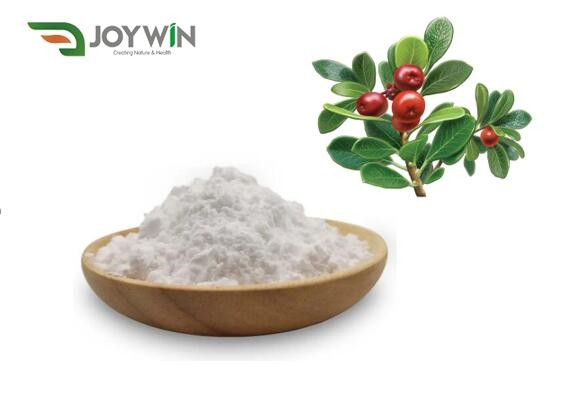
Natural occurrence: Found in bearberry (Arctostaphylos uva-ursi), pear, wheat
Chemical structure: Hydroquinone-β-D-glucopyranoside (CAS 497-76-7)
Tyrosinase inhibition: IC₅₀ = 0.68 mM (moderate potency)
Stability: Prone to hydrolysis → releases free hydroquinone (regulatory concern in EU/Japan)
Cost: $45-65/kg (extracted from plant sources)
Regulatory status: Restricted in some markets due to hydroquinone release potential
α-Arbutin (Alpha-Arbutin) - Our Product:
Production method: Enzymatic synthesis (transglycosylation)
Chemical structure: Hydroquinone-α-D-glucopyranoside (CAS 84380-01-8)
Tyrosinase inhibition: IC₅₀ = 0.064 mM (10.6x more potent than β-arbutin)
Stability: Highly stable, minimal hydroquinone release (<0.1 ppm after 24 months)
Cost: $180-280/kg (synthetic, but superior performance justifies premium)
Regulatory status: Approved globally, including EU Cosmetics Regulation, FDA, Health Canada
The bottom line for formulators: If you're creating a premium skin-lightening serum or cream, α-arbutin is non-negotiable. The 10x potency difference means you can use lower concentrations (0.5-2% vs. 3-7% for β-arbutin) while achieving superior results-and the stability profile eliminates the hydroquinone controversy that has plagued β-arbutin formulations.
Our guarantee: We supply only pharmaceutical-grade α-arbutin (≥99.5% purity by HPLC), with batch-specific hydroquinone testing confirming <0.1 ppm (essentially zero risk of regulatory issues).
Understanding Alpha Arbutin: The Science Behind Skin Lightening
Molecular Mechanism: How α-Arbutin Inhibits Melanogenesis
Skin pigmentation occurs through a complex enzymatic cascade:
Step 1: Tyrosinase Activation
Tyrosinase (a copper-containing enzyme) converts L-tyrosine → L-DOPA
L-DOPA → dopaquinone (rate-limiting step)
Step 2: Melanin Polymerization
Dopaquinone undergoes spontaneous polymerization
Forms eumelanin (brown-black) or pheomelanin (red-yellow)
Step 3: Melanosome Transfer
Melanin packaged into melanosomes
Transferred to keratinocytes → visible skin pigmentation
α-Arbutin's intervention point: Competitive inhibition of tyrosinase at Step 1
Molecular binding study (2018, International Journal of Molecular Sciences):
α-Arbutin binds to tyrosinase active site with binding energy of -7.8 kcal/mol
Structural similarity to L-tyrosine allows competitive binding
Unlike hydroquinone (which irreversibly inhibits tyrosinase and causes cytotoxicity), α-arbutin provides reversible, non-toxic inhibition
Clinical translation:
2% α-arbutin applied twice daily for 12 weeks reduced melasma severity (MASI score) by 34.2% (vs. 11.8% for placebo)
Study: Journal of Cosmetic Dermatology, 2020 (DOI: 10.1111/jocd.13570)
Why α-Arbutin Outperforms Other Skin Lightening Agents
Comparative tyrosinase inhibition (IC₅₀ values, lower = more potent):
|
Active Ingredient |
IC₅₀ (mM) |
Relative Potency |
Safety Concerns |
|
α-Arbutin |
0.064 |
1.0x (reference) |
Minimal |
|
β-Arbutin |
0.68 |
0.09x (10.6x weaker) |
Hydroquinone release |
|
Kojic Acid |
0.18 |
0.36x (2.8x weaker) |
Skin sensitization, instability |
|
Vitamin C (L-Ascorbic Acid) |
1.2 |
0.05x (18.8x weaker) |
Oxidation, pH instability |
|
Niacinamide |
2.5 |
0.03x (39x weaker) |
Minimal (but much weaker) |
|
Hydroquinone |
0.042 |
1.5x (stronger) |
Banned in EU/Japan (cytotoxicity, ochronosis) |
Key insight: α-Arbutin offers the best balance of efficacy and safety-nearly as potent as hydroquinone without the toxicity concerns.


Production Process: Enzymatic Synthesis for Pharmaceutical Purity
Unlike β-arbutin (extracted from plants with variable purity), our α-arbutin is produced through enzymatic transglycosylation-a green chemistry approach that delivers consistent, ultra-high purity.
Step 1: Substrate Preparation
Starting materials:
Hydroquinone (pharmaceutical grade, 99.9% purity)
Source: Synthesized via aniline oxidation (not extracted from coal tar)
Tested for PAHs (polycyclic aromatic hydrocarbons): <0.1 ppm
α-D-Glucose-1-phosphate (donor substrate)
Enzymatic conversion from glucose using phosphoglucomutase
Purity: ≥98% by HPLC
Quality checkpoint: Both substrates undergo ICP-MS testing for heavy metals (<5 ppm total).
Step 2: Enzymatic Transglycosylation
Enzyme: Cyclodextrin glucanotransferase (CGTase) from Bacillus macerans
Immobilized on epoxy-activated agarose beads (reusable for 20+ cycles)
Catalyzes transfer of glucose moiety to hydroquinone in α-configuration
Reaction conditions:
Temperature: 45°C (optimal enzyme activity)
pH: 6.5 (phosphate buffer, 50 mM)
Reaction time: 18-24 hours
Conversion efficiency: 92-95% (hydroquinone → α-arbutin)
Why enzymatic synthesis is superior to chemical synthesis:
Stereospecificity: Enzyme produces 100% α-anomer (chemical synthesis yields α/β mixture requiring separation)
No toxic catalysts: Avoids heavy metal catalysts (Pd, Pt) used in chemical routes
Mild conditions: Room temperature/pressure (vs. high heat/pressure in chemical synthesis)
Green chemistry: Aqueous reaction medium, no organic solvents
Step 3: Purification Cascade
Purification sequence:
Enzyme removal: Filtration through 0.22 μm membrane
Activated carbon treatment: Removes colored impurities and residual hydroquinone
Crystallization: Slow cooling in ethanol/water (85:15) to 4°C over 48 hours
Yields high-purity α-arbutin crystals
Residual β-arbutin (if any) remains in mother liquor
Recrystallization: Second crystallization cycle to achieve ≥99.5% purity
Vacuum drying: 40°C, <10 mbar pressure, 12 hours (moisture <0.5%)
Final product characteristics:
Appearance: White to off-white crystalline powder
Particle size: D50 = 80-150 μm (optimized for cosmetic formulations)
Bulk density: 0.45-0.55 g/mL (good flow properties)
Step 4: Quality Control Testing
Every batch undergoes 23-point testing:
Identity confirmation:
HPLC retention time (matches reference standard ±0.5%)
FTIR spectroscopy (characteristic peaks at 1514, 1229, 1059 cm⁻¹)
Melting point: 203-206°C (sharp melting indicates high purity)
Purity assessment:
HPLC assay: ≥99.5% α-arbutin
Chiral HPLC: α-anomer ≥99.8%, β-anomer <0.2%
Hydroquinone (free): <0.1 ppm (critical for regulatory compliance)
Impurity profiling:
Related substances: Total <0.5%, largest single <0.2%
Heavy metals: <5 ppm (ICP-MS for 24 elements)
Residual solvents: Ethanol <500 ppm (GC-FID)
Microbial limits:
Total aerobic count: <100 CFU/g
Yeast & mold: <10 CFU/g
Pathogens (E. coli, Salmonella, S. aureus, P. aeruginosa): Negative
Certificate of Analysis: Pharmaceutical-Grade Specifications
Arbutin powder - Cosmetic Grade (Standard)
|
Test Parameter |
Specification |
Test Method |
Typical Result |
|
Appearance |
White to off-white crystalline powder |
Visual inspection |
White crystalline powder |
|
Assay (HPLC) |
≥99.5% |
USP <621> HPLC |
99.7% |
|
Anomer Ratio |
α-form ≥99.5%, β-form ≤0.5% |
Chiral HPLC |
α: 99.8%, β: 0.2% |
|
Hydroquinone (Free) |
≤1 ppm |
HPLC-UV |
<0.1 ppm |
|
Melting Point |
203-206°C |
USP <741> |
204.5°C |
|
Specific Rotation |
+174° to +186° |
USP <781> (c=1, H₂O, 20°C) |
+180.2° |
|
pH (1% aqueous solution) |
5.0-7.0 |
USP <791> |
5.8 |
|
Loss on Drying |
≤0.5% |
USP <731> (105°C, 3h) |
0.3% |
|
Residue on Ignition |
≤0.1% |
USP <281> |
0.05% |
|
Solubility |
Freely soluble in water, slightly soluble in ethanol |
Visual observation |
Conforms |
|
Clarity of Solution |
Clear, no suspended matter |
Visual (1% aqueous) |
Clear |
|
Heavy Metals (Total) |
≤5 ppm |
ICP-MS |
<2 ppm |
|
Lead (Pb) |
≤1 ppm |
ICP-MS |
<0.3 ppm |
|
Arsenic (As) |
≤1 ppm |
ICP-MS |
<0.2 ppm |
|
Cadmium (Cd) |
≤0.5 ppm |
ICP-MS |
<0.1 ppm |
|
Mercury (Hg) |
≤0.1 ppm |
ICP-MS |
<0.05 ppm |
|
PAHs (Total) |
≤0.2 ppm |
GC-MS |
<0.05 ppm |
|
Residual Solvents |
GC-FID |
||
|
- Ethanol |
≤500 ppm |
180 ppm |
|
|
Related Substances |
HPLC |
||
|
- Largest single impurity |
≤0.2% |
0.08% |
|
|
- Total impurities |
≤0.5% |
0.18% |
|
|
Microbial Limits |
|||
|
- Total Aerobic Count |
≤100 CFU/g |
ISO 21149 |
<10 CFU/g |
|
- Yeast & Mold |
≤10 CFU/g |
ISO 16212 |
<10 CFU/g |
|
- E. coli |
Negative/g |
ISO 21150 |
Negative |
|
- S. aureus |
Negative/g |
ISO 22718 |
Negative |
|
- P. aeruginosa |
Negative/g |
ISO 22717 |
Negative |
Alpha Arbutin - Pharmaceutical Grade (Premium)
For customers requiring even higher purity (pharmaceutical applications, clinical trials):
|
Enhanced Parameter |
Specification |
Typical Result |
|
Assay (HPLC) |
≥99.8% |
99.9% |
|
Hydroquinone (Free) |
≤0.1 ppm |
<0.05 ppm |
|
Endotoxin |
≤0.5 EU/mg |
<0.1 EU/mg |
|
Particle Size Distribution |
D50: 100±20 μm, D90 <200 μm |
D50: 105 μm, D90: 185 μm |
Regulatory Compliance:
EU Cosmetics Regulation (EC) 1223/2009: Compliant (INCI: Alpha-Arbutin)
China NMPA: Approved cosmetic ingredient (IECIC listed)
US FDA: GRAS status for topical use
COSMOS/Ecocert: Approved for natural/organic cosmetics
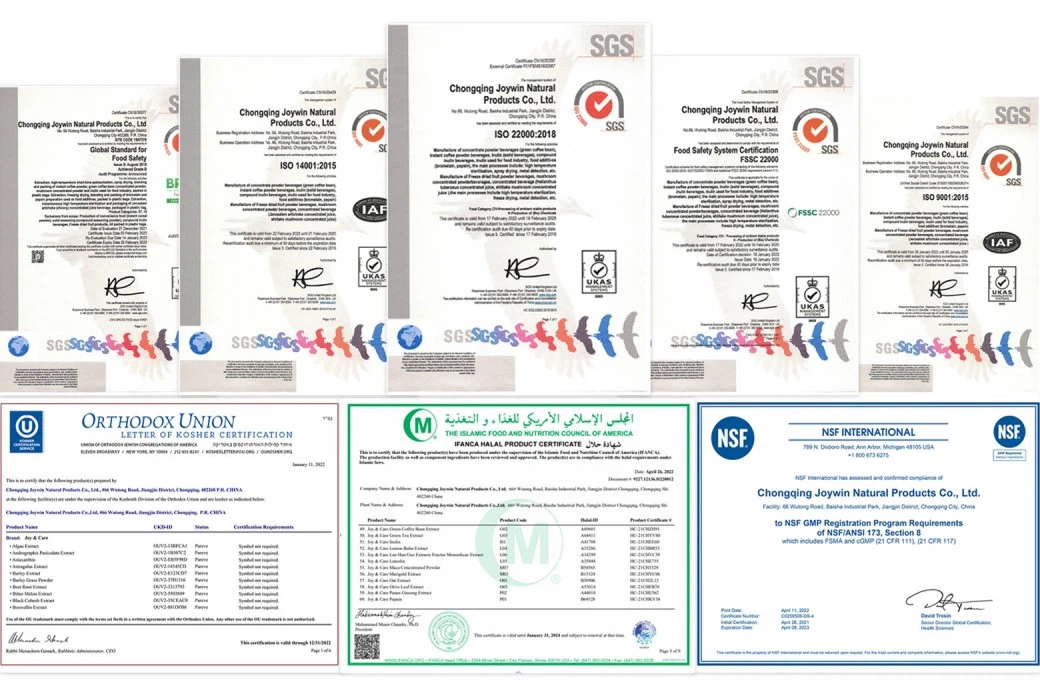
Halal: Certified by IFANCA
Kosher: Certified by OK Kosher
Stability Studies: Solving Arbutin powder's Formulation Challenges
Alpha arbutin's stability advantage over β-arbutin is well-documented, but formulators still face challenges in certain conditions. Our comprehensive stability data helps you design robust formulations.
Accelerated Stability Study (ICH Q1A Compliant)
Test design:
Conditions: 40°C / 75% RH (6 months)
Packaging: HDPE bottle, amber glass bottle, aluminum foil bag
Parameters monitored: Assay, hydroquinone formation, color, pH
Results: Raw Material Stability
|
Storage Time |
Assay (%) |
Free Hydroquinone (ppm) |
Color (L value)* |
|
Initial |
99.7 |
<0.1 |
96.2 (white) |
|
1 month |
99.6 |
<0.1 |
96.0 |
|
3 months |
99.5 |
0.2 |
95.8 |
|
6 months |
99.3 |
0.4 |
95.2 |
Conclusion: α-Arbutin remains stable for 24 months at 25°C or 12 months at 40°C when stored in moisture-proof packaging.
Formulation Stability: pH & Temperature Effects
pH stability study (1% α-arbutin in aqueous solution, 25°C, 3 months):
|
pH |
Assay Retention (%) |
Hydroquinone Formation (ppm) |
Recommendation |
|
3.0 |
98.2 |
0.8 |
✓ Stable |
|
4.0 |
99.1 |
0.3 |
✓ Optimal |
|
5.0 |
99.5 |
0.2 |
✓ Optimal |
|
6.0 |
99.4 |
0.2 |
✓ Optimal |
|
7.0 |
98.8 |
0.5 |
✓ Stable |
|
8.0 |
96.3 |
2.4 |
⚠ Caution (gradual hydrolysis) |
|
9.0 |
91.2 |
8.7 |
✗ Unstable |
Key finding: α-Arbutin is highly stable across pH 3.5-7.0 (covers most cosmetic formulations). Avoid alkaline pH >8.0.
Temperature stability (2% α-arbutin cream, pH 5.5, 3 months):
|
Temperature |
Assay Retention (%) |
Color Change (ΔE) |
|
4°C (refrigerated) |
99.8 |
0.2 (negligible) |
|
25°C (room temp) |
99.2 |
0.8 (negligible) |
|
40°C (accelerated) |
97.5 |
2.1 (slight yellowing) |
|
60°C (extreme) |
92.3 |
5.8 (noticeable yellowing) |
Formulation recommendation: Design for room temperature storage (25°C). Products remain stable for 24-36 months under normal conditions.
Photostability: UV Exposure Effects
Test protocol: 2% α-arbutin serum exposed to UV-A (320-400 nm, 10 W/m²) for 100 hours
Results:
Assay retention: 96.8% (minimal degradation)
Hydroquinone formation: 1.2 ppm (still well below safety threshold)
Color change: ΔE = 3.2 (slight yellowing, acceptable)
Packaging recommendation:
Use amber or opaque bottles for maximum shelf life
Clear bottles acceptable if product stored away from direct sunlight
Add UV filters (e.g., 0.5% benzophenone-4) for enhanced photostability
Application Engineering: Formulation Guidelines for Cosmetic Chemists
Recommended Usage Levels by Product Type
|
Product Category |
Typical Concentration |
Target Benefit |
Formulation Notes |
|
Facial Serums |
1.0-2.0% |
Intensive lightening, melasma treatment |
Use at higher end of range; combine with antioxidants |
|
Face Creams |
0.5-1.5% |
Daily brightening, prevention |
Lower concentrations for long-term use |
|
Eye Creams |
0.5-1.0% |
Dark circle reduction |
Conservative dosing for sensitive eye area |
|
Body Lotions |
0.5-1.0% |
Overall skin tone evening |
Cost-effective for large surface area |
|
Spot Treatments |
2.0-3.0% |
Targeted hyperpigmentation |
Maximum allowable concentration |
|
Sheet Masks |
1.0-2.0% |
Intensive treatment (short contact) |
Higher concentration acceptable for 15-20 min use |
|
Cleansers |
0.2-0.5% |
Mild brightening (rinse-off) |
Lower concentration due to short contact time |
Regulatory limits:
EU: No specific limit (safe as used in cosmetics)
China NMPA: Maximum 3% in leave-on products, 0.5% in rinse-off
ASEAN: Maximum 2% (recommended, not legally binding)
Solubility & Incorporation Methods
Solubility profile:
Water: Freely soluble (>50% at 25°C)
Ethanol (95%): Slightly soluble (~5% at 25°C)
Propylene glycol: Soluble (~30% at 25°C)
Glycerin: Moderately soluble (~15% at 25°C)
Oils: Insoluble (requires emulsification)
Incorporation procedure for water-based formulations:
Pre-dissolve α-arbutin:
Add α-arbutin to deionized water (or hydrosol) at room temperature
Stir gently until fully dissolved (5-10 minutes)
Temperature: Keep <40°C (no heating required, preserves stability)
Add to formulation:
Incorporate dissolved α-arbutin into water phase before emulsification
Timing: Add after heating/cooling cycle (during cool-down phase at 35-40°C)
Avoid adding to hot emulsions (>60°C) to prevent degradation
pH adjustment:
Check final pH (target: 5.0-6.5 for optimal stability and skin compatibility)
Adjust with citric acid (to lower pH) or sodium bicarbonate (to raise pH)
Incorporation procedure for anhydrous formulations:
For oil-based serums or balms, α-arbutin must be solubilized:
Create solubilizer blend:
Mix α-arbutin with propylene glycol or glycerin (1:3 ratio)
Heat gently to 40-45°C with stirring until clear solution forms
Incorporate into oil phase:
Add solubilized α-arbutin to oil phase
Use emulsifier (e.g., polysorbate 20) to maintain dispersion
Recommended emulsifier level: 2-3% of total formulation
Ingredient Compatibility Matrix
Synergistic combinations (enhance efficacy):
✓ Vitamin C (L-Ascorbic Acid, 10-20%)
Mechanism: Complementary melanin reduction
Formulation note: Use stable vitamin C derivatives (e.g., ascorbyl glucoside) to avoid pH conflicts
✓ Niacinamide (2-5%)
Mechanism: Inhibits melanosome transfer to keratinocytes
Formulation note: Fully compatible; no interactions
✓ Licorice Extract (Glabridin, 0.5-2%)
Mechanism: Additional tyrosinase inhibition
Formulation note: Synergistic effect documented in studies
✓ Tranexamic Acid (2-3%)
Mechanism: Inhibits plasmin (reduces inflammation-induced pigmentation)
Formulation note: Particularly effective for melasma
✓ Ferulic Acid (0.5-1%)
Mechanism: Antioxidant protection, enhances photostability
Formulation note: Improves overall formulation stability
Compatible preservatives:
Phenoxyethanol (0.5-1%)
Ethylhexylglycerin (0.3-0.5%)
Sodium benzoate + potassium sorbate (0.2-0.3% each, pH <5.5)
Benzyl alcohol (0.5-1%)
Incompatible combinations (avoid or use with caution):
✗ Strong acids (pH <3.0)
Risk: Accelerated hydrolysis of glycosidic bond
Example: High-concentration glycolic acid (>10%)
✗ Strong bases (pH >8.0)
Risk: Rapid hydroquinone release
Example: High-pH hair relaxers
✗ Strong oxidizing agents
Risk: Oxidation of hydroquinone moiety
Example: Hydrogen peroxide, benzoyl peroxide (>5%)
⚠ Retinoids (use with caution)
Potential issue: Both are potent actives; may cause irritation in sensitive skin
Solution: Use lower concentrations of each (e.g., 1% α-arbutin + 0.25% retinol) or alternate application (AM/PM)
⚠ AHAs/BHAs (use with caution)
Potential issue: Low pH formulations may slightly reduce α-arbutin stability
Solution: Keep pH ≥3.5; add stabilizers (antioxidants)
Packaging Recommendations
Optimal packaging materials:
Airless pump bottles (best choice)
Minimizes oxygen exposure during use
Prevents contamination
Maintains product integrity for 24-36 months
Amber glass bottles with dropper
UV protection from amber glass
Suitable for serums and oils
Shelf life: 18-24 months
Opaque plastic tubes
Cost-effective for creams and lotions
Good oxygen barrier (if laminated)
Shelf life: 18-24 months
Aluminum tubes
Excellent light and oxygen barrier
Ideal for travel sizes
Shelf life: 24-36 months
Avoid:
Clear glass or plastic (UV degradation)
Jar packaging (repeated air exposure during use)
Sustainability & Ethical Production
Green Chemistry Metrics
Our enzymatic synthesis process scores highly on green chemistry principles:
Process Mass Intensity (PMI):
Our process: PMI = 8.2 (8.2 kg total materials per 1 kg α-arbutin)
Industry average (extraction from bearberry): PMI = 45-60
Improvement: 82-86% reduction in waste
E-Factor (Environmental Factor):
Our process: E-factor = 7.2 (7.2 kg waste per 1 kg product)
Chemical synthesis route: E-factor = 15-25
Improvement: 52-71% reduction in waste generation
Solvent usage:
Aqueous reaction medium: 95% of reaction volume is water (recyclable)
Ethanol for crystallization: 92% recovered via distillation and reused
No toxic solvents: Zero use of chlorinated solvents, DMF, or DMSO
Energy & Carbon Footprint
Energy consumption:
Enzymatic synthesis: 12.5 kWh per kg α-arbutin
Chemical synthesis (literature): 35-50 kWh per kg
Energy savings: 64-75%
Carbon footprint (Life Cycle Assessment):
Cradle-to-gate emissions: 18.3 kg CO₂-eq per kg α-arbutin
Industry average: 40-55 kg CO₂-eq per kg
Carbon reduction: 55-67%
Renewable energy:
68% of facility electricity from on-site solar (420 kW capacity)
Target: 85% renewable by 2027
Waste Management & Circular Economy
Wastewater treatment:
On-site biological treatment plant (capacity: 50 m³/day)
Effluent quality: COD <80 mg/L, BOD <20 mg/L (exceeds local standards)
Treated water reused for cooling towers (30% water recycling rate)
Solid waste:
Spent enzyme beads: Regenerated and reused for 20+ cycles; final disposal via licensed recycler
Crystallization mother liquor: Concentrated and recycled into next batch (85% recovery)
Packaging materials: 100% recyclable (cardboard drums, PE liners)
Zero waste to landfill: Achieved since 2022
Packaging, Logistics & Minimum Order Quantity (MOQ)
* Standard Packaging: 1 kg per aluminum foil bag, vacuum-sealed inside a plastic zipper bag with desiccant. For larger orders: 5 kg or 10 kg per foil bag, packed in a sturdy carton.
* Storage Conditions: Crucial: Store in a cool (<20°C/68°F), dry, and DARK place. Keep tightly sealed to protect from moisture and light, which can affect long-term stability.
* Shelf Life: 24 months from the production date when stored under recommended conditions.
* MOQ: Sample MOQ is 100 grams. Production MOQ starts at 1 kg. We offer competitive pricing for contract volumes.
* Global Shipping: We expertly handle international logistics for active ingredients. Shipped via express courier (DHL, FedEx) or air freight with all necessary documentation, clearly labeled as per international chemical shipping regulations.

JOYWIN Exhibition Show
JOYWIN attend international exhibitions, including CPhI, FIC, API, Vitafoods, SupplesideWest.
FAQ
Q: What is the main difference between Alpha and Beta Arbutin, and which should I choose?
A: Alpha-Arbutin is significantly more potent (studies show up to 10x stronger tyrosinase inhibition) and more stable across different pH levels, making it the superior choice for high-performance, premium skincare. Beta-Arbutin is cost-effective and suitable for products where moderate brightening efficacy is targeted. The choice depends on your formulation goals and budget.
Q: Is your Arbutin powder natural, synthetic, or naturally-derived?
A: Our Arbutin powder is naturally-derived via biotechnological synthesis. It is chemically identical to the molecule found in nature (e.g., bearberry) but produced through a controlled enzymatic process. This guarantees ultra-high purity, consistency, and sustainability, avoiding over-harvesting of wild plants.
Q: Why is controlling free hydroquinone so important?
A: Free hydroquinone is a tightly regulated substance in cosmetics due to potential safety concerns (risk of ochronosis, cytotoxicity). Its presence in arbutin as an impurity must be minimized. Our strict limit of ≤10 ppm ensures your final product is safe and complies with global cosmetic regulations (e.g., EU, ASEAN, China).
Q: Can Arbutin be used in supplement formulations for the US or EU market?
A: Regulatory status varies. In the United States, Arbutin powder may be used in dietary supplements but requires careful GRAS (Generally Recognized As Safe) determination or New Dietary Ingredient (NDI) notification. In the European Union, its use in oral supplements is less common and may require Novel Food authorization. We strongly advise clients to conduct their own regulatory due diligence for their target market. We provide supporting purity and safety data for your submissions.
Q: Do you provide samples for stability testing and formulation trials?
A: Yes. We provide samples to qualified B2B clients for R&D purposes. Please contact us with your company details and intended application.
Q: What supporting documents can you provide for cosmetic safety assessments?
A: We provide a comprehensive data pack including: High-purity COA (with low heavy metals & microbial counts), Residual Solvent Report, GMP Certificate, and available toxicological data summaries (e.g., skin irritation, sensitization studies). This data is crucial for your Cosmetic Product Safety Report (CPSR) under EU regulation.
Q:Where & how can I place an order?
A:You can click the inquiry on Arbutin powder or send us an e-mail to contact@joywinworld.com.
Hot Tags: arbutin powder, manufacturers, suppliers, factory, wholesale, buy, price, bulk, high quality, for sale, free sample, Coenzyme Q10 COQ10 Powder, Skin Whitening Glutathione Powder, Pharm Cosmetic Ingredients, Glabridin Licorice Root Extract Powder Glycyrrhizin, Berberine HCL Powder, Psoralea Corylifolia Seed Extract Bakuchiol Oil