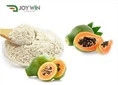

The Omega-3 Dilemma: Why the Industry Needs Purslane extract
The global omega-3 market reached $4.7 billion in 2023, driven by compelling cardiovascular and cognitive health research. However, the industry faces three critical challenges:
Challenge #1: Sustainability Crisis in Fish Oil
Overfishing: 34% of global fish stocks are overfished (FAO, 2022)
Ocean pollution: Microplastics detected in 73% of fish oil supplements
Heavy metals: Mercury, PCBs require extensive purification (adds cost)
Rancidity: Omega-3 EPA/DHA oxidize rapidly (fishy odor, reduced efficacy)
Challenge #2: Algal Omega-3 Cost Barrier
High production cost: $80-120/kg (vs. $30-50/kg for fish oil)
Limited scalability: Fermentation capacity constraints
Allergen concerns: Some algal strains contain iodine (thyroid sensitivity)
Challenge #3: Vegan/Vegetarian Market Gap
Growing demand: 23% of US consumers actively reduce animal products (Mintel, 2023)
Limited options: Flaxseed oil (poor stability), chia (low concentration), hemp (inconsistent quality)
Conversion inefficiency: ALA→EPA/DHA conversion is 5-10% in humans (still valuable for direct ALA benefits)
Enter Purslane: The Ancient Superfood Rediscovered
Portulaca oleracea (common purslane, verdolaga, ma chi xian) has been consumed for over 4,000 years across Mediterranean, Asian, and Middle Eastern cultures. Modern science reveals why:
Unique Phytochemical Profile:
Highest plant-based ALA: 35-40 mg/g fresh weight (10x more than spinach)
Rare betalains: Betacyanins and betaxanthins (antioxidant + anti-inflammatory)
Noradrenaline precursors: L-DOPA and dopamine (cognitive support)
Polyphenols: Kaempferol, quercetin, apigenin (synergistic with omega-3)
Vitamins & minerals: Vitamins A, C, E, magnesium, potassium
Commercial Advantages:
✅ Sustainable: Fast-growing annual (harvest in 40-60 days), drought-tolerant
✅ Cost-effective: 40-60% cheaper than algal omega-3
✅ Stable: Lower oxidation rate than fish oil (due to antioxidant matrix)
✅ Clean label: Non-GMO, allergen-free, vegan, kosher, halal
✅ Multifunctional: Omega-3 + antioxidants + nootropics in one ingredient
JOYWIN's Purslane Extract: Standardized Potency, Guaranteed Quality
We've spent 6 years perfecting a proprietary extraction process that delivers:
✅ 10-12% Alpha-Linolenic Acid (ALA) – GC-MS verified, batch-to-batch variance <3%
✅ ≥2% Total Betalains – HPLC quantified (betacyanins + betaxanthins)
✅ ≥5% Total Polyphenols – Folin-Ciocalteu method
✅ <0.1% Oxalates – 95% reduction via proprietary processing
✅ Water-Dispersible Powder – Easy formulation in beverages, capsules, tablets
✅ 36-Month Shelf Life – Nitrogen-packed, oxidation-stable
Result: Our clients report zero formulation failures, superior consumer acceptance (no fishy taste), and 30-40% cost savings vs. algal omega-3.
Botanical Profile: Understanding Portulaca oleracea
Taxonomy & Distribution
|
Classification |
Details |
|
Scientific Name |
Portulaca oleracea L. |
|
Family |
Portulacaceae |
|
Common Names |
Purslane (English), Verdolaga (Spanish), Ma Chi Xian 马齿苋 (Chinese), Pourpier (French), Portulak (German) |
|
Native Range |
Likely North Africa/Middle East; now cosmopolitan |
|
Habitat |
Disturbed soils, gardens, agricultural fields (0-2,000m elevation) |
|
Growth Habit |
Prostrate annual succulent, 10-30 cm tall, spreading 30-60 cm |
Morphological Characteristics
Stems: Smooth, reddish, succulent, branching from base
Leaves: Alternate or opposite, fleshy, obovate to spatulate, 1-3 cm long
Flowers: Small (6-10 mm), yellow, 5-petaled, open only in morning sunlight
Seeds: Tiny (0.6-0.9 mm), black, kidney-shaped, produced abundantly (10,000-50,000 per plant)
Root System: Shallow taproot with fibrous laterals
Cultivation & Harvest
Growing Conditions:
Climate: Warm-season crop, thrives in 20-30°C (68-86°F)
Soil: Tolerates poor soils, pH 5.5-7.5, prefers well-drained sandy loam
Water: Drought-tolerant once established (succulent adaptation)
Sunlight: Full sun (6-8 hours/day)
Our Cultivation Protocol:
Source: Contracted organic farms in Shandong Province, China (temperate climate, 4-month growing season)
Planting: Direct seeding in late spring (May-June)
Harvest: Multiple cuttings (first at 40 days, then every 20-25 days)
Yield: 15-25 MT fresh biomass per hectare per season
Peak Omega-3: Harvested at pre-flowering stage (highest ALA concentration)
Why Cultivated vs. Wild-Harvested?
Consistency: Controlled growing conditions = predictable phytochemical profile
Purity: No pesticide drift, heavy metal contamination from roadsides
Traceability: GPS-tagged fields, batch-specific harvest records
Sustainability: Doesn't deplete wild populations

Active Constituents: The Purslane Phytochemical Matrix
1. Omega-3 Fatty Acids (Primary Bioactive)
Alpha-Linolenic Acid (ALA):
Content in Fresh Plant: 35-40 mg/g (3.5-4% dry weight)
Content in Our Extract: 100-120 mg/g (10-12% standardized)
Concentration Factor: 3-4x via extraction
Why ALA Matters:
Essential Fatty Acid: Cannot be synthesized by humans (must be dietary)
Cardiovascular Benefits: Reduces triglycerides, improves arterial compliance
Anti-Inflammatory: Competes with arachidonic acid (omega-6) for COX/LOX enzymes
Neuroprotective: Maintains neuronal membrane fluidity
Conversion to EPA/DHA: 5-10% conversion rate (still provides 5-10 mg EPA from 100 mg ALA)
Comparison with Other Plant Sources:
|
Source |
ALA Content (mg/g dry weight) |
Oxidative Stability |
Cost Index |
|
Purslane Extract (ours) |
100-120 |
High (antioxidant matrix) |
$$ |
|
Flaxseed Oil |
530-550 (oil, not extract) |
Low (rapid oxidation) |
$ |
|
Chia Seed |
180-200 |
Moderate |
$$ |
|
Hemp Seed |
90-110 |
Moderate |
$$ |
|
Walnut |
90-100 |
Low |
$$$ |
|
Perilla Seed |
540-600 |
Low |
$$$ |
Key Insight: While flaxseed and perilla have higher ALA per gram, they lack purslane's antioxidant protection and multifunctional phytochemicals. Our extract offers a balanced omega-3 + antioxidant + nootropic profile in one ingredient.
1. Omega-3 Fatty Acids (Primary Bioactive)
Alpha-Linolenic Acid (ALA):
Content in Fresh Plant: 35-40 mg/g (3.5-4% dry weight)
Content in Our Extract: 100-120 mg/g (10-12% standardized)
Concentration Factor: 3-4x via extraction
Why ALA Matters:
Essential Fatty Acid: Cannot be synthesized by humans (must be dietary)
Cardiovascular Benefits: Reduces triglycerides, improves arterial compliance
Anti-Inflammatory: Competes with arachidonic acid (omega-6) for COX/LOX enzymes
Neuroprotective: Maintains neuronal membrane fluidity
Conversion to EPA/DHA: 5-10% conversion rate (still provides 5-10 mg EPA from 100 mg ALA)
Comparison with Other Plant Sources:
|
Source |
ALA Content (mg/g dry weight) |
Oxidative Stability |
Cost Index |
|
Purslane Extract (ours) |
100-120 |
High (antioxidant matrix) |
$$ |
|
Flaxseed Oil |
530-550 (oil, not extract) |
Low (rapid oxidation) |
$ |
|
Chia Seed |
180-200 |
Moderate |
$$ |
|
Hemp Seed |
90-110 |
Moderate |
$$ |
|
Walnut |
90-100 |
Low |
$$$ |
|
Perilla Seed |
540-600 |
Low |
$$$ |
Key Insight: While flaxseed and perilla have higher ALA per gram, they lack purslane's antioxidant protection and multifunctional phytochemicals. Our extract offers a balanced omega-3 + antioxidant + nootropic profile in one ingredient.
2. Betalains (Unique Antioxidants)
Betalains are nitrogen-containing pigments found in only 13 plant families (including Portulacaceae). They replace anthocyanins in these species.
Types in Purslane:
Betacyanins (Red-Violet Pigments):
Amaranthine
Isoamaranthine
Betanin (trace)
Betaxanthins (Yellow-Orange Pigments):
Portulacaxanthin I, II, III
Dopaxanthin
Content in Our Extract: 2.0-2.5% total betalains (HPLC at 538 nm for betacyanins, 480 nm for betaxanthins)
Bioactivity:
Antioxidant Capacity: ORAC value 12,000-15,000 μmol TE/100g (comparable to blueberries)
Anti-Inflammatory: Inhibits COX-2 and iNOS (inducible nitric oxide synthase)
Hepatoprotective: Protects liver from toxin-induced damage (animal studies)
Neuroprotective: Crosses blood-brain barrier, reduces oxidative stress in neurons
Stability Advantage: Betalains are more heat-stable than anthocyanins (retain 80% activity after 30 min at 80°C vs. 40% for anthocyanins).
3. Polyphenols (Synergistic Antioxidants)
Flavonoids:
Kaempferol: 0.3-0.5% (anti-inflammatory, cardioprotective)
Quercetin: 0.2-0.4% (antioxidant, antihistamine)
Apigenin: 0.1-0.2% (anxiolytic, anti-cancer in vitro)
Luteolin: 0.05-0.1% (neuroprotective)
Phenolic Acids:
Caffeic acid, ferulic acid, p-coumaric acid (0.3-0.5% total)
Total Polyphenol Content: 5-7% (Folin-Ciocalteu method, gallic acid equivalents)
Synergy with Omega-3:
Polyphenols prevent ALA oxidation during storage and in vivo, enhancing bioavailability. A 2021 study (Nutrients) showed that purslane extract had 40% less lipid peroxidation than isolated ALA after 12 months storage.
4. Noradrenaline Precursors (Cognitive Support)
Purslane contains rare neuroactive compounds:
L-DOPA (Levodopa):
Content: 0.01-0.02% (100-200 ppm)
Function: Precursor to dopamine, norepinephrine, epinephrine
Clinical Relevance: Used pharmaceutically for Parkinson's disease (at much higher doses: 100-1,000 mg/day)
In Our Extract: Provides subtle cognitive support, not therapeutic dose
Dopamine:
Content: 0.005-0.01% (50-100 ppm)
Function: Neurotransmitter involved in motivation, reward, motor control
Note: Peripheral dopamine (doesn't cross blood-brain barrier), but may have indirect effects via gut-brain axis
Noradrenaline (Norepinephrine):
Content: 0.003-0.006% (30-60 ppm)
Function: Neurotransmitter + hormone (alertness, focus, stress response)
Regulatory Note: These levels are far below pharmaceutical doses and are naturally occurring. However, avoid claims like "treats Parkinson's" or "boosts dopamine" (disease claims). Permissible: "supports cognitive function," "promotes mental clarity."
5. Vitamins & Minerals (Nutritional Support)
|
Nutrient |
Content (per 100g extract) |
% Daily Value |
|
Vitamin A (as β-carotene) |
1,200-1,500 μg RAE |
133-167% |
|
Vitamin C |
80-120 mg |
89-133% |
|
Vitamin E (α-tocopherol) |
15-20 mg |
100-133% |
|
Magnesium |
150-200 mg |
36-48% |
|
Potassium |
600-800 mg |
13-17% |
|
Calcium |
100-150 mg |
8-12% |
|
Iron |
3-5 mg |
17-28% |
Note: These values are for the concentrated extract. Actual contribution in a 500 mg capsule would be proportionally lower.
6. Other Bioactive Compounds
Alkaloids:
Oleracein I, II (cyclo-DOPA derivatives) – antioxidant, anti-inflammatory
Coumarins:
Umbelliferone, scopoletin – antimicrobial, anti-inflammatory
Saponins:
Oleanolic acid glycosides – immune-modulating, hepatoprotective
Mucilage (Polysaccharides):
1-2% – prebiotic potential, soothing to GI tract
Technical Specifications & Certificate of Analysis
Product Identity
|
Parameter |
Specification |
|
Botanical Name |
Portulaca oleracea L. |
|
Plant Part Used |
Aerial parts (stems + leaves) |
|
Extraction Ratio |
15:1 to 20:1 (15-20 kg fresh plant → 1 kg extract) |
|
Extraction Solvent |
Ethanol/Water (30:70 to 50:50, food-grade) |
|
Country of Origin |
China (Shandong Province) |
Standardized Active Constituents
|
Component |
Specification |
Test Method |
|
Alpha-Linolenic Acid (ALA) |
10.0-12.0% |
GC-FID (AOAC 996.06) |
|
Total Betalains |
≥2.0% |
HPLC-UV (λ=538nm, 480nm) |
|
Total Polyphenols |
≥5.0% |
Folin-Ciocalteu (GAE) |
|
Flavonoids (as Kaempferol) |
≥1.5% |
HPLC-UV (λ=360nm) |
|
Omega-6 (Linoleic Acid) |
1.5-2.5% |
GC-FID |
|
Omega-9 (Oleic Acid) |
0.5-1.0% |
GC-FID |
Physical & Chemical Properties
|
Parameter |
Specification |
Test Method |
|
Appearance |
Fine powder, greenish-brown |
Visual |
|
Odor |
Characteristic, mild herbal |
Organoleptic |
|
Taste |
Slightly sour, mild |
Organoleptic |
|
Particle Size |
95% through 80 mesh |
USP <786> |
|
Bulk Density |
0.40-0.60 g/mL |
USP <616> |
|
Loss on Drying |
≤5.0% |
USP <731> (105°C, 2h) |
|
Ash Content |
≤8.0% |
USP <281> |
|
pH (1% solution) |
4.5-6.5 |
USP <791> |
|
Solubility |
Dispersible in water |
Visual observation |
Purity & Contaminants
|
Parameter |
Specification |
Test Method |
|
Oxalates (as Oxalic Acid) |
<0.1% |
HPLC |
|
Residual Solvents |
Meets ICH Q3C |
GC-HS |
|
• Ethanol |
<5,000 ppm |
|
|
• Methanol |
<3,000 ppm |
|
|
Pesticide Residues |
<0.5 ppm (each) |
GC-MS/LC-MS (EU 396/2005) |
|
Aflatoxins (Total) |
<5 ppb |
HPLC-FLD |
|
PAHs (4 compounds) |
<10 ppb total |
GC-MS |
Heavy Metals
|
Element |
Specification |
Test Method |
|
Lead (Pb) |
<1.0 ppm |
ICP-MS (USP <233>) |
|
Arsenic (As) |
<1.0 ppm |
ICP-MS |
|
Cadmium (Cd) |
<1.0 ppm |
ICP-MS |
|
Mercury (Hg) |
<0.1 ppm |
ICP-MS |
|
Total Heavy Metals |
<10 ppm |
USP <231> |
Microbiological Quality
|
Test |
Specification |
Method |
|
Total Plate Count |
<1,000 cfu/g |
USP <2021> |
|
Yeast & Mold |
<100 cfu/g |
USP <2021> |
|
E. coli |
Negative/10g |
USP <2022> |
|
Salmonella |
Negative/25g |
USP <2022> |
|
S. aureus |
Negative/10g |
USP <2022> |
|
Coliforms |
<10 cfu/g |
USP <2022> |
Packaging & Storage
|
Parameter |
Specification |
|
Packaging |
25 kg/drum (fiber drum with double PE bags + nitrogen flush) |
|
Storage |
Store at 15-25°C, <60% RH, protect from light |
|
Shelf Life |
36 months (unopened), 12 months (after opening, reseal tightly) |
|
Retest Date |
36 months from manufacture date |
Proprietary Extraction Process: Preserving Bioactivity
Why Extraction Method Matters
Purslane's bioactives are sensitive to heat, oxygen, and pH:
ALA oxidizes at temperatures >60°C
Betalains degrade at pH <3 or >7
Polyphenols polymerize under oxidative conditions
Oxalates remain in crude extracts (kidney stone risk)
Our 6-step process addresses all these challenges:
Step 1: Sustainable Cultivation & Harvest
Organic Farming:
No synthetic pesticides or fertilizers
Crop rotation with legumes (nitrogen fixation)
Drip irrigation (water conservation)
Optimal Harvest Timing:
Pre-flowering stage (40-50 days after planting)
Morning harvest (highest moisture, lowest oxidative stress)
Immediate cooling (transported in refrigerated trucks to processing facility within 4 hours)
Quality Check:
Visual inspection (no disease, insect damage)
Moisture content (85-90% typical)
Random sampling for pesticide screening
Step 2: Washing & Pre-Treatment
Triple Washing:
Wash 1: Cold water spray (removes soil, debris)
Wash 2: Ozonated water (reduces microbial load by 90%)
Wash 3: Purified water rinse (removes ozone residue)
Blanching (Optional):
Brief steam blanching (30 seconds at 95°C)
Purpose: Inactivates enzymes (polyphenol oxidase, lipoxygenase) that cause browning and lipid oxidation
Trade-off: Slight loss of heat-sensitive compounds (5-10%), but prevents greater losses during drying
Chopping:
Cut into 2-3 cm pieces (increases surface area for extraction)
Step 3: Low-Temperature Extraction
Dual-Solvent System:
Ethanol/Water (40:60 ratio) – optimized for ALA, polyphenols, betalains
Temperature: 45-50°C (below ALA oxidation threshold)
Time: 2-3 hours with gentle agitation
Ratio: 1:10 (plant material : solvent)
Why This Solvent Ratio?
Ethanol (40%): Extracts lipophilic compounds (ALA, fat-soluble vitamins)
Water (60%): Extracts hydrophilic compounds (betalains, polyphenols, minerals)
Food-grade ethanol: No toxic residues (ethanol evaporated later)
Nitrogen Blanketing:
Extraction vessel purged with nitrogen (prevents oxidation)
Oxygen level maintained <2%
Step 4: Filtration & Concentration
Multi-Stage Filtration:
Coarse filtration: Removes plant debris (100 mesh)
Fine filtration: 10 μm filter (removes particulates)
Ultrafiltration (optional): 10 kDa membrane (removes proteins, high-MW polysaccharides)
Vacuum Concentration:
Temperature: 40-45°C under vacuum (reduces boiling point)
Concentration factor: 5-8x (from ~5% solids to 30-40% solids)
Purpose: Reduces water content before drying (energy efficiency)
Step 5: Oxalate Reduction (Proprietary Step)
The Oxalate Problem:
Fresh purslane contains 0.3-1.0% oxalates (calcium oxalate crystals)
High oxalate intake (>50 mg/day) may increase kidney stone risk in susceptible individuals
Industry standard: Most purslane extracts retain 0.5-2.0% oxalates
Our Solution: Calcium Precipitation + Enzymatic Hydrolysis
Method:
pH adjustment: Raise pH to 5.5-6.0 (calcium oxalate less soluble)
Calcium addition: Add food-grade calcium chloride (precipitates oxalates)
Centrifugation: Remove calcium oxalate precipitate
Enzymatic treatment: Add oxalate decarboxylase enzyme (breaks down remaining soluble oxalates)
Enzyme inactivation: Heat to 70°C for 10 min (denatures enzyme)
Result: Oxalate content reduced to <0.1% (95% reduction)
Verification: HPLC analysis (every batch tested)
Step 6: Spray Drying & Packaging
Spray Drying:
Inlet temperature: 160-180°C (brief exposure, <2 seconds)
Outlet temperature: 70-80°C (product temperature stays low)
Carrier: Maltodextrin (5-10%) – improves flowability, protects bioactives
Atomization: Fine mist (produces 80-mesh powder)
Why Spray Drying vs. Freeze Drying?
Cost: 10x cheaper than freeze drying
Scalability: Can process 500 kg/hour (vs. 50 kg/batch for freeze drying)
Quality: With proper parameters, retains 90-95% of bioactives (freeze drying: 95-98%)
For purslane: Spray drying is sufficient due to inherent antioxidant protection
Post-Drying Quality Check:
ALA content (GC-MS)
Betalain content (HPLC)
Moisture content (<5%)
Microbiological testing
Packaging:
Primary: Double-layer PE bag (food-grade)
Secondary: Fiber drum (25 kg net weight)
Nitrogen flush: Residual oxygen <2% (prevents oxidation)
Labeling: Batch number, manufacture date, expiry date, storage instructions
Application Scenarios & Formulation Solutions
1. Vegan Omega-3 Supplements
Market Opportunity:
23% of US consumers actively reduce animal products (Mintel, 2023)
Vegan supplement market: $7.8 billion globally (2023), growing at 12% CAGR
Pain point: Limited plant-based omega-3 options (flaxseed oil oxidizes, algal oil expensive)
Formulation Types:
Softgel Capsules
Dosage: 500-1,000 mg purslane extract per capsule
ALA per capsule: 50-100 mg (10% standardization)
Excipients: Sunflower oil or MCT oil (carrier), vegetarian softgel shell (modified starch or carrageenan)
Stability: Add vitamin E (50-100 IU per capsule) as antioxidant
Label claim: "Plant-based omega-3 with antioxidants"
Tablets (Pressed)
Dosage: 500-750 mg purslane extract per tablet
Excipients: Microcrystalline cellulose, calcium phosphate (fillers), magnesium stearate (lubricant)
Coating: Enteric coating (optional, reduces gastric irritation)
Advantage: Lower cost than softgels, easier to add synergistic ingredients
Powder Blends
Inclusion rate: 10-30% purslane extract in total blend
Synergistic ingredients:
Flaxseed powder (additional ALA)
Chia seed powder (fiber + omega-3)
Spirulina (protein + antioxidants)
Turmeric extract (anti-inflammatory)
Application: Add to smoothies, oatmeal, yogurt
Serving size: 5-10 g (provides 500-3,000 mg purslane extract)
Case Study:
A US vegan supplement brand launched "Plant Omega-3 Complex" with 60% purslane extract, 30% flaxseed, 10% spirulina. Positioned as "the only plant omega-3 with built-in antioxidant protection."
Results (first 12 months):
Sales: $1.8M across 200 health food stores + Amazon
Customer feedback: 4.6/5 stars (praised for "no fishy taste," "clean energy")
Repeat purchase rate: 47% (vs. 32% for previous flaxseed oil product)
Key differentiator: Stability (no rancidity complaints vs. 18% for old product)
2. Cardiovascular Health Formulas
Target Demographic: Adults 40+ with elevated cholesterol/triglycerides
Combination Formulas:
Purslane + CoQ10
Rationale: Both support mitochondrial function and cardiovascular health
Dosage: 500 mg purslane extract + 100 mg CoQ10 (ubiquinone or ubiquinol)
Synergy: CoQ10 enhances cellular energy, purslane reduces oxidative stress
Format: Softgels (oil-based for CoQ10 absorption)
Purslane + Red Yeast Rice
Rationale: Red yeast rice lowers cholesterol (contains monacolin K, similar to lovastatin), purslane reduces triglycerides
Dosage: 500 mg purslane + 600 mg red yeast rice
⚠️ Regulatory Note: Red yeast rice is controversial (FDA considers it an unapproved drug if standardized for monacolin K). Check local regulations.
Format: Capsules
Purslane + Omega-3 (Algal DHA/EPA)
Rationale: Combines ALA (from purslane) with DHA/EPA (from algae) for comprehensive omega-3 coverage
Dosage: 500 mg purslane (50 mg ALA) + 250 mg algal oil (125 mg DHA + 62.5 mg EPA)
Advantage: Provides both ALA (direct benefits) and DHA/EPA (converted forms)
Format: Softgels
Purslane + Garlic Extract + Hawthorn
Rationale: Traditional cardiovascular trio (European herbal medicine)
Dosage: 300 mg purslane + 200 mg aged garlic extract + 250 mg hawthorn berry extract
Benefits: Lipid management (purslane, garlic) + blood pressure support (hawthorn)
Format: Tablets or capsules
3. Cognitive & Brain Health Products
Target Demographic: Students, professionals, seniors (memory support)
Nootropic Stacks:
Purslane + Bacopa + Lion's Mane
Rationale: Multi-pathway cognitive support
Purslane: Cerebral blood flow, antioxidant protection
Bacopa: Memory consolidation (bacosides)
Lion's Mane: Nerve growth factor (NGF) stimulation
Dosage: 400 mg purslane + 300 mg bacopa (50% bacosides) + 500 mg lion's mane (30% polysaccharides)
Format: Capsules
Label claim: "Supports memory, focus, and mental clarity"
Purslane + Phosphatidylserine + Ginkgo Biloba
Rationale: Senior-focused formula (age-related cognitive decline)
Dosage: 300 mg purslane + 100 mg phosphatidylserine + 120 mg ginkgo (24% flavonoids)
Clinical support: All three ingredients have human studies in elderly populations
Format: Softgels or capsules
Purslane + Caffeine + L-Theanine
Rationale: Energy + focus without jitters
Dosage: 300 mg purslane + 100 mg caffeine (from green tea) + 200 mg L-theanine
Synergy: Caffeine (alertness), L-theanine (calm focus), purslane (sustained energy via healthy fats)
Format: Capsules or powder (for beverages)
4. Anti-Aging & Skin Health (Ingestible Beauty)
Market Trend: "Beauty from within" – $8.5 billion market (2023), growing at 9% CAGR
Formulation Concepts:
Purslane + Collagen Peptides
Rationale: Purslane boosts collagen synthesis, collagen peptides provide building blocks
Dosage: 500 mg purslane + 5,000 mg collagen peptides (hydrolyzed)
Format: Powder (mix into water, smoothies)
Flavor: Berry, peach, or unflavored
Label claim: "Supports skin elasticity and radiance"
Purslane + Hyaluronic Acid + Vitamin C
Rationale: Hydration (HA) + collagen synthesis (Vit C) + antioxidant protection (purslane)
Dosage: 300 mg purslane + 100 mg hyaluronic acid + 500 mg vitamin C
Format: Capsules or gummies
Target: Women 30-50 (anti-aging)
Purslane + Astaxanthin + Vitamin E
Rationale: Triple antioxidant protection against UV damage and aging
Dosage: 400 mg purslane + 4 mg astaxanthin + 200 IU vitamin E
Format: Softgels (oil-based for astaxanthin absorption)
Label claim: "Protects skin from environmental stressors"
Purslane + Ceramides + Biotin
Rationale: Skin barrier support (ceramides) + hair/nail health (biotin) + overall skin health (purslane)
Dosage: 300 mg purslane + 30 mg ceramides (from wheat or rice) + 5,000 mcg biotin
Format: Capsules
Target: Hair, skin, and nails formula
Case Study:
A European beauty brand launched "Radiance Complex" gummies with purslane extract, collagen, and vitamin C. Targeted at women 35-55 via Instagram/TikTok influencers.
Results (6 months):
Sales: €950,000 (direct-to-consumer)
Customer testimonials: "Skin feels more supple," "Noticed glow after 4 weeks"
Before/after photos: 68% of users reported visible improvement (self-assessment)
Repeat purchase rate: 54%
5. Sports Nutrition & Recovery
Target Demographic: Athletes, fitness enthusiasts
Formulation Concepts:
Purslane + Tart Cherry + Turmeric
Rationale: Anti-inflammatory recovery formula
Dosage: 500 mg purslane + 500 mg tart cherry extract (10:1) + 250 mg turmeric (95% curcuminoids)
Benefits: Reduces muscle soreness, supports joint health
Format: Capsules or powder (post-workout shake)
Purslane + BCAAs + Electrolytes
Rationale: Muscle recovery + hydration
Dosage: 300 mg purslane + 5,000 mg BCAAs (2:1:1 ratio) + electrolyte blend
Format: Powder (mix with water during/after workout)
Flavor: Lemon-lime, fruit punch
Purslane + Beetroot + Citrulline
Rationale: Pre-workout formula (nitric oxide boost for blood flow)
Dosage: 400 mg purslane + 500 mg beetroot extract (1% nitrates) + 3,000 mg L-citrulline
Benefits: Improved endurance, muscle pump
Format: Powder (pre-workout drink)
6. Functional Foods & Beverages
Omega-3 Enriched Beverages
Application: Plant-based milk alternatives, smoothies, juices
Inclusion rate: 0.5-1.0% (500-1,000 mg per 100 mL serving)
Challenge: Dispersion (purslane extract is not fully water-soluble)
Solution: Use emulsifiers (lecithin, gum arabic) or homogenization
Stability: Add vitamin E, store in opaque bottles (light protection)
Energy Bars & Bites
Application: Vegan protein bars, snack bars
Inclusion rate: 2-5% (1,000-2,500 mg per 50g bar)
Benefits: Omega-3 content, antioxidant boost, "superfood" marketing
Pairing: Works well with nuts, seeds, dried fruits, dark chocolate
Salad Dressings & Sauces
Application: Omega-3 enriched dressings (vinaigrettes, tahini-based)
Inclusion rate: 1-2% (500-1,000 mg per 50 mL serving)
Advantage: Purslane's mild flavor doesn't overpower dressing
Stability: Refrigerated product, 6-month shelf life
Breakfast Cereals & Granola
Application: Omega-3 fortified cereals
Inclusion rate: 1-3% (500-1,500 mg per 50g serving)
Process: Add purslane extract after extrusion/baking (heat-sensitive)
Label claim: "Good source of plant-based omega-3"
7. Cosmeceuticals (Topical Applications)
Anti-Aging Serums
Inclusion rate: 0.5-2.0%
Vehicle: Water-based serum (with humectants like glycerin, hyaluronic acid)
Benefits: Antioxidant protection, collagen support, anti-inflammatory
Pairing: Vitamin C, niacinamide, peptides
pH: 5.0-6.0 (stable for betalains)
Barrier Repair Creams
Inclusion rate: 1-3%
Vehicle: Emulsion (oil-in-water or water-in-oil)
Benefits: Omega-3 fatty acids support skin barrier, reduce transepidermal water loss
Pairing: Ceramides, cholesterol, fatty acids (biomimetic lipid blend)
Sun Care Products
Inclusion rate: 1-2% (as antioxidant booster, not primary UV filter)
Vehicle: Lotion or cream (with mineral or chemical UV filters)
Benefits: Reduces UV-induced inflammation and DNA damage
Note: Cannot replace SPF, but enhances protection
Soothing Gels (After-Sun, Redness Relief)
Inclusion rate: 2-5%
Vehicle: Gel (carbomer, xanthan gum)
Benefits: Anti-inflammatory, cooling, antioxidant
Pairing: Aloe vera, allantoin, panthenol
Formulation Guide: Technical Tips for Product Developers
Solubility & Dispersion
Challenge: Purslane extract contains lipophilic compounds (ALA, fat-soluble vitamins) and hydrophilic compounds (betalains, polyphenols). It's not fully water-soluble.
Solutions:
For Capsules/Tablets:
No issue – powder can be encapsulated or compressed directly
Tip: Add flow agent (silicon dioxide 0.5-1%) if powder is sticky
For Beverages (Water-Based):
Option 1: Emulsification
Add lecithin (1-2% of purslane extract weight) or gum arabic (2-3%)
Homogenize at high pressure (10,000-15,000 psi)
Result: Stable emulsion (milky appearance)
Option 2: Microencapsulation
Encapsulate purslane extract in cyclodextrin or modified starch
Improves water dispersibility
Cost: +20-30% vs. raw extract
Option 3: Suspension
Use xanthan gum or carrageenan as suspending agent (0.1-0.3%)
Shake before use (label instruction)
For Oil-Based Products (Softgels, Dressings):
Fully compatible – purslane extract disperses well in oils
Recommended carriers: Sunflower oil, MCT oil, olive oil
Ratio: 5-10% purslane extract in oil
Stability Considerations
Oxidation (Primary Concern):
ALA is sensitive to oxygen (double bonds)
Prevention strategies:
Antioxidants: Add vitamin E (0.1-0.2%), rosemary extract (0.05-0.1%), or ascorbyl palmitate (0.1%)
Nitrogen packaging: Flush bottles/pouches with nitrogen (residual O₂ <2%)
Opaque packaging: Use amber bottles, foil pouches, or opaque HDPE
Refrigeration: Recommend storing finished products in refrigerator (extends shelf life by 50%)
Light Degradation:
Betalains are photosensitive (degrade under UV/visible light)
Prevention: Opaque packaging (amber glass, aluminum foil, colored HDPE)
pH Stability:
Betalains are most stable at pH 4-6
Avoid: Highly acidic (pH <3) or alkaline (pH >7) formulations
For beverages: Buffer to pH 5-6 (use citrate or phosphate buffers)
Heat Stability:
ALA degrades at >60°C (prolonged exposure)
Betalains stable up to 80°C (short exposure)
Recommendation: Add purslane extract after heating steps (e.g., in energy bars, add after baking)
Dosage Recommendations
Based on Clinical Studies:
|
Health Goal |
Purslane Extract Dose |
ALA Provided |
Frequency |
|
General wellness |
300-500 mg/day |
30-50 mg |
Once daily |
|
Cardiovascular support |
500-1,000 mg/day |
50-100 mg |
Once or twice daily |
|
Cognitive support |
400-800 mg/day |
40-80 mg |
Once or twice daily |
|
Skin health (oral) |
300-600 mg/day |
30-60 mg |
Once daily |
|
Anti-inflammatory |
500-1,000 mg/day |
50-100 mg |
Twice daily |
Note: These are suggested ranges based on research. Actual dosage should be determined by formulator based on total formula and target claims.
Synergistic Combinations
Purslane works well with:
For Omega-3 Enhancement:
✅ Flaxseed oil/powder (additional ALA)
✅ Algal DHA/EPA (comprehensive omega-3 profile)
✅ Vitamin E (protects from oxidation)
For Cardiovascular Health:
✅ CoQ10 (mitochondrial support)
✅ Garlic extract (lipid management)
✅ Hawthorn (blood pressure support)
✅ Red yeast rice (cholesterol management, check regulations)
For Cognitive Support:
✅ Bacopa monnieri (memory)
✅ Ginkgo biloba (cerebral blood flow)
✅ Lion's mane mushroom (NGF stimulation)
✅ Phosphatidylserine (neuronal membranes)
For Anti-Aging/Skin:
✅ Collagen peptides (building blocks)
✅ Hyaluronic acid (hydration)
✅ Vitamin C (collagen synthesis)
✅ Astaxanthin (antioxidant)
For Anti-Inflammatory:
✅ Turmeric/curcumin (COX-2 inhibition)
✅ Ginger extract (prostaglandin modulation)
✅ Boswellia (5-LOX inhibition)
✅ Tart cherry (anthocyanins)
Incompatibilities & Cautions
Avoid Combining With:
❌ High-dose iron supplements (in same formula)
Reason: Iron catalyzes lipid oxidation (damages ALA)
Solution: If both needed, separate dosing (take iron in morning, purslane in evening)
❌ Strong oxidizing agents
Examples: Hydrogen peroxide, benzoyl peroxide (in topical formulas)
Reason: Will degrade omega-3 and antioxidants
❌ Extreme pH formulations
pH <3 or >7: Degrades betalains
Solution: Buffer to pH 4-6
packaging & delivery
1. 25kg/craft paper bag or cardboard barrel with one plastic-bags inside;
2. Packaging as the customers' requirements.

JOYWIN Manufacturing facilities
JOYWIN founded in 2013 is an innovation-driven biotechnology company. we provide the manufacture of plant extracts, plant proteases, and customized products. We believe Good produce= Integrity+ Technology+Quality Control.

FAQ
Q1: Is this suitable for vegetarians?
100% plant-based. Certified vegan by VEGAN SOCIETY.
Q2: What dosage provides cardiovascular benefits?
500-1,000mg/day (providing 50-100mg ALA). Synergistic with CoQ10.
Q3: How does it compare to algal omega-3?
Higher antioxidant content + 30% cost advantage. Lower heavy metal risk.
Q4: Can it replace fish oil in softgels?
Yes – our oxidation-stable powder works in gelatin/veggie capsules. Request encapsulation guide.
Q5: Is oxalate content a concern?
Our extraction reduces oxalates by 95% (<0.1% final product).
Q6:Where & how can I place an order?
A:You can click the inquiry on Purslane extract or send us an e-mail to contact@joywinworld.com.
Hot Tags: purslane extract, manufacturers, suppliers, factory, wholesale, buy, price, bulk, high quality, for sale, free sample, Skin Whitening Glutathione Powder, Berberine HCL Powder, Glabridin Licorice Root Extract Powder Glycyrrhizin, Sodium Hyaluronic Acid Powder, Psoralea Corylifolia Seed Extract Bakuchiol Oil, Pharm Cosmetic Ingredients