



Why Liquid Inulin is Transforming the Food Supplement Industry
The global prebiotics market is experiencing unprecedented growth, yet manufacturers face persistent challenges: powder inulin's limited solubility, inconsistent dispersion in liquid formulations, and the labor-intensive processes required for incorporation. For formulators developing beverages, syrups, or liquid supplements, these obstacles translate directly into production delays, quality inconsistencies, and increased costs.
Jerusalem Artichoke Liquid Inulin represents a paradigm shift. Unlike conventional powdered forms, our liquid inulin delivers immediate solubility, superior stability, and seamless integration into aqueous systems-eliminating the dissolution bottleneck that has long plagued product developers.
What Makes Jerusalem Artichoke the Superior Inulin Source?
While chicory root dominates the inulin market, Jerusalem artichoke (*Helianthus tuberosus*) offers distinct advantages that discerning manufacturers increasingly recognize.
Botanical Excellence
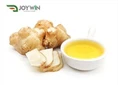
Jerusalem artichoke, despite its misleading name, is neither from Jerusalem nor an artichoke-it's a North American native sunflower species cultivated for its nutrient-dense tubers. The plant thrives in temperate climates and accumulates inulin concentrations of 14-19% in fresh tubers, reaching up to 75% in dried material.
Why Jerusalem artichoke outperforms alternatives:
- Broader molecular weight distribution: Jerusalem artichoke inulin contains a wider spectrum of fructan chain lengths (DP 2-60), providing enhanced prebiotic versatility compared to chicory's narrower profile
- Superior cold-water stability: The unique molecular architecture resists crystallization and maintains clarity in refrigerated beverages
- Cleaner flavor profile: Minimal residual taste allows for neutral sensory impact in sensitive formulations
- Sustainable cultivation: Requires fewer inputs than chicory, with exceptional drought tolerance and soil regeneration properties
Our Organic Cultivation Advantage
JOYWIN operates China's largest self-controlled organic Jerusalem artichoke plantation, spanning over 10,000 acres in pristine agricultural zones. This vertical integration ensures:
- Traceability from seed to extract: Every batch links directly to specific harvest lots
- NOP/JAS organic certification: Meeting both USDA and Japanese organic standards
- Pesticide-free guarantee: Rigorous testing confirms zero residue levels
- Optimal harvest timing: Tubers collected at peak inulin concentration (post-frost when fructan content maximizes)

Composition & Molecular Profile
Active Components
Primary constituent**: Inulin (≥75% dry matter basis)
- Fructooligosaccharides (FOS): 15-25%
- Long-chain inulin (DP >10): 50-60%
- Degree of polymerization (DP): 2-60 units
Minor bioactive compounds:
- Phenolic acids (chlorogenic acid, caffeic acid derivatives): 0.3-0.8%
- Sesquiterpene lactones: trace amounts
- Minerals: naturally occurring potassium, magnesium, phosphorus
Technical Specifications (Certificate of Analysis)
|
Parameter |
Specification |
Test Method |
|
Appearance |
Clear to slightly amber viscous liquid |
Visual |
|
Inulin Content (dry basis) |
≥75.0% |
HPLC |
|
Dry Matter |
70-76% |
Gravimetric (105°C) |
|
pH (20°C) |
4.5-6.5 |
Potentiometric |
|
Density |
1.30-1.38 g/mL |
Pycnometer |
|
Viscosity (20°C) |
1,500-3,500 cP |
Brookfield viscometer |
|
Heavy Metals (as Pb) |
≤1.0 ppm |
ICP-MS |
|
Arsenic (As) |
≤0.5 ppm |
ICP-MS |
|
Cadmium (Cd) |
≤0.3 ppm |
ICP-MS |
|
Mercury (Hg) |
≤0.1 ppm |
ICP-MS |
|
Total Plate Count |
≤1,000 CFU/g |
USP <2021> |
|
Yeast & Mold |
≤100 CFU/g |
USP <2021> |
|
E. coli |
Negative/10g |
USP <2022> |
|
Salmonella |
Negative/25g |
USP <2022> |
|
Pesticide Residues |
Complies with EU Reg. 396/2005 |
GC-MS/LC-MS |
Shelf Life: 18 months under proper storage (cool, dry conditions, away from direct sunlight)
Production Process: From Field to Formulation
Our proprietary manufacturing process preserves inulin's prebiotic integrity while achieving pharmaceutical-grade purity.
Stage 1: Controlled Harvesting
- **Timing**: Post-frost collection (November-December) when inulin content peaks
- **Cleaning**: Multi-stage washing removes soil particulates without tuber damage
- **Quality sorting**: Automated optical systems eliminate substandard tubers
Stage 2: Extraction & Purification
- **Hot water extraction** (65-75°C): Maximizes inulin yield while maintaining molecular structure
- **Multi-stage filtration**: Removes fiber, protein, and particulate matter
- **Enzymatic refinement**: Optional treatment to adjust DP distribution
- **Activated carbon treatment**: Eliminates color bodies and residual flavors
Stage 3: Concentration & Standardization
- **Vacuum evaporation**: Low-temperature concentration (≤60°C) prevents thermal degradation
- **Standardization**: Precise adjustment to target dry matter content (70-76%)
- **Sterile filtration**: 0.22μm absolute filtration ensures microbiological safety
Stage 4: Quality Verification
- **In-process testing**: Real-time monitoring of Brix, pH, and inulin content
- **Final QC**: Comprehensive COA testing before release
- **Stability studies**: Accelerated and real-time shelf-life validation
Zero waste commitment: Extraction residues are converted to animal feed or organic fertilizer, achieving 100% biomass utilization.
Quality Assurance: Multi-Layer Protection
Certifications & Compliance
- BRC (Grade AA): British Retail Consortium food safety certification
- FSSC 22000: Food Safety System Certification
- cGMP: Current Good Manufacturing Practices for dietary supplements
- Kosher & Halal: Certified for religious dietary requirements
- ISO 9001/14001/22000: Quality, environmental, and food safety management
Testing Protocols
Raw material screening:
- Identity verification (HPLC fingerprinting)
- Heavy metal screening (ICP-MS)
- Pesticide residue analysis (>500 compounds)
In-process controls:
- Hourly pH and Brix monitoring
- Microbial environmental monitoring
- Equipment calibration verification
Finished product release:
- Full COA testing (100% batch testing)
- Stability sample retention (3 years)
- Third-party verification available
Distinctive Advantages: Why Formulators Choose Our Liquid Inulin
1. Instant Solubility, Zero Clumping
Unlike powder inulin requiring 30-60 minutes of agitation, our liquid form integrates instantly into cold or hot systems. This eliminates:
- Hydration tanks and holding time
- High-shear mixing equipment
- Undissolved particle defects
2. Superior Process Efficiency
- Reduced processing time: 70% faster incorporation vs. powder
- Lower energy consumption: No heating required for dissolution
- Simplified equipment: Standard mixing sufficient (no specialized dissolvers needed)
- Easier cleaning: Liquid residues rinse completely without caking
3. Enhanced Formulation Stability
- No sedimentation: Remains homogeneous in suspension
- Freeze-thaw stable: Maintains functionality through temperature cycling
- pH resilient: Stable across pH 3.0-7.0 range
- Compatible with diverse ingredients: Works seamlessly with proteins, acids, minerals
4. Precise Dosing Control
Liquid form enables:
- Automated metering systems for exact dosing
- Consistent batch-to-batch uniformity
- Simplified scale-up from pilot to production
- Reduced material waste (no dust loss)
5. Clean Label Appeal
- Single-ingredient declaration: "Jerusalem artichoke inulin"
- Organic certified options available
- Non-GMO verified
- Allergen-free (no gluten, dairy, soy)
Scientific Evidence: Proven Health Benefits
Prebiotic Efficacy
Selective fermentation: Human clinical trials demonstrate Jerusalem artichoke inulin selectively stimulates beneficial gut bacteria, particularly:
- *Bifidobacterium* species (increases of 10-100 fold)
- *Lactobacillus* species
- Butyrate-producing *Faecalibacterium prausnitzii*
Minimum effective dose: 5-8g/day shows measurable prebiotic effects (Roberfroid et al., *British Journal of Nutrition*, 2010).
Metabolic Health Support
Blood glucose management: A meta-analysis of 15 randomized controlled trials found inulin supplementation (10g/day) reduced fasting blood glucose by an average of 8.5 mg/dL in individuals with prediabetes (*Nutrition Reviews*, 2018).
Lipid profile improvement: Systematic review evidence indicates 10-20g daily inulin intake reduces:
- Total cholesterol: 5-10%
- LDL cholesterol: 7-12%
- Triglycerides: 8-15%
(Brighenti et al., *Nutrition, Metabolism & Cardiovascular Diseases*, 2018)
Digestive Wellness
Regularity support: Inulin increases stool frequency and improves consistency scores in individuals with occasional constipation, with effects observable at 6-12g/day (*American Journal of Clinical Nutrition*, 2015).
Mineral absorption enhancement: Inulin fermentation lowers colonic pH, enhancing calcium and magnesium bioavailability by 15-25% (Scholz-Ahrens et al., *Journal of Nutrition*, 2016).
Weight Management
Satiety enhancement: Inulin supplementation (16g/day) increased satiety hormone PYY levels by 22% and reduced energy intake by 5-10% in controlled feeding studies (*Obesity Reviews*, 2017).
Application Scenarios: Versatile Solutions for Diverse Products
Functional Beverages
Challenge: Creating shelf-stable probiotic drinks with prebiotic support
Solution: 3-5% liquid inulin addition provides:
- Synbiotic effect when combined with probiotics
- Mild sweetness (30% sucrose equivalent) for sugar reduction
- Improved mouthfeel and body
Case example: A European sports nutrition brand reformulated their recovery drink using 4% Jerusalem artichoke liquid inulin, achieving:
- 25% sugar reduction while maintaining sensory acceptance
- Stable probiotic counts (>1 billion CFU/serving) through 12-month shelf life
- "Prebiotic" claim compliance under EU regulations
Liquid Dietary Supplements
Challenge: High-dose prebiotic delivery without grittiness or settling
Solution: Direct incorporation at 10-15% concentration provides 7-10g inulin per serving
Case example: A North American supplement manufacturer developed a liquid gut health formula using our liquid inulin as the base ingredient, eliminating the need for separate sweeteners and achieving a 40% reduction in formulation complexity.
Dairy & Plant-Based Alternatives
Challenge: Enhancing texture and nutritional profile of low-fat yogurts or plant milks
Solution: 2-4% addition delivers:
- Creamy mouthfeel compensating for fat reduction
- Prebiotic fiber fortification (3-5g per serving)
- Improved protein stability in acidic conditions
Syrups & Liquid Sweeteners
Challenge: Creating functional sweetener alternatives with health benefits
Solution: Blending liquid inulin with other natural sweeteners creates:
- Reduced glycemic impact products
- Fiber-enriched pancake syrups, coffee syrups
- Prebiotic agave or maple syrup alternatives
Pharmaceutical Liquids
Challenge: Pediatric or geriatric formulations requiring prebiotic support
Solution: Low-dose addition (1-2%) provides gentle prebiotic effect without excessive sweetness, suitable for:
- Liquid multivitamins
- Probiotic suspensions
- Electrolyte solutions
JOYWIN service
As customer focus has never been so important for today's enterprises, we believe that only a customer-focused company will win renewed loyalty and competitive advantage.
At JOYWIN, Our team of professionals is committed to providing superior and personalized service to meet all your needs.

JOYWIN Exhibition Show
JOYWIN attend international exhibitions, including CPhI, FIC, API, Vitafoods, SupplesideWest.

Packaging & Logistics: Designed for B2B Efficiency
Standard Packaging Options
Bulk liquid:
- 25kg HDPE drums (food-grade, UN-certified)
- 250kg IBC totes (ideal for high-volume manufacturers)
- Flexitanks (20-24 MT for container shipments)
Material specifications:
- FDA-compliant food-contact materials
- Light-protective (amber or opaque containers)
- Tamper-evident seals
- Multilingual labeling (English + destination language)
Storage & Handling
Optimal conditions:
- Temperature: 15-25°C (59-77°F)
- Humidity: <65% RH
- Protection from direct sunlight and heat sources
Shelf life: 18 months from production date under proper storage
Handling precautions:
- Viscous liquid-may require warming to 30-40°C for easier pumping
- Compatible with stainless steel, HDPE, PP equipment
- Avoid prolonged exposure to copper or iron (may cause discoloration)
Global Logistics Capabilities
Lead time: 15-20 days from order confirmation (stock items available for immediate shipment)
Shipping terms: FOB, CIF, DDP available
Documentation support:
- Certificate of Analysis (COA)
- Certificate of Origin
- Phytosanitary certificates
- Kosher/Halal certificates
- Organic certificates (NOP/JAS/EU)
- Non-GMO declarations
- Allergen statements
Regional warehousing: Strategic inventory in key markets (USA, EU, Southeast Asia) enables faster delivery and reduced freight costs for regular customers.
Frequently Asked Questions
Q: How does liquid inulin compare to powder inulin in terms of prebiotic efficacy?
A: The prebiotic functionality is equivalent-both forms deliver the same fructan molecules that feed beneficial gut bacteria. The molecular structure and degree of polymerization determine prebiotic effect, not the physical form. Liquid inulin offers the same health benefits with superior processing advantages.
Q: Will liquid inulin affect the taste of my final product?
A: Jerusalem artichoke liquid inulin has a very mild, slightly sweet taste (approximately 30% the sweetness of sucrose) with minimal aftertaste. At typical usage levels (2-5%), it's virtually undetectable in flavored products. In neutral or lightly flavored applications, it contributes a subtle, pleasant sweetness that many formulators use to reduce added sugars.
Q: What's the minimum order quantity, and do you offer samples?
A: Our standard MOQ is 500kg (20 drums), but we understand the importance of testing. We provide complimentary samples (1-2kg) for qualified manufacturers to conduct formulation trials. Contact our technical team to discuss your project requirements.
Q: Can liquid inulin withstand high-temperature processing like pasteurization or UHT treatment?
A: Yes, Jerusalem artichoke inulin is heat-stable under typical food processing conditions. It maintains structural integrity through:
- HTST pasteurization (72°C for 15 seconds)
- Batch pasteurization (63°C for 30 minutes)
- UHT treatment (135-150°C for 2-4 seconds)
However, prolonged exposure to high temperatures (>80°C for extended periods) may cause some hydrolysis of longer-chain inulin into shorter FOS, which doesn't eliminate prebiotic function but may slightly alter the molecular profile.
Q: Is your liquid inulin suitable for organic product certification?
A: Absolutely. Our Jerusalem artichoke liquid inulin is certified organic under NOP (USDA), JAS (Japan), and can provide EU organic certification upon request. We supply complete organic documentation to support your product's organic certification process.
Q: How do I calculate the inulin content when formulating with your liquid product?
A: Our standard liquid inulin contains 70-76% dry matter (inulin). For formulation calculations:
- If your target is 5g inulin per serving, you'll need approximately 6.8g of liquid inulin (assuming 74% dry matter)
- We provide a detailed technical data sheet with each batch, including the exact dry matter percentage for precise calculations
- Our technical support team can assist with formulation math and dosage optimization
Q: What's the difference between your liquid inulin and inulin syrup products on the market?
A: Many "inulin syrups" are blends of inulin with other sweeteners (like glucose syrup or fructose). Our Jerusalem Artichoke Liquid Inulin is a single-ingredient product-pure inulin in liquid form without added sugars or sweeteners. This provides:
- Higher prebiotic fiber content per gram
- Better regulatory compliance for "prebiotic" claims
- Cleaner label declaration
- More versatile formulation applications
Q: Can liquid inulin be used in alcoholic beverages?
A: Yes, liquid inulin is stable in alcoholic systems up to 40% ABV. It's increasingly used in functional beers, hard seltzers, and spirit-based ready-to-drink cocktails to add prebiotic fiber and improve mouthfeel. The slightly viscous nature can enhance perceived body in low-calorie alcoholic beverages.
Q: Do you provide regulatory support for different markets?
A: Yes, we maintain comprehensive regulatory documentation for major markets including:
- USA: GRAS status, FDA compliance documentation
- EU: Novel Food assessment (inulin has long history of safe use)
- China: GB standards compliance
- Japan: Food additive approval documentation
- Australia/New Zealand: FSANZ compliance
Our regulatory affairs team can provide market-specific documentation and guidance for your product registration needs.
Q: What technical support do you offer during product development?
A: JOYWIN provides comprehensive technical partnership:
- **Formulation consultation**: Our food scientists assist with dosage optimization and ingredient compatibility
- **Stability testing guidance**: Protocols for shelf-life studies
- **Application testing**: We can conduct preliminary trials in our applications lab
- **Troubleshooting support**: Ongoing assistance if processing challenges arise
- **Regulatory guidance**: Documentation and claim substantiation support
We view our customers as long-term partners and invest in your product success.
Q: Where and how do I place an order on Jerusalem Artichoke liquid inulin ?
A:You can click to inquire or send an email to contact@joywinworld.com
Hot Tags: Liquid FOS, manufacturers, suppliers, factory, wholesale, buy, price, bulk, high quality, for sale, free sample


