Industrial-Grade Xylo Oligosaccharide from Sustainable Sources
In an era where digestive wellness drives consumer purchasing decisions, formulators face a critical challenge: sourcing prebiotics that deliver clinical efficacy without compromising product stability or taste. Xylo-oligosaccharide (XOS) has emerged as the prebiotic of choice for manufacturers seeking superior bifidogenic effects at lower dosages compared to traditional alternatives.
At JOYWIN Natural, we've refined XOS production through enzymatic precision and rigorous quality protocols, delivering a prebiotic ingredient that solves formulation challenges while meeting the strictest international standards.
What Makes Xylo Oligosaccharide Different?
The Science Behind XOS
Xylo-oligosaccharide is a functional oligosaccharide composed of 2-7 xylose units linked by β-1,4-glycosidic bonds. Unlike conventional prebiotics, XOS demonstrates exceptional selectivity for beneficial Bifidobacteria, with clinical studies showing significant microbiome modulation at doses as low as 1-3 grams daily.
Molecular Structure Advantage:
The unique β-1,4-xylosidic linkage resists human digestive enzymes while remaining highly accessible to probiotic bacteria in the colon. This structural specificity explains why XOS outperforms inulin and FOS in bifidogenic potency per gram.
Origin & Raw Material Selection
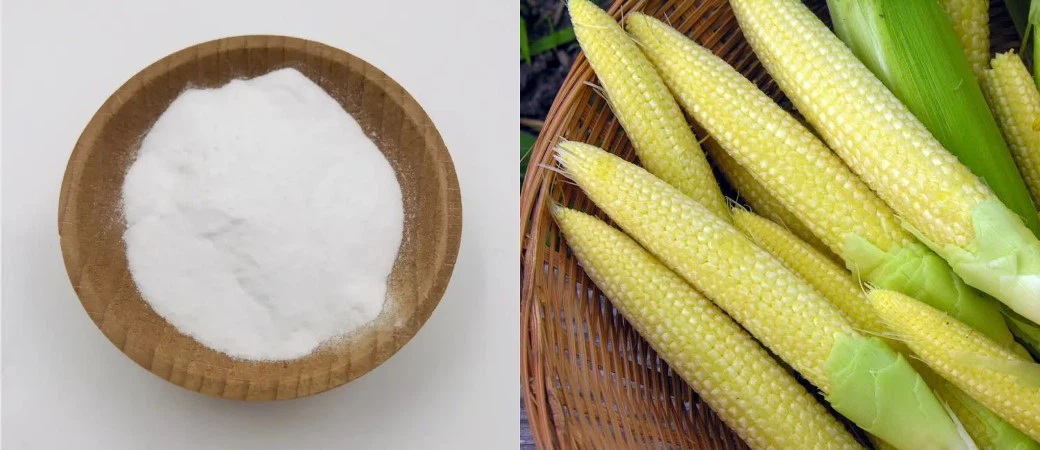
Our XOS is derived from non-GMO corncob xylan through controlled enzymatic hydrolysis. We've chosen this substrate for three strategic reasons:
Agricultural Sustainability: Corncobs represent an abundant agricultural byproduct, transforming waste streams into high-value functional ingredients. Our sourcing partnerships with certified farms ensure traceability from field to finished product.
Purity Advantage: Corncob xylan contains minimal lignin contamination compared to hardwood sources, resulting in cleaner hydrolysis and superior final product purity.
Consistent Supply Chain: Unlike seasonal fruit or vegetable sources, corncob availability remains stable year-round, ensuring uninterrupted supply for your production schedules.
Technical Specifications & Certificate of Analysis
|
Parameter |
Specification |
Test Method |
|
Appearance |
White to off-white powder |
Visual |
|
XOS Content |
≥ 95.0% (Dry Basis) |
HPLC |
|
Xylobiose (X2) |
20-35% |
HPLC |
|
Xylotriose (X3) |
30-45% |
HPLC |
|
Xylo-tetraose & higher (X4-X7) |
20-35% |
HPLC |
|
Moisture |
≤ 5.0% |
Karl Fischer |
|
pH (10% solution) |
4.0-6.0 |
pH meter |
|
Ash |
≤ 0.3% |
Gravimetric |
|
Heavy Metals (as Pb) |
≤ 10 ppm |
ICP-MS |
|
Arsenic (As) |
≤ 1.0 ppm |
ICP-MS |
|
Lead (Pb) |
≤ 0.5 ppm |
ICP-MS |
|
Total Plate Count |
≤ 1,000 cfu/g |
USP 2021 |
|
Yeast & Mold |
≤ 100 cfu/g |
USP 2021 |
|
E. coli |
Negative/10g |
USP 2022 |
|
Salmonella |
Negative/25g |
USP 2022 |
Certifications Available:
FSSC 22000
ISO 9001:2015
Kosher (Orthodox Union)
Halal (IFANCA)
Non-GMO Project Verified
Organic (USDA NOP, EU, JAS upon request)
Manufacturing Excellence: From Substrate to Supplement-Grade XOS
Stage 1: Raw Material Preparation & Sterilization
Corncob material undergoes mechanical grinding to 40-60 mesh, followed by high-temperature steam treatment (121°C, 20 minutes) to eliminate microbial load while preserving xylan integrity.
Stage 2: Enzymatic Hydrolysis
We employ food-grade endo-1,4-β-xylanase under precisely controlled conditions:
* Temperature: 50-55°C
* pH: 5.5-6.0
* Reaction time: 4-6 hours
* Enzyme dosage: Optimized for maximum X2-X7 yield
This enzymatic approach-rather than acid hydrolysis-prevents monosaccharide formation and eliminates toxic byproducts common in chemical processing.
Stage 3: Enzyme Inactivation & Clarification
Rapid heating to 95°C deactivates enzymes, followed by centrifugation and microfiltration (0.45μm) to remove insoluble fiber and protein residues.
Stage 4: Decolorization & Purification
Activated carbon treatment and ion-exchange chromatography remove color bodies and residual minerals, achieving the light color and neutral taste profile required for beverage and dairy applications.
Stage 5: Concentration & Spray Drying
Vacuum evaporation concentrates the XOS solution to 60% solids before spray drying at inlet temperature 180-200°C, producing free-flowing powder with optimal moisture content.
Stage 6: Quality Verification & Packaging
Every batch undergoes 23-point testing before release. Product is packaged in food-grade aluminum foil bags under nitrogen atmosphere to prevent moisture absorption.
Quality Control: Triple-Layer Verification System
Many suppliers conduct only finished product testing. We've implemented intervention points throughout production:
Pre-Production Controls:
* Raw material identity testing via FTIR spectroscopy
* Microbial screening of incoming corncob material
* Enzyme activity verification before each batch
In-Process Monitoring:
* Real-time HPLC sampling during hydrolysis (every 60 minutes)
* pH and temperature data logging with automatic alerts
* Turbidity measurement post-filtration
Final Product Release Testing:
* Complete COA analysis (see specifications above)
* Stability testing under accelerated conditions (40°C/75% RH)
* Prebiotic activity verification via in-vitro fermentation assay
Documentation & Traceability:
Each lot receives a unique batch number linking to complete production records, retained for 5 years. We provide full traceability documentation for regulatory submissions.
Eight Distinctive Advantages for Formulators
1. Superior Bifidogenic Efficiency
Clinical data shows XOS increases Bifidobacteria populations 10-100 fold at 2-3g daily dosage-significantly lower than the 5-10g required for inulin or FOS. This allows more flexible formulation and cost-effective serving sizes.
2. Exceptional Acid & Heat Stability
Xylo oligosaccharide maintains structural integrity at pH 2.5-8.0 and temperatures up to 120°C. Unlike inulin which degrades during pasteurization, XOS survives standard food processing without efficacy loss.
Practical Impact: Ideal for acidic beverages, baked goods, and UHT-processed products where other prebiotics fail.
3. Minimal Effective Dose = Clean Labels
The 1-3g efficacious dose means XOS can deliver prebiotic benefits without dominating your ingredient deck or nutrition panel, leaving room for other functional ingredients.
4. Low Glycemic Response
With a glycemic index below 10, XOS doesn't impact blood sugar levels-a critical advantage for diabetic-friendly and keto-compatible formulations.
5. Reduced Gastrointestinal Discomfort
Comparative studies demonstrate XOS causes significantly less bloating and flatulence than equivalent prebiotic doses of inulin or FOS, improving consumer compliance and repeat purchase rates.
6. Excellent Solubility & Neutral Taste
Dissolves completely in cold water (>70g/100ml) with no grittiness. The neutral, slightly sweet taste (30% sweetness of sucrose) doesn't interfere with product flavor profiles.
7. Synergistic Probiotic Enhancement
When combined with Lactobacillus or Bifidobacterium strains, XOS demonstrates synbiotic effects, improving probiotic survival during shelf storage and enhancing colonization post-consumption.
8. Regulatory Compliance Across Markets
XOS holds GRAS status (GRN 000392) in the United States, Novel Food approval in the EU, and FOSHU ingredient recognition in Japan, streamlining your market entry.
Clinical Evidence & Health Benefits
Digestive Health Foundation
Mechanism of Action:
XOS selectively feeds beneficial bacteria in the colon, particularly Bifidobacterium species. These bacteria ferment XOS into short-chain fatty acids (SCFAs)-primarily acetate and butyrate-which:
* Lower colonic pH, inhibiting pathogenic bacteria
* Strengthen intestinal barrier function
* Modulate immune response via SCFA receptors
* Improve mineral absorption (calcium, magnesium)
Key Clinical Studies:
Study 1: Bifidogenic Effect
A randomized, double-blind trial (n=60) published in Anaerobe (2014) demonstrated that 2.8g daily XOS increased fecal Bifidobacteria from $$1.2 times 10^8$$ to $$8.7 times 10^9$$ CFU/g after 8 weeks-a 72-fold increase.
Study 2: Bowel Regularity
Research in Journal of Functional Foods (2016) showed 3g daily XOS reduced constipation scores by 43% and increased bowel movement frequency from 3.2 to 5.8 per week in elderly subjects.
Immune System Support
Emerging research links XOS consumption to enhanced immune function:
* IgA Production: Increased secretory IgA levels in saliva and intestinal mucosa
* Cytokine Modulation: Reduced pro-inflammatory IL-6 and TNF-α markers
* NK Cell Activity: Enhanced natural killer cell function in elderly populations
Reference: Frontiers in Immunology, 2020
Bone Health & Mineral Absorption
XOS fermentation lowers colonic pH, increasing calcium and magnesium solubility. A 12-month study in postmenopausal women showed 3g daily XOS improved bone mineral density by 2.1% compared to placebo.
Reference: Osteoporosis International, 2017
Weight Management Potential
Preliminary evidence suggests Xylo oligosaccharide may support healthy weight through:
* Increased satiety hormone (GLP-1) secretion
* Reduced caloric absorption via altered gut microbiota
* Improved fat metabolism markers
Note: More research needed for definitive claims
Application Scenarios: Solving Real Formulation Challenges
Case Study 1: Probiotic Beverage Manufacturer (Europe)
Challenge: Client needed a prebiotic for a 250ml ready-to-drink probiotic beverage with pH 3.8 and 6-month ambient shelf life. Inulin caused cloudiness and sedimentation.
Solution: We recommended XOS at 2g per serving. The ingredient:
* Remained completely soluble throughout shelf life
* Survived pasteurization (72°C, 15 seconds) without degradation
* Enhanced probiotic survival from 45% to 78% at end of shelf life
* Added only 8 kcal per serving
Result: Product launched in 6 EU markets, achieving 23% repeat purchase rate within first quarter.
Case Study 2: Protein Bar Manufacturer (North America)
Challenge: Formulator wanted to add prebiotic benefits to a keto-friendly protein bar without increasing net carbs or causing digestive distress common with sugar alcohols.
Solution: XOS at 3g per 60g bar provided:
* Prebiotic claim support without impacting net carb calculation
* Heat stability during baking (175°C, 12 minutes)
* No cooling effect or laxative properties of polyols
* Slight sweetness reducing need for stevia
Result: Consumer testing showed 31% lower GI discomfort complaints versus competitor bars using chicory root fiber.
Case Study 3: Infant Formula Additive (Asia-Pacific)
Challenge: Formula manufacturer sought a prebiotic mimicking human milk oligosaccharides (HMOs) to support infant microbiome development.
Solution: XOS at 0.5g per 100ml formula offered:
* Bifidogenic effect similar to breast milk
* Excellent solubility in reconstituted formula
* Stability during spray drying and storage
* Regulatory acceptance in target markets
Result: Clinical trial showed formula-fed infants had Bifidobacteria levels approaching breastfed infants after 8 weeks.
Recommended Applications by Industry
Dietary Supplements:
* Prebiotic capsules/tablets (500mg-1g per serving)
* Synbiotic formulations with probiotics
* Digestive health powders
* Fiber supplement blends
Functional Foods:
* Yogurt and fermented dairy (0.5-1%)
* Nutrition bars and baked goods (2-5%)
* Breakfast cereals and granola (1-3%)
* Meal replacement shakes (2-3g per serving)
Beverages:
* Probiotic drinks and kombucha
* Functional water and sports drinks
* Coffee and tea beverages
* Juice fortification
Clinical Nutrition:
* Enteral feeding formulas
* Medical foods for IBS/IBD
* Diabetic-specific products
* Elderly nutrition supplements
Pet Nutrition:
* Premium dog and cat foods
* Digestive health treats
* Probiotic pet supplements
Packaging & Delivery
Standard Configuration:
Inner: Food-grade PE bag with nitrogen flush
Outer: Aluminum foil laminated bag with zip-lock
Net weight: 25kg per bag
Dimensions: 60cm × 45cm × 12cm
Bulk Options for High-Volume Buyers:
500kg fiber drums with double PE liner
1000kg super sacks (FIBC) with food-grade liner
Custom packaging available (MOQ applies)

Certificate
JOYWIN own a number of invention patents and certifications including NOP/JAS, BRC, FSSC, cGMP, Kosher, HALAL, ISO9001, ISO14001, ISO22000, etc.

FAQ
Q: What's the difference between XOS 70% and XOS 95%?
A: The percentage refers to total xylo-oligosaccharide content. XOS 95% contains ≥95% oligosaccharides (X2-X7) with minimal monosaccharides and disaccharides, making it suitable for premium supplements and clinical applications. XOS 70% contains 70-75% oligosaccharides with some xylose and is more cost-effective for food applications where ultra-high purity isn't required. We recommend XOS 95% for most B2B clients seeking maximum efficacy and clean label appeal.
Q: How do you ensure consistent DP (degree of polymerization) distribution between batches?
A: We control DP distribution through precise enzymatic hydrolysis parameters-temperature, pH, enzyme concentration, and reaction time are monitored in real-time. Each batch undergoes HPLC analysis to verify the X2/X3/X4+ ratio falls within specification ranges. Our process capability index (Cpk) for DP distribution exceeds 1.67, indicating excellent consistency.
Q: Is your XOS tested for glyphosate residues?
A: Yes. While our corncob source is non-GMO, we recognize concerns about herbicide residues. Every production lot is tested via LC-MS/MS for glyphosate, with detection limits of 0.01 ppm. Our results consistently show <0.01 ppm (below detection limit). Documentation available upon request.
Q: Can I use XOS in products marketed in the EU?
A: Yes. Xylo-oligosaccharide is approved under EU Regulation 2015/2283 as a novel food ingredient. We provide all necessary documentation for your Novel Food compliance, including specification sheets and safety data. Note that health claims require separate EFSA authorization.
Q: What prebiotic claims can I make with XOS in the United States?
A: Under FDA regulations, you can make structure/function claims such as "supports digestive health" or "promotes beneficial gut bacteria" without pre-approval, provided you include the disclaimer "This statement has not been evaluated by the FDA..." For qualified health claims, consult with your regulatory team. We can provide clinical study summaries to support your claim substantiation.
Q: Do you provide Prop 65 compliance documentation for California?
A: Yes. Our XOS is tested for all Prop 65-listed heavy metals and contaminants. We provide a Prop 65 compliance letter stating the product does not require warning labels under California law.
Q: Will XOS survive the baking process in cookies or bread?
A: Absolutely. XOS is stable at temperatures up to 200°C for typical baking durations (10-20 minutes). Unlike inulin which can undergo Maillard reactions and color development, XOS maintains its prebiotic activity and doesn't contribute to excessive browning. We recommend adding XOS during dry ingredient mixing for uniform distribution.
Q: Does XOS interact with calcium or other minerals in fortified products?
A: XOS does not chelate or bind minerals in a way that reduces bioavailability. In fact, research shows XOS enhances calcium and magnesium absorption by lowering colonic pH and increasing solubility. This makes it an excellent companion ingredient for bone health formulations.
Q: What's the recommended dosage for synbiotic products combining XOS with probiotics?
A: Clinical evidence supports 1-3g XOS daily for prebiotic effects. For synbiotic formulations, we typically recommend a 1:1 to 3:1 ratio of XOS (mg) to probiotic CFU (billions). For example, a product with 10 billion CFU might contain 1-3g XOS. This ratio provides sufficient prebiotic substrate without overfeeding and causing gas.
Q: Can Xylo oligosaccharide replace sugar in formulations for sweetness?
A: XOS provides approximately 30% the sweetness of sucrose, so it offers mild sweetness but shouldn't be considered a primary sweetener. It works well in combination with stevia or monk fruit to provide body and mask aftertaste. The advantage is XOS contributes functional benefits beyond sweetness.
Q: What's your minimum order quantity?
A: Our standard MOQ is 500kg for stock specifications (XOS 95%). For custom specifications or private label packaging, MOQ is typically 1,000kg. We understand smaller brands may need trial quantities-contact us to discuss sample sizes (5-10kg) for initial formulation work.
Q: Do you offer exclusivity agreements for specific markets?
A: For qualified partners committing to significant annual volumes (typically >20MT), we can discuss territorial exclusivity arrangements. These agreements protect your market investment while ensuring our production capacity is efficiently utilized. Terms are negotiated case-by-case.
Q: What payment terms do you offer for new customers?
A: New customers typically start with 30% deposit and 70% balance before shipment (T/T). After establishing a track record (usually 3-5 successful orders), we can discuss NET 30 or NET 60 terms for creditworthy buyers. LC at sight is also accepted.
Q: Can you provide small samples for R&D testing?
A: Yes. We provide 100-500g complimentary samples for qualified B2B buyers with legitimate formulation needs. Simply contact our technical sales team with your company information and intended application. Samples ship within 2-3 business days via DHL/FedEx.
Q: Do you offer formulation support for product development?
A: Absolutely. Our technical team includes food scientists with experience across multiple applications. We can provide:
Q:Where & how can I place an order?
A:You can click the inquiry on Xylo oligosaccharide or send us an e-mail to contact@joywinworld.com.
Hot Tags: xylo oligosaccharide, manufacturers, suppliers, factory, wholesale, buy, price, bulk, high quality, for sale, free sample