

For the health-conscious consumer, the list of supplements can seem endless. Among the trending superstars of the last decade, Organic Inulin Powder has surely earned its place. But not all inulin is created equal. A hot topic in the health and wellness sphere is the debate between organic inulin and its non-organic counterpart. Both are touted for their prebiotic properties and potential health benefits, but which form should you choose? This detailed comparison will help you make a well-informed decision.
What is Inulin?
Before diving into the differentiation between the two types, let's understand what inulin is and why it's making waves. Inulin is a type of dietary fiber found in a variety of fruits, vegetables, and herbs. It's commonly extracted from chicory root, a natural storehouse of inulin. Scientifically, inulin falls under the category of fructans, which are chains of fructose molecules.
When ingested, inulin bypasses digestion in the small intestine, making its way to the colon where it ferments and becomes fodder for beneficial gut bacteria, known as probiotics. This symbiotic relationship contributes to gastrointestinal health and overall well-being.
Organic Inulin Powder
Organic inulin is a type of inulin produced using organic ingredients and methods compliant with organic farming regulations. The strictures around organic inulin production ensure that the final product is free from synthetic additives and harmful chemicals. This provides an added layer of assurance to the consumer about the purity of the inulin.
● What Sets Organic Inulin Apart?
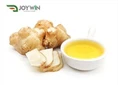
Organic Inulin is derived from sustainably grown organic Jerusalem Artichoke Roots. The cultivation process of these roots is pesticide-free and follows the stringent guidelines of organic certification. The product of this conscientious farming is an inulin supplement that not only supports your health but also embodies ethical and sustainable practices.

● The Benefits of Going Organic
Choosing organic inulin means choosing a product that is free from potentially harmful residues and has a lower environmental impact. The natural, unadulterated form of organic inulin is more likely to maintain the integrity of its nutritional value and actively support the health of the consumer, as well as the health of the planet.
● Certification and Quality Standards
The rigorous standards for organic certification ensure that organic inulin is cultivated, harvested, and processed in a sustainable manner while maintaining the potency of its beneficial components. Look for seals of certification such as USDA Organic or the European Organic Certification when purchasing organic inulin.
Ordinary Inulin: The Conventional Alternative
Ordinary inulin, also called non-organic inulin, is the traditional form of inulin that may be grown using conventional farming methods. This inulin is more accessible and less expensive than its organic counterpart, which can make it appealing to those on a budget.
● The Production Process
Grown in conventional farms, ordinary inulin may be subject to the use of synthetic pesticides and fertilizers. The processing could potentially involve the use of additives or preservatives, and the final product might not be as pure as organic inulin.
● Drawbacks to Consider
The use of synthetic chemicals in the production of ordinary inulin raises concerns about the residues that end up in the final product. Additionally, there is a possibility that the nutritional content or bioavailability of the inulin in its conventional form may be compromised compared to organic inulin.
● Availability and Cost
One of the primary advantages of ordinary inulin is its wide availability and affordable pricing. For those unable to access or purchase organic inulin, the non-organic form still offers the benefits associated with inulin, albeit with some trade-offs.
Comparison of Organic and Ordinary Inulin
1. Price
● Organic Inulin powder: Generally more expensive. The higher cost is due to the organic farming practices used in its production. Organic farming avoids synthetic fertilizers, pesticides, and herbicides, which increases the production costs and, consequently, the price of the final product.
● Ordinary Inulin: Typically less expensive. The production process for ordinary inulin allows the use of synthetic chemicals and fertilizers, which reduces production costs and, thus, lowers the price of the product.
2. Quality
● Organic Inulin: Often considered to have higher quality. The production adheres to organic standards, which means the inulin is derived from plants grown without synthetic chemicals. This can lead to a purer product with fewer contaminants. The organic certification also implies strict quality control throughout the production process.
● Ordinary Inulin: Quality can vary. While the production may be efficient and cost-effective, the use of synthetic chemicals and fertilizers in growing the source plants can lead to potential residues in the final product. However, quality control measures are in place to ensure safety and efficacy.
3. Certification
● Organic Inulin: Requires organic certification, such as USDA Organic in the United States or EU Organic in Europe. These certifications ensure that the inulin is produced according to organic farming standards, including non-use of synthetic chemicals and adherence to sustainable farming practices.
● Ordinary Inulin: Generally does not require organic certification. It may have other certifications related to food safety (such as ISO or HACCP), but these do not specifically address organic practices.
4. Environmental Impact
● Organic Inulin: Has a lower environmental impact. Organic farming emphasizes sustainability, including soil health and biodiversity. It avoids synthetic chemicals that can pollute the soil and water. Organic farming practices often lead to better long-term soil health and reduced environmental footprint.
● Ordinary Inulin: May have a higher environmental impact. The use of synthetic chemicals and fertilizers in conventional farming can lead to soil degradation and water pollution. The environmental footprint of conventional farming practices is generally higher compared to organic methods.
5. Nutritional Value
● Organic Inulin: Might be perceived to have higher nutritional value, although scientific evidence on differences in nutritional content between organic and non-organic inulin is limited. The absence of synthetic chemicals in organic farming could potentially mean a cleaner product, though the core nutritional properties of inulin itself are likely similar.
● Ordinary Inulin: Nutritional content is generally consistent with that of organic inulin, as inulin itself is a prebiotic fiber with similar benefits regardless of the farming method. However, the presence of chemical residues from farming practices may impact the overall perception of its quality.
In summary, Organic Inulin tends to be more expensive but is valued for its adherence to organic farming standards, potentially higher quality, and lower environmental impact. Ordinary Inulin is typically more affordable and widely available but may be subject to the use of synthetic chemicals and has a higher environmental footprint. The choice between the two often depends on individual preferences regarding organic certification, budget, and environmental considerations.
Conclusion: Which Inulin is Right for You?
When making the choice between Organic Inulin Powder and ordinary inulin, practical considerations such as cost, availability, and specific health goals play a significant role. While organic inulin is superior in many aspects, the decision ultimately depends on individual preferences and circumstances.
The choice between organic and ordinary inulin depends on your personal values and health priorities. If you prioritize purity, sustainability, and are willing to pay a little extra, organic inulin is likely the better choice for you. However, if budget and accessibility are your main concerns and you are comfortable with the potential trade-offs, an ordinary inulin product might suit your needs. For either type of inulin, it's important to purchase from reputable brands that offer transparent information about the sourcing and production of their products. Ultimately, the best inulin is the one that aligns with your lifestyle and goals for well-being.
JOYWIN, founded in 2013, is the world's largest organic inulin and Jerusalem artichoke inulin manufacturer. We supply products with high quality, strict quality control, and independent testing to guarantee the high specification of our products. Holding inulin workshops, plant protease workshops, and warehouses also own cutting-edge facilities and strict quality control systems. As leading inulin manufacturers in China, we are FSSC22000, ISO9001, ISO14001, ISO22000, BRC, and Cgmp-certified factory. If you want to know more about Organic Inulin Powder or are interested in purchasing it, you can send an email to contact@joywinworld.com. We will reply to you as soon as possible after we see the message.